Farsha Ergein Farayed
23.6333°N 35.8875°E · reef
Farsha Ergein Farayed is a coral reef dive site in the southern Egyptian Red Sea, lying within the remote offshore waters of the Brothers–Daedalus corridor southeast of Marsa Alam.
Overview
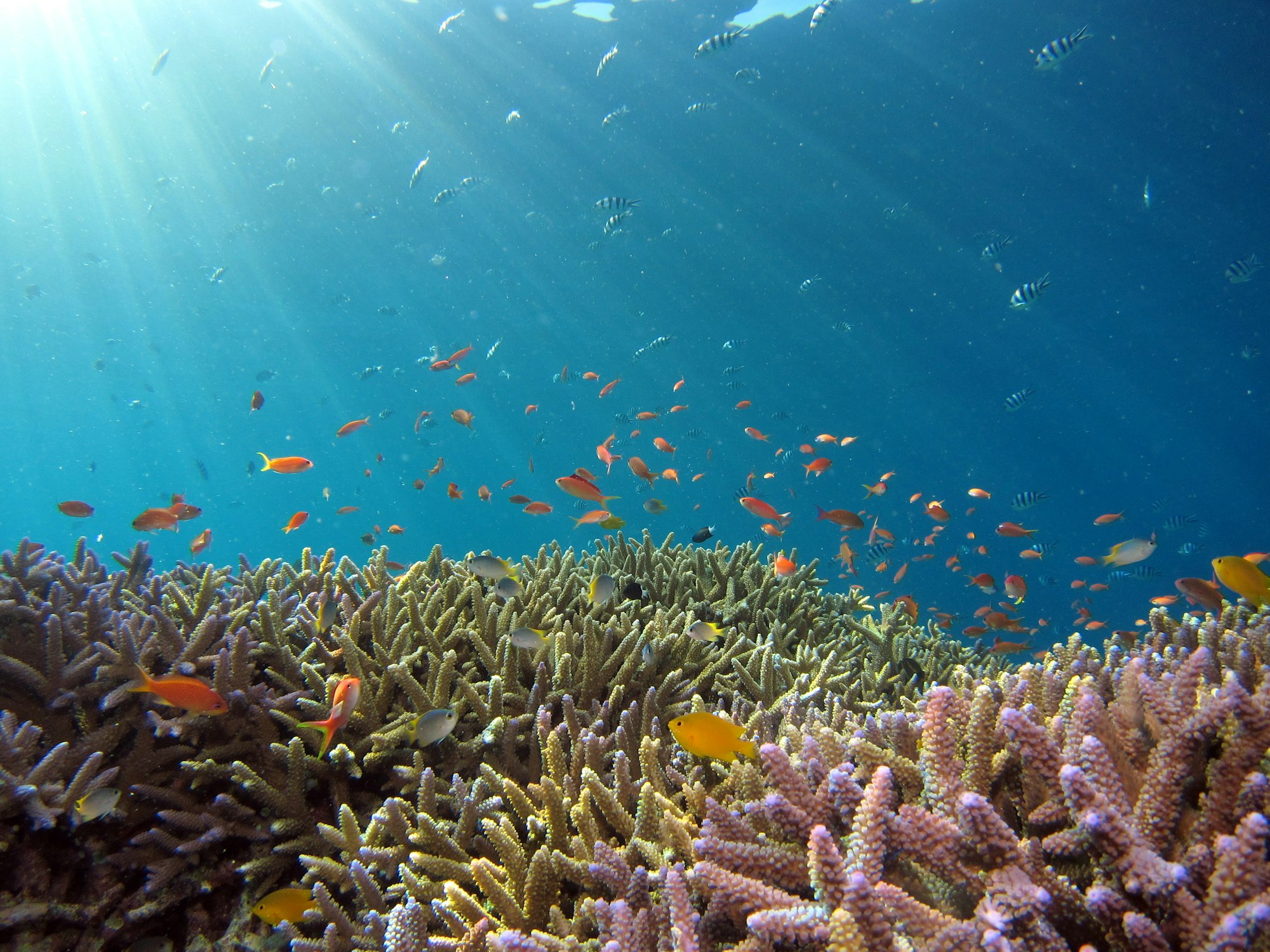
Farsha Ergein Farayed is a shallow-to-mid-depth reef rising from deeper water in an area seldom reached by day boats. The Arabic word “farsha” denotes a broad, flat reef platform, and this site lives up to the name: a wide table of hard coral at 5–10 meters gives way to sloping walls and coral gardens descending to around 25 meters. Because the site sits away from the busier tourist centres, coral coverage remains high, with large plate corals, branching Acropora and robust coral heads colouring the plateau. Visibility routinely stretches 20–30 metres in the clear offshore water, and the absence of heavy boat traffic means the marine community has stayed largely undisturbed.
Site Information
- Location: Southern Egyptian Red Sea, offshore from Marsa Alam
- Entry Type: Boat dive
- Site Type: Reef
- Difficulty Level: Intermediate
- Maximum Depth: 25 meters
- Typical Visibility: 20–30 meters
- Current: Moderate; can strengthen around the reef edges
- Best Time: October to May
Marine Life
The flat reef top supports dense schools of glassfish and anthias hovering above the coral, drawing in big-eye trevally and small reef sharks patrolling the edges. humphead wrasse cruise the coral gardens, and it is not unusual to spot a resting turtle on the plateau. Giant moray eels occupy the larger coral heads, while lionfish and scorpionfish lurk at the base of the slope. Spotted eagle rays pass through on the current, and occasional oceanic whitetip sharks have been reported in the blue water off the reef wall.
Dive Profile
Begin on the reef plateau at 5–8 meters, drifting along the hard-coral garden and noting the coral diversity on the flat top. Drop down the outer slope to 18–25 meters to look for larger reef fish and passing pelagics, then work back up the slope and finish the dive on the shallow plateau for the safety stop. Allow at least 50 bar reserve for the ascent, as currents along the outer edge can require more effort than expected.
Entry and Exit
Access is by liveaboard or day-charter boat from Marsa Alam or Port Ghalib. Entry is by giant stride from the dive deck. Ascend on the reef side sheltered from the prevailing current and deploy an SMB before surfacing to signal the pick-up boat.
Tips and Recommendations
- Dive the reef edge early in the morning when currents are lighter and light angles are best for photography
- The reef plateau is excellent for a relaxed second or third dive of the day
- Check with the liveaboard crew about current direction before descending — the strongest flow often wraps around the northern end
- Keep a close eye on depth on the outer wall, as the slope is gradual and it is easy to drift deeper than planned
- Bring a wide-angle lens for school fish and a macro lens for nudibranchs in the coral rubble at 20 metres
Safety Considerations
Currents can accelerate unexpectedly around the reef edges, particularly on the ebb tide. Always carry an SMB and deploy it before surfacing in open water. The remote location means assistance is not immediately available, so do not push no-decompression limits. Fire coral is present on the reef top — gloves are recommended but avoid touching the coral.
Photography
The healthy hard-coral plateau provides wide-angle compositions framed against the intense blue water on the drop-off. The shallower sections photograph well in natural light throughout the morning. Look for macro subjects — nudibranchs, flatworms and blennies — tucked into the coral rubble zone at the base of the slope.
Sources: Divezone - Red Sea, Dive the World - Egypt Red Sea, Red Sea Scuba Diving, PADI - Diving in Egypt. Last updated 2026-04-04.
Sea-surface temperature and wave height from Open-Meteo Marine (ERA5 reanalysis, monthly averages).
7 verified species observations (4 species) logged within ~11 km of this site between 2012 and 2012, from the Ocean Biodiversity Information System.
- Tursiops truncatus · Common bottlenose dolphin
- Stenella longirostris · Spinner dolphin
- Pseudorca crassidens · False killer whale
- Stenella attenuata · Pantropical spotted dolphin
Scientific survey records skew toward sampled taxa (molluscs, corals) and do not reflect what you are guaranteed to see on a dive.
Source: OBIS (obis.org), aggregated Darwin Core occurrence records.
Conditions change with the tide and the season. If you have dived this site, share what it was actually like — date, visibility, current, and what you saw. Real, recent reports from divers are exactly what this guide is built to collect.
Send a conditions report ›