Flamenco Hausriff
26.1653°N 34.2456°E · reef
Flamenco Hausriff is the house reef of the Flamenco Beach & Resort area near Safaga on the northern Egyptian Red Sea coast, offering convenient, sheltered diving directly off the shoreline.
Overview
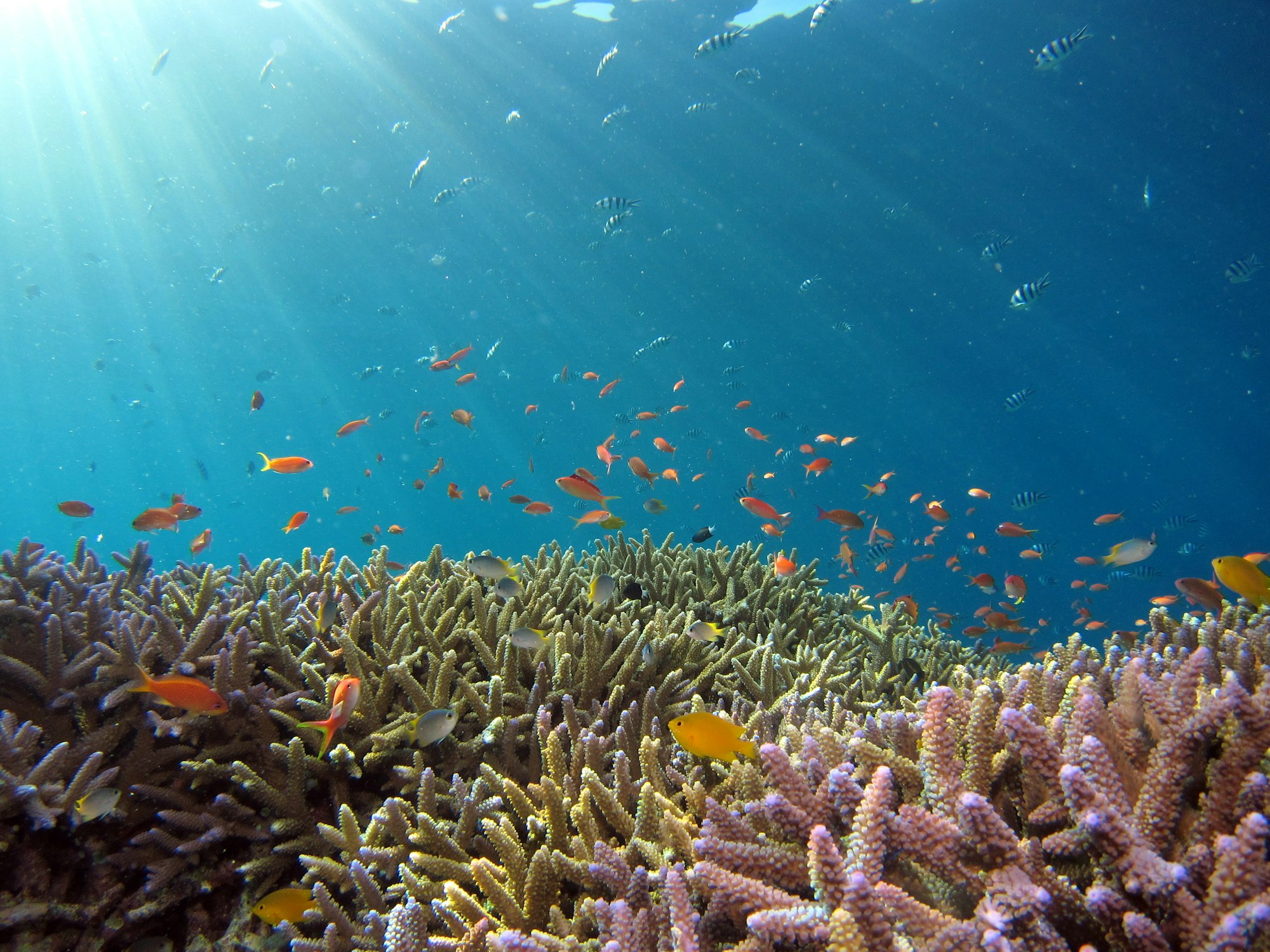
“Hausriff” is the German word for “house reef,” reflecting the site’s origins as the preferred training and leisure reef of the German-speaking dive clientele who have frequented Safaga since the 1980s. The reef runs parallel to the shore at a manageable depth of 3–20 meters, with a sandy bottom giving way to a gently sloping coral garden. Staghorn and brain corals dominate the shallower sections, while sea fans and soft corals drape the steeper parts of the slope at depth. Although less dramatic than Safaga’s offshore reefs such as Panorama and the Middle Garden, Flamenco Hausriff rewards unhurried divers with excellent macro life and the kind of relaxed conditions ideal for skills practice or night diving.
Site Information
- Location: Safaga, northern Egyptian Red Sea coast
- Entry Type: Boat dive
- Site Type: Reef
- Difficulty Level: Intermediate
- Maximum Depth: 20 meters
- Typical Visibility: 15–25 meters
- Current: Generally mild; occasional surge near the reef crest
- Best Time: Year-round; October to May for optimal conditions
Marine Life
The soft-coral sections host numerous nudibranchs, flatworms, and ornate ghost pipefish — making it one of the better macro sites in the Safaga area. Blue-spotted stingrays rest on sandy patches between the coral heads. Anthias and glassfish swarm above the reef in impressive clouds, and humphead wrasse visit regularly. Reef octopuses are commonly found at night, along with sleeping parrotfish and hunting lionfish. Hawksbill turtles graze the sea grass areas at the reef’s sandy edges.
Dive Profile
Enter from the boat or shore and navigate directly onto the reef crest at 3–5 meters. Follow the slope outward and downward to 15–20 meters, spending the majority of bottom time in the 8–15 meter range where coral diversity peaks. Night dives on this reef are particularly rewarding — the sandy bottom comes alive with crabs, shells, and hunting octopus.
Entry and Exit
Day-boat access from Safaga or directly from the resort jetty. Shore entries are possible from the beach in calm conditions. Exit back to the boat using an SMB, or return to the shore entry point using the reef crest as a navigation guide.
Tips and Recommendations
- Excellent for night dives — book with your liveaboard or resort dive centre for a guided evening dive
- Macro photographers should bring a dioptre lens for nudibranchs and ghost pipefish
- The shallow reef crest doubles as an excellent snorkelling area
- Visit in the early morning for the clearest visibility before sediment is disturbed by boat traffic
- A refresher dive here before heading to Safaga’s offshore reefs is strongly recommended
Safety Considerations
Currents are generally mild but can pick up along the outer slope. Boat traffic in the resort area can be heavy; always ascend with an SMB deployed. Be cautious of fire coral on the reef crest. Stonefish have been reported in the sandy rubble zones — shuffle your feet when wading in shallow areas.
Photography
The soft-coral sections between 10 and 18 meters offer superb macro subjects. Wide-angle is less rewarding here than at Safaga’s offshore reefs, but fish portraits and reef scenes photograph well throughout the dive. Night photography is particularly productive on the sandy areas adjacent to the reef.
Sources: Divezone - Red Sea, Dive the World - Egypt Red Sea, Red Sea Scuba Diving, PADI - Diving in Egypt. Last updated 2026-04-04.
Sea-surface temperature and wave height from Open-Meteo Marine (ERA5 reanalysis, monthly averages).
531 verified species observations (366 species) logged within ~11 km of this site between 1962 and 2025, from the Ocean Biodiversity Information System.
- Haliophis guttatus
- Bathygobius fuscus
- Eviota prasina
- Istiblennius rivulatus
- Thalassoma rueppellii
- Plectroglyphidodon
- Stethojulis albovittata
- Cirrhitidae
- Halichoeres marginatus
- Lutjanus ehrenbergii
- Pterois radiata
- Aphanius
Scientific survey records skew toward sampled taxa (molluscs, corals) and do not reflect what you are guaranteed to see on a dive.
Source: OBIS (obis.org), aggregated Darwin Core occurrence records.
Conditions change with the tide and the season. If you have dived this site, share what it was actually like — date, visibility, current, and what you saw. Real, recent reports from divers are exactly what this guide is built to collect.
Send a conditions report ›