Garden Reef
22.3692°N 38.8928°E · reef
Garden Reef is a coral reef dive site in the southern Egyptian Red Sea near the Saudi Arabian border, in the lightly visited offshore waters south of Wadi Lahami.
Overview
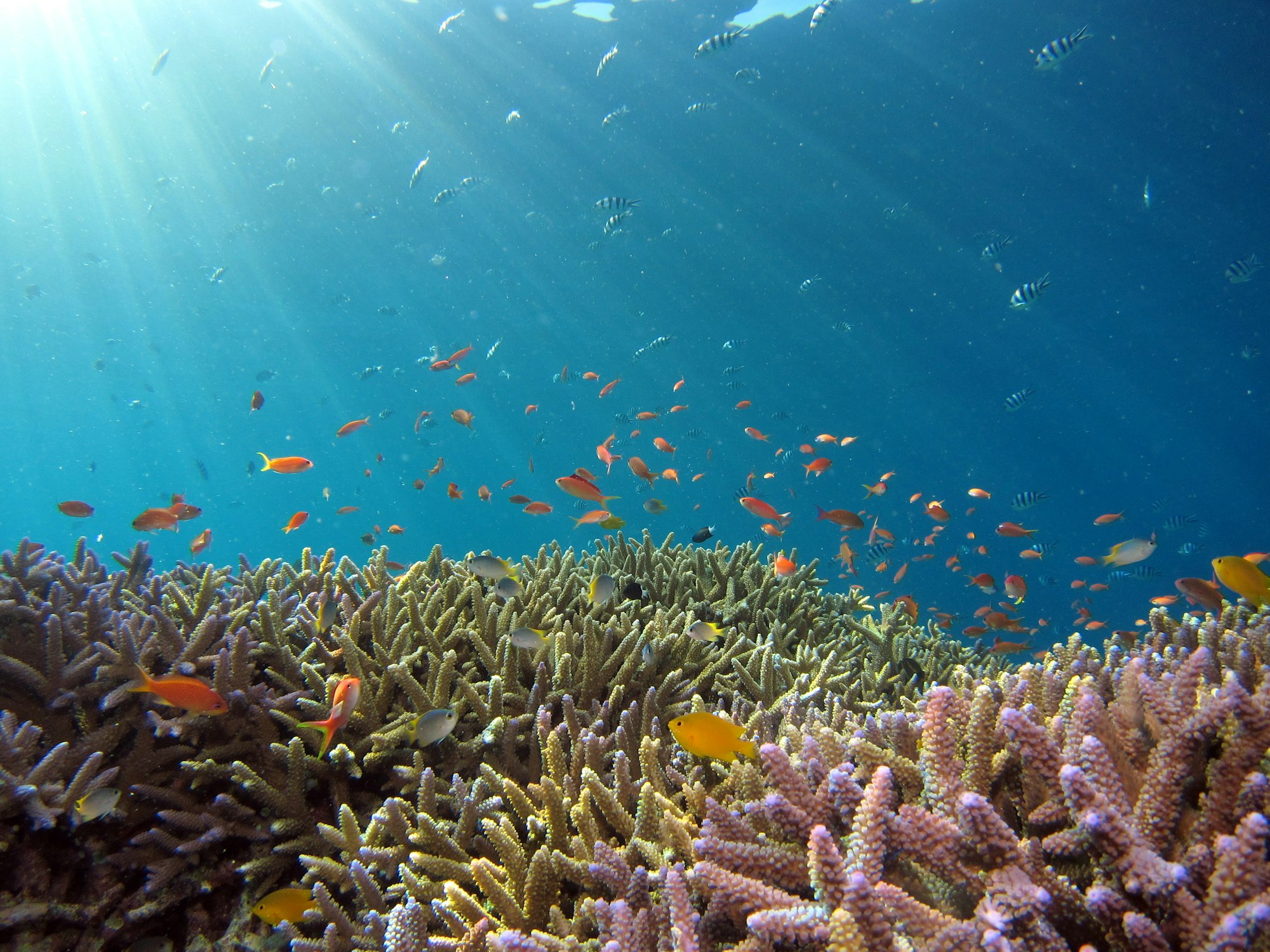
True to its name, Garden Reef presents one of the most pristine coral gardens in the far south of the Egyptian Red Sea. Situated well away from major tourist hubs, the reef receives minimal diving pressure and shows it: the coral cover is exceptional, with dense stands of staghorn Acropora, table corals, and massive brain corals carpeting the reef top and upper slope. The site is typically encountered on extended liveaboard itineraries that venture into the rarely-dived southern sector. Depths range from the shallow reef crest at 2–3 meters to a sandy slope bottom at around 20 meters, giving a comfortable range for extended exploration.
Site Information
- Location: Far southern Egyptian Red Sea, offshore south of Wadi Lahami
- Entry Type: Boat dive
- Site Type: Reef
- Difficulty Level: Intermediate
- Maximum Depth: 20 meters
- Typical Visibility: 25–35 meters
- Current: Variable; generally moderate
- Best Time: October to May
Marine Life
The pristine coral coverage supports an unusually dense fish population. Schools of blue-lined snapper and fusiliers swarm above the reef in shimmering masses, while large humphead wrasse patrol the reef edge. The reef attracts regular visits from hammerhead sharks during winter months. Hawksbill and green turtles are numerous — it is not unusual to encounter three or four on a single dive. Eagle rays and spotted eagle rays cruise the sandy margins. Resident giant morays, lionfish, and scorpionfish occupy the coral heads, and cleaner stations attract parrotfish and surgeonfish queuing for service.
Dive Profile
Descend to the sandy floor and work back up the sloping reef. Spend the majority of bottom time in the 8–18 meter zone where coral is at its densest. Allow time on the reef flat in the final phase of the dive to observe the turtles and schooling fish before the safety stop. The shallow reef top is well worth lingering over due to its dense, undamaged coral coverage.
Entry and Exit
Access is exclusively by liveaboard from Marsa Alam, Port Ghalib, or Wadi Lahami. Entry by giant stride. Ascend on the reef’s sheltered side and deploy an SMB for the pickup boat. The remote location means careful gas management is essential.
Tips and Recommendations
- Bring two camera rigs if possible — both wide-angle and macro are highly productive here
- Early morning dives are recommended for the calmest conditions and best light
- Drift along the reef top slowly — the quality of the coral repays unhurried observation
- Winter liveaboards (December–February) offer the best chance of hammerhead sightings
- The shallows are ideal for a post-dive snorkel if conditions permit
Safety Considerations
The remote location means no rescue resources are close by. Conservative diving practices are essential. Gas planning should include a generous reserve for the ascent and safety stop. Currents can be unpredictable in this offshore environment. Always surface with an SMB deployed and coordinate closely with the liveaboard crew.
Photography
Exceptional wide-angle conditions: crystal-clear water, dense schooling fish, turtle encounters, and vibrant hard-coral structures. The reef top photographs beautifully in natural afternoon light angled from the west. Macro subjects including ornate ghost pipefish, nudibranchs, and longnose hawkfish are present in the undisturbed coral rubble.
Sources: Divezone - Red Sea, Dive the World - Egypt Red Sea, Red Sea Scuba Diving, PADI - Diving in Egypt. Last updated 2026-04-04.
Sea-surface temperature and wave height from Open-Meteo Marine (ERA5 reanalysis, monthly averages).
1445 verified species observations (328 species) logged within ~11 km of this site between 2011 and 2020, from the Ocean Biodiversity Information System.
- Gobiidae
- Dascyllus trimaculatus
- Eviota
- Pycnochromis dimidiatus
- Genicanthus caudovittatus
- Epinephelus summana
- Variola louti
- Pseudocheilinus hexataenia
- Sargocentron caudimaculatum
- Canthigaster pygmaea
- Muraenidae
- Serranidae
Scientific survey records skew toward sampled taxa (molluscs, corals) and do not reflect what you are guaranteed to see on a dive.
Source: OBIS (obis.org), aggregated Darwin Core occurrence records.
Conditions change with the tide and the season. If you have dived this site, share what it was actually like — date, visibility, current, and what you saw. Real, recent reports from divers are exactly what this guide is built to collect.
Send a conditions report ›