Gorgon 1
29.4262°N 34.9721°E · reef
Gorgon 1 is a coral reef dive site in the northern Gulf of Aqaba near the Israeli–Egyptian border, in the waters off Taba in Egypt’s far northeast Sinai.
Overview
The far northern Gulf of Aqaba is characterised by crystal-clear, exceptionally deep water with abrupt reef drop-offs typical of the rift-formed Gulf. Gorgon 1 sits in this environment, named for the large gorgonian sea fans that adorn the reef wall at depth. The site offers a sloping reef with coral gardens in the shallows transitioning to a steeper section below 12 meters where gorgonian fans reach significant size. The relative remoteness from the main Sharm el-Sheikh and Dahab hubs means the reef remains in good condition. This section of the Red Sea has some of the highest temperature variation, with winter water temperatures dropping to around 20°C compared to the warmer south.
Site Information
- Location: Northern Gulf of Aqaba, Taba area, northeastern Sinai, Egypt
- Entry Type: Boat dive
- Site Type: Reef
- Difficulty Level: Intermediate
- Maximum Depth: 20 meters
- Typical Visibility: 20–35 meters
- Current: Mild to moderate in the Gulf of Aqaba
- Best Time: April to November (winter months can be cold)
Marine Life
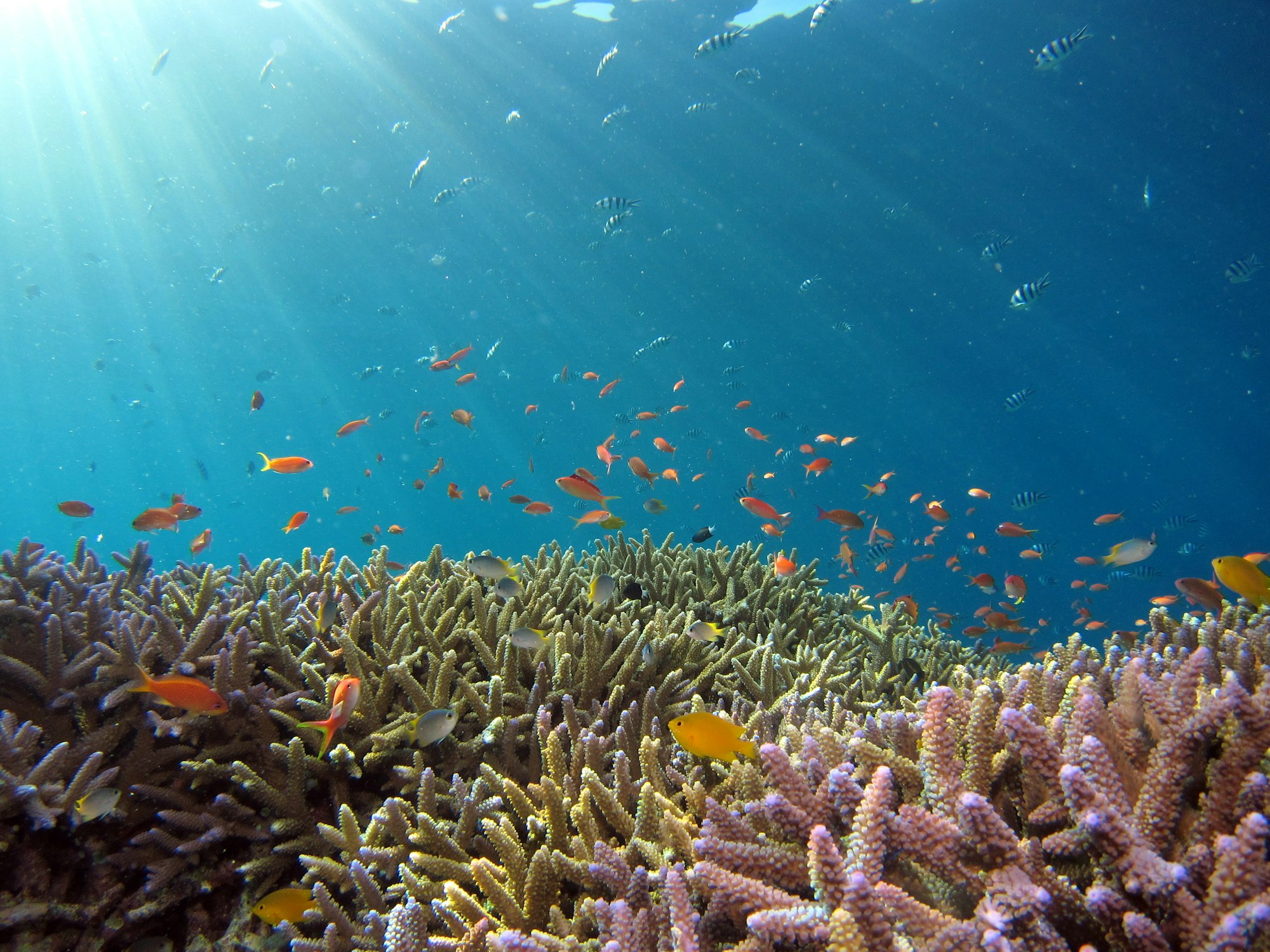
Large gorgonian sea fans — some exceeding a metre in diameter — dominate the reef below 12 meters and are the defining feature of the dive. Longnose hawkfish perch on the fan branches and are cooperative photographic subjects. The reef fish community includes anthias, surgeonfish, butterflyfish, and parrotfish in good numbers. humphead wrasse appear regularly, and the deeper sections of the wall attract the occasional grey reef shark. Moray eels and lionfish are present in the reef crevices. Triggerfish are territorial on the reef flat.
Dive Profile
Descend quickly to the deeper sections at 15–20 meters to view the large gorgonian fans before gas limits reduce your time at depth. Work slowly up the wall, noting the transition from fan corals at depth to hard coral gardens in the shallower zone. The reef top at 5–8 meters provides a good final section before the safety stop. Plan your dive to spend the most time in the 10–18 meter zone where the fans are most numerous.
Entry and Exit
Day-boat access from Taba or Nuweiba operators. Entry by giant stride. The Gulf of Aqaba is calm enough most of the year for comfortable boat operations. Deploy an SMB before ascending for the boat pickup.
Tips and Recommendations
- A torch is useful for looking behind the gorgonian fans for hawkfish and resident shrimps
- The clear Gulf of Aqaba water makes natural-light photography viable to 18 meters on bright days
- Bring a wetsuit of at least 5mm in winter — water temperatures can drop to 20°C
- The site is best combined with other Taba-area dives such as Coral Island for a varied day trip
- The fans are delicate — maintain scrupulous buoyancy control and never touch them
Safety Considerations
The Gulf of Aqaba is generally calmer than the open Red Sea, but the steep walls drop to great depth quickly. Maintain depth awareness at all times. Boat traffic near Taba and Aqaba is present year-round. Deploy an SMB before any open-water ascent. Never touch or damage the gorgonian fans — they are extremely slow-growing and protected within Egyptian national park boundaries.
Photography
The gorgonian fans are the star subjects, ideally photographed with a wide-angle lens capturing the full fan with a diver for scale. Longnose hawkfish on the fan branches are excellent macro targets. The deep clear water provides a rich blue background. Afternoon light angles work well for this north-facing reef.
Sources: Divezone - Red Sea, Dive the World - Egypt Red Sea, Red Sea Scuba Diving, PADI - Diving in Egypt. Last updated 2026-04-04.
Sea-surface temperature and wave height from Open-Meteo Marine (ERA5 reanalysis, monthly averages).
31299 verified species observations (93 species) logged within ~11 km of this site between 1999 and 2019, from the Ocean Biodiversity Information System.
- Siganus rivulatus · marbled spinefoot
- Grampus griseus · Risso's dolphin
- Pyura mirabilis
- Ascidiacea
- Repomucenus olidus
- Alectrias benjamini
- Scorpaenopsis cirrosa
- Diplacanthopoma brachysoma
- Parapercis hexophtalma
- Coxiella
- Tridacna maxima
- Columbellidae
Scientific survey records skew toward sampled taxa (molluscs, corals) and do not reflect what you are guaranteed to see on a dive.
Source: OBIS (obis.org), aggregated Darwin Core occurrence records.
Conditions change with the tide and the season. If you have dived this site, share what it was actually like — date, visibility, current, and what you saw. Real, recent reports from divers are exactly what this guide is built to collect.
Send a conditions report ›