Gota Mesharifa
20.8609°N 37.3191°E · reef
Gota Mesharifa is a remote offshore pinnacle reef in the far southern Egyptian Red Sea near the Sudanese border, accessible only by extended liveaboard itineraries.
Overview
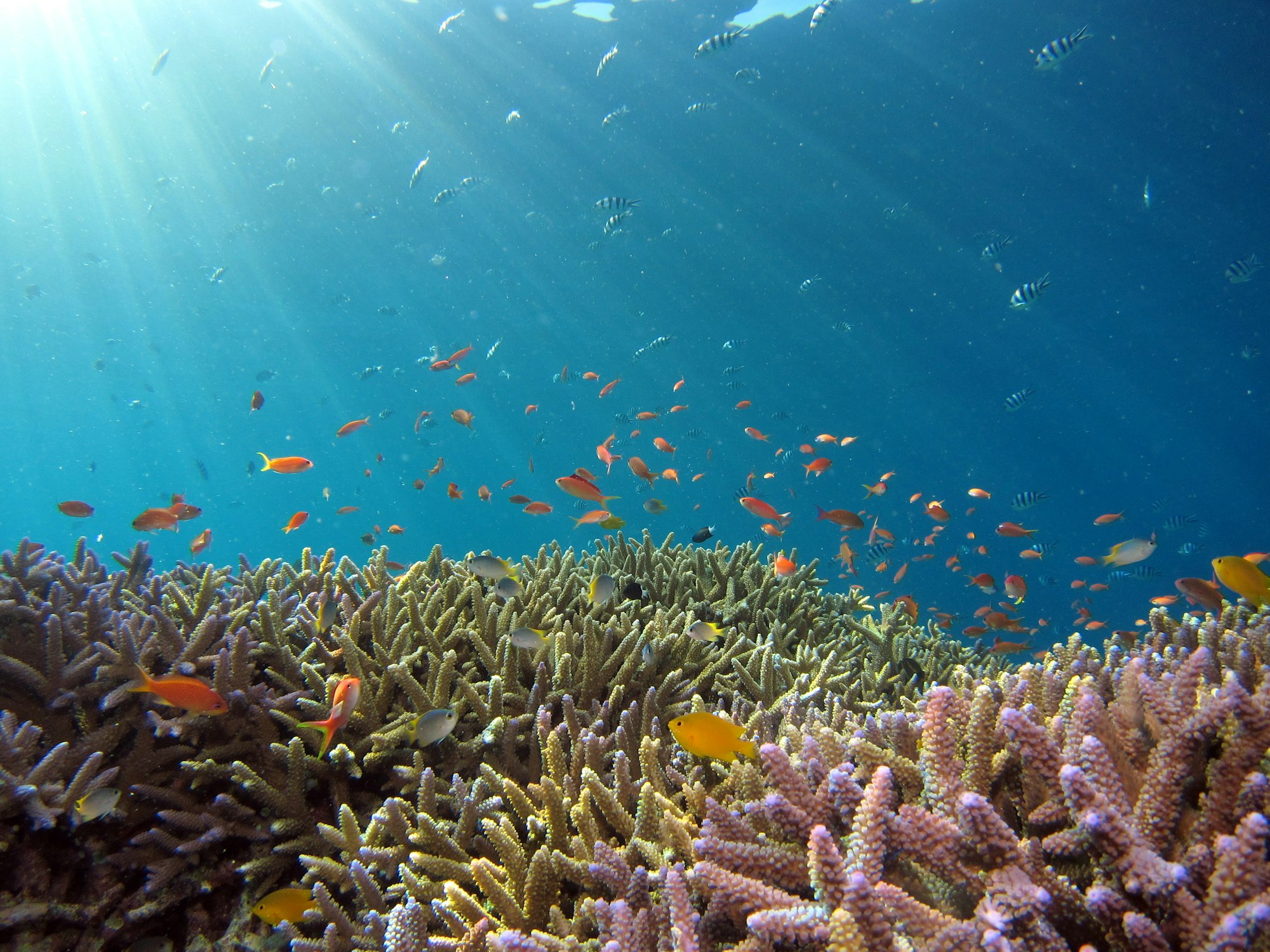
Sitting in some of the most isolated and rarely-dived waters of the Egyptian Red Sea, Gota Mesharifa is a submerged reef pinnacle rising from deep water in the southern offshore corridor. Its extreme remoteness ensures minimal diving pressure and outstanding reef health. The structure follows the classic Red Sea gota form: a rounded or elongated reef platform at 2–5 meters depth with sloping flanks dropping to 18–22 meters before the sandy seafloor continues downward. The site’s position in the warm, plankton-rich southern waters supports exceptionally dense marine life for both reef species and visiting pelagics.
Site Information
- Location: Far southern Egyptian Red Sea, offshore near Sudanese border
- Entry Type: Boat dive
- Site Type: Reef
- Difficulty Level: Intermediate
- Maximum Depth: 20 meters
- Typical Visibility: 25–35 meters
- Current: Variable; moderate on average, potentially strong during tidal flow
- Best Time: October to May
Marine Life
The isolation of this site means marine life is abundant and largely unafraid of divers. humphead wrasse of impressive size patrol the reef edge. Schools of snapper, fusiliers, and surgeonfish are extremely dense. Large groupers occupy the deeper overhangs, and giant moray eels are numerous. Hammerhead sharks are periodically encountered at depth, and reef sharks patrol the outer margins of the pinnacle. Hawksbill turtles rest on the reef flat. The clear southern water is host to occasional whale shark sightings on the surface during calm conditions.
Dive Profile
Descend to the reef’s deeper flanks at 15–20 meters and work around the base of the pinnacle, observing pelagic activity in the open blue. Ascend the sloping sides gradually, spending time in the productive 8–15 meter zone. The reef top is typically very shallow (2–5 meters) and rich with coral and fish life; allow time here before the safety stop. In current, drift the downstream face of the pinnacle.
Entry and Exit
Access exclusively by liveaboard, typically on extended southern Red Sea itineraries running 10–14 nights from Hurghada, Port Ghalib, or Marsa Alam. Entry by giant stride from the liveaboard. Careful gas management is essential given the remote environment — deploy an SMB before ascending.
Tips and Recommendations
- Extended liveaboard itineraries to this area are typically for divers with 50+ logged dives
- The southernmost Red Sea sites are best combined into a dedicated expedition itinerary
- Look for hammerheads in the blue water at depth from January to March
- The sheer fish biomass on undisturbed remote pinnacles like this is striking compared to northern Red Sea sites
- Bring a wide-angle lens — reef school photography here is exceptional
Safety Considerations
The remote location is the primary safety concern. No shore-based assistance is available. The liveaboard is the only resource. Dive conservatively, well within no-decompression limits, and manage gas carefully. Strong currents can develop around the pinnacle. Deploy an SMB before every ascent and never surface without the boat crew aware of your position.
Photography
The pristine reef and abundant fish life create excellent wide-angle opportunities. The density of fish schools in the clear southern Red Sea water is exceptional. Turtle portraits, humphead wrasse close-ups, and schooling snapper shots are all highly productive here.
Sources: Divezone - Red Sea, Dive the World - Egypt Red Sea, Red Sea Scuba Diving, PADI - Diving in Egypt. Last updated 2026-04-04.
Sea-surface temperature and wave height from Open-Meteo Marine (ERA5 reanalysis, monthly averages).
11 verified species observations (9 species) logged within ~11 km of this site between 1977 and 2009, from the Ocean Biodiversity Information System.
- Enneapterygius abeli
- Thalamita poissonii
- Metopograpsus messor
- Xiphonectes tenuicaudatus
- Characodoma gilchristi
- Lumbrineriopsis paradoxa
- Prionospio ehlersi
- Pholoides asperus
- Heterospio longissima
Scientific survey records skew toward sampled taxa (molluscs, corals) and do not reflect what you are guaranteed to see on a dive.
Source: OBIS (obis.org), aggregated Darwin Core occurrence records.
Conditions change with the tide and the season. If you have dived this site, share what it was actually like — date, visibility, current, and what you saw. Real, recent reports from divers are exactly what this guide is built to collect.
Send a conditions report ›