Ham Ham
27.1930°N 33.9847°E · reef
Ham Ham is a reef dive site near El Gouna and Hurghada in the northern Egyptian Red Sea, situated in the busy offshore reef zone between the resort coast and the more remote reefs further offshore.
Overview
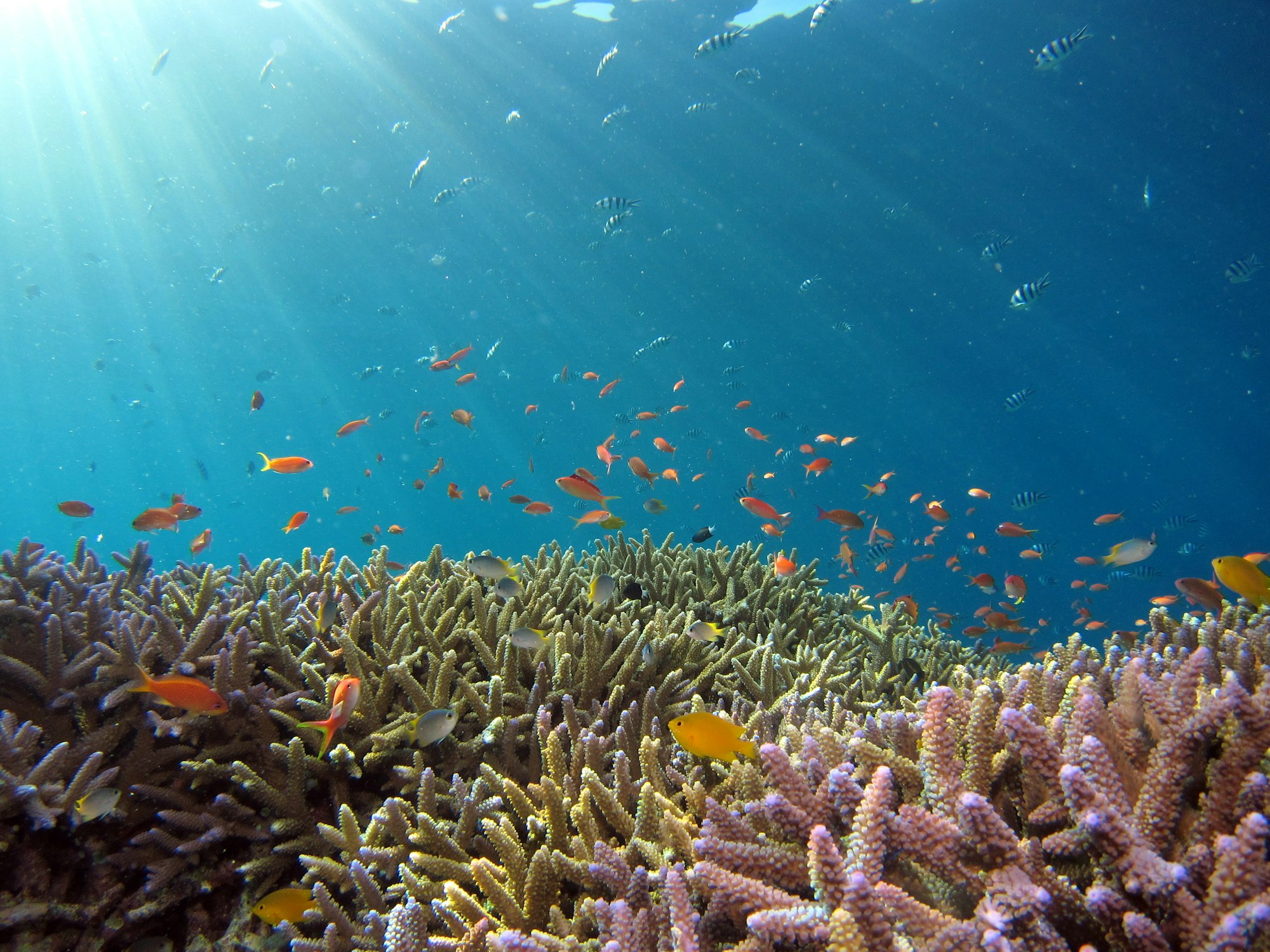
Ham Ham is a compact reef structure typical of the northern Red Sea’s offshore reef complex between Hurghada and the Brothers Islands corridor. The reef platform sits at 2–5 meters and slopes gently to 18–20 meters on its southern face. It is regularly included as a second or third dive on Hurghada day-boat itineraries that circuit the nearby reef group, offering a slightly less-visited alternative to the more famous Giftun reefs. The coral here is in reasonable condition, with a mix of tabulate Acropora, massive Porites, and fire coral on the shallower reef top. The site’s accessibility from Hurghada means it sees regular traffic, though it remains a pleasant, easy dive for intermediates.
Site Information
- Location: Offshore northern Egyptian Red Sea, north of Hurghada near El Gouna
- Entry Type: Boat dive
- Site Type: Reef
- Difficulty Level: Intermediate
- Maximum Depth: 20 meters
- Typical Visibility: 15–25 meters
- Current: Mild to moderate
- Best Time: October to May
Marine Life
The reef fish community is typical of the northern Red Sea: abundant chromis, anthias, butterflyfish, and parrotfish above the coral. humphead wrasse are present and visit regularly. Giant morays occupy the large coral crevices. Bluespotted stingrays rest in sandy patches between the coral heads. Hawksbill turtles are occasional visitors. Small reef sharks are sometimes seen on the outer edges of the reef slope. The sandy margin at the reef base is home to garden eels.
Dive Profile
Enter from the boat and descend to the sandy base at 18–20 meters. Follow the reef slope toward the reef top, spending most of the bottom time in the productive 8–15 meter range. A circuit of the reef top at 3–5 meters provides the safety stop and a good overview of the coral plateau. The compact nature of this reef makes it easy to navigate without a guide.
Entry and Exit
Day-boat access from Hurghada or El Gouna operators. Entry by giant stride. The reef is typically approached from the west on the sheltered side. Deploy an SMB before ascending for the boat pickup. Coordinate the exit point with the boat crew.
Tips and Recommendations
- Best treated as an easy warm-up dive or a relaxed third dive when conditions at offshore sites are too demanding
- The sandy patches between coral heads are worth scanning for bluespotted rays
- Visibility is typically best in the morning before boat traffic disturbs the water
- For first-time Red Sea divers, this reef offers a comfortable introduction to the region’s reef character
- A torch is useful for looking under coral overhangs for lobsters and morays
Safety Considerations
Fire coral is abundant on the shallower reef sections — do not touch the reef without gloves. Be aware of boat traffic in this busy Hurghada reef zone; always deploy an SMB before surfacing. Current is generally mild but can pick up on the outer reef edge.
Photography
A competent but not exceptional photography site. The fish community is approachable and varied. Natural-light conditions are good throughout the morning at 5–15 meters. The sandy margin provides a clean, bright background for ray and sand-dwelling species portraits.
Sources: Divezone - Red Sea, Dive the World - Egypt Red Sea, Red Sea Scuba Diving, PADI - Diving in Egypt. Last updated 2026-04-04.
Sea-surface temperature and wave height from Open-Meteo Marine (ERA5 reanalysis, monthly averages).
86 verified species observations (70 species) logged within ~11 km of this site between 1833 and 2010, from the Ocean Biodiversity Information System.
- Amblygobius albimaculatus
- Amphiprion bicinctus
- Hipposcarus harid
- Gobiodon
- Tursiops aduncus · Indian ocean bottlenose dolphin
- Grampus griseus · Risso's dolphin
- Corythoichthys flavofasciatus
- Chlorurus sordidus
- Megaptera novaeangliae · Humpback whale
- Apogon coccineus
- Salarias fasciatus
- Meiacanthus nigrolineatus
Scientific survey records skew toward sampled taxa (molluscs, corals) and do not reflect what you are guaranteed to see on a dive.
Source: OBIS (obis.org), aggregated Darwin Core occurrence records.
Conditions change with the tide and the season. If you have dived this site, share what it was actually like — date, visibility, current, and what you saw. Real, recent reports from divers are exactly what this guide is built to collect.
Send a conditions report ›