Heaven
25.3469°N 34.7768°E · reef
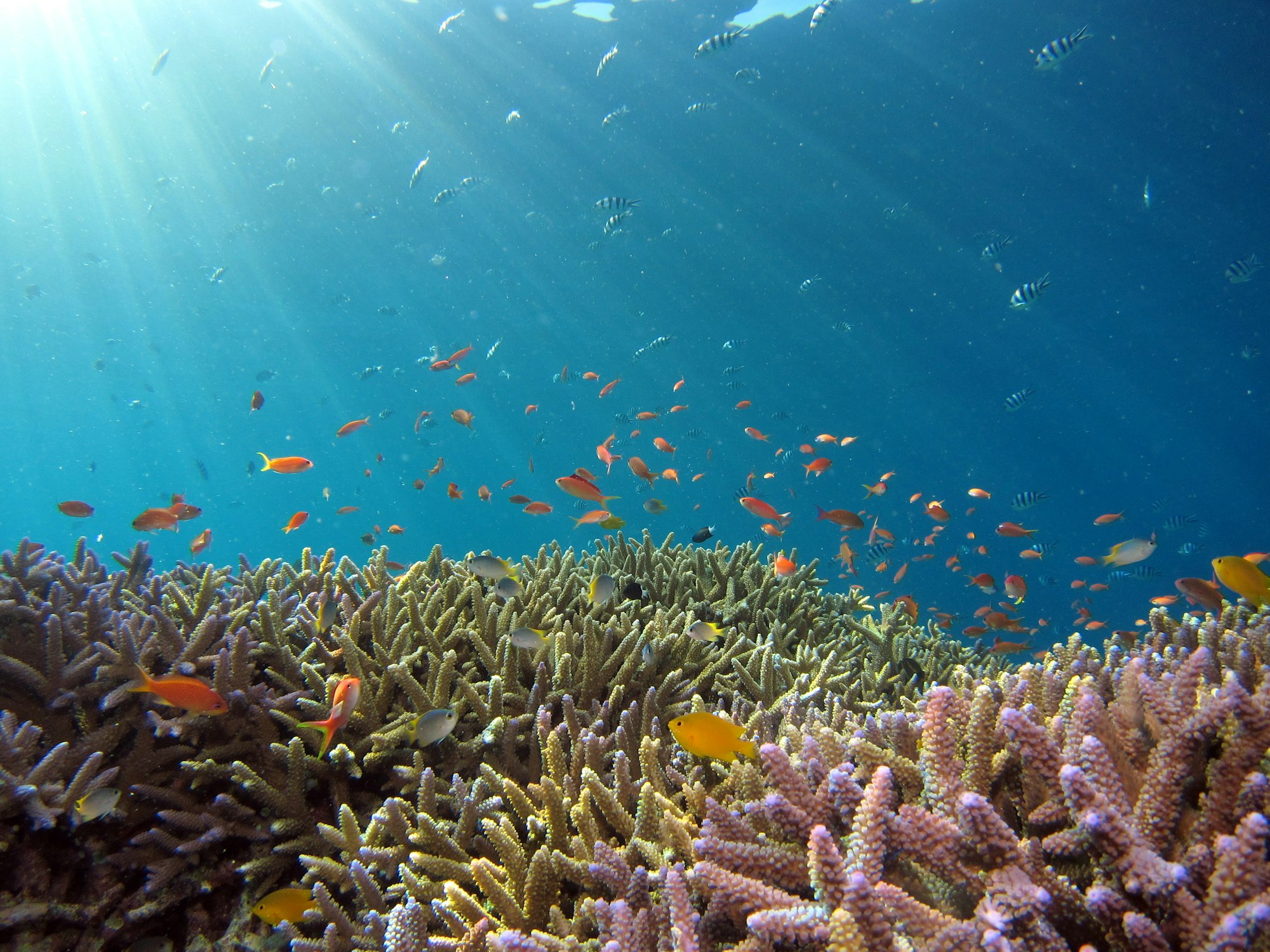
Heaven is a sheltered shallow reef dive in the El Quseir area of the central Egyptian Red Sea, a site whose name reflects the gently beautiful, unchallenging diving it provides — a true “heavenly” introduction to Red Sea coral gardens.
Overview
Heaven sits in the reef zone between Hurghada and Marsa Alam, in the El Quseir corridor that offers some of the central Red Sea’s most accessible diving. The site is a fringing or offshore reef with a shallow crown at 3–5 meters and a gentle slope to 15–18 meters, the whole surface covered in dense, healthy coral. The calm, protected geometry of the site means it is frequently chosen by dive operators for beginner check dives and for divers who prefer relaxed conditions over pelagic drama. Despite the easy character of the dive, the coral and fish life here are genuinely impressive and reward attentive observation.
Site Information
- Location: El Quseir area, central Egyptian Red Sea coast
- Entry Type: Boat dive
- Site Type: Reef
- Difficulty Level: Beginner
- Maximum Depth: 18 meters
- Typical Visibility: 15–25 meters
- Current: Minimal; well protected
- Best Time: Year-round; October to May for optimum conditions
Marine Life
The gentle conditions and abundant hard coral make this site a nursery habitat for juvenile reef fish, so species diversity is high even though individual sizes may be smaller than on offshore reefs. Clownfish in anemones are reliably found on the reef flat. Butterflyfish, parrotfish, and surgeonfish are abundant. humphead wrasse make occasional appearances. Sea turtles visit the reef to graze on algae and sponges. Bluespotted stingrays occupy the sandy patches between coral heads, and moray eels are resident in the coral crevices. Garden eels emerge from the sandy margin at the reef base.
Dive Profile
Descend to the sandy floor at 15–18 meters and navigate inward up the gentle reef slope. Spend most of the dive in the productive 5–12 meter zone, following the coral ridge and exploring coral heads at a relaxed pace. The shallow reef top at 3–5 meters makes an excellent safety-stop zone with overhead light creating stunning visual conditions. No navigation skills beyond basic compass use are required — simply follow the reef.
Entry and Exit
Day-boat access from El Quseir or Marsa Alam operators. Entry by giant stride or back roll from the boat. Exit using the boat’s descent line or by ascending with an SMB and waiting for the zodiac pickup.
Tips and Recommendations
- An ideal site for Open Water graduates completing their first post-certification dives
- Excellent for underwater photography without the distraction of managing strong current
- Snorkellers can enjoy the same reef from the surface alongside divers
- Visit in the morning for the best visibility and light angles
- Anemonefish in the shallows are cooperative and patient subjects for macro photography
Safety Considerations
Despite the beginner designation, standard Red Sea precautions apply. Fire coral is present on the reef top; do not touch the reef. Deploy an SMB before surfacing — even in calm conditions, boat traffic is a hazard. Keep close to the guide and communicate air pressure regularly. The shallow depth makes this a very forgiving environment but does not eliminate the need for buddy diving.
Photography
The shallow clear water and abundant reef fish community make Heaven one of the best beginner photography sites in the Red Sea. Natural light penetrates beautifully throughout the dive profile. Anemonefish, butterflyfish pairs, and turtle portraits are classic subjects. The gentle slope and lack of current allow extended composition time.
Sources: Divezone - Red Sea, Dive the World - Egypt Red Sea, Red Sea Scuba Diving, PADI - Diving in Egypt. Last updated 2026-04-04.
Sea-surface temperature and wave height from Open-Meteo Marine (ERA5 reanalysis, monthly averages).
47 verified species observations (20 species) logged within ~11 km of this site between 1996 and 2026, from the Ocean Biodiversity Information System.
- Tursiops · Bottlenose dolphins
- Tursiops aduncus · Indian ocean bottlenose dolphin
- Stenella longirostris · Spinner dolphin
- Rhincodon typus · Whale Shark
- Balaenoptera edeni · Eden's whale
- Nerita sanguinolenta
- Conomurex fasciatus
- Maculastrombus mutabilis
- Clanculus
- Fasciolariidae
- Dolomena plicata
- Stomatella auricula
Scientific survey records skew toward sampled taxa (molluscs, corals) and do not reflect what you are guaranteed to see on a dive.
Source: OBIS (obis.org), aggregated Darwin Core occurrence records.
Conditions change with the tide and the season. If you have dived this site, share what it was actually like — date, visibility, current, and what you saw. Real, recent reports from divers are exactly what this guide is built to collect.
Send a conditions report ›