Horse Shoe Reef
22.4217°N 38.9517°E · reef
Horse Shoe Reef is a horseshoe-shaped coral formation in the far southern Egyptian Red Sea near the Saudi Arabian border, in the remote offshore waters south of Wadi Lahami.
Overview
The horseshoe shape of this reef gives it a distinctive enclosed lagoon on the open side, with the protective arms of the reef creating a calm interior zone and two exposed outer walls that attract current-driven pelagic life. This classic reef geometry, found at several Red Sea sites, creates a naturally sheltered dive area inside the horseshoe alongside more demanding conditions on the outer walls. The site is accessed almost exclusively on extended liveaboard itineraries running south of Marsa Alam into the least-visited section of the Egyptian Red Sea. Coral health is consistently reported as outstanding by operators who reach this area.
Site Information
- Location: Far southern Egyptian Red Sea, south of Wadi Lahami near Saudi border
- Entry Type: Boat dive
- Site Type: Reef
- Difficulty Level: Intermediate
- Maximum Depth: 20 meters
- Typical Visibility: 25–35 meters
- Current: Variable; sheltered inside, stronger on the outer walls
- Best Time: October to May
Marine Life
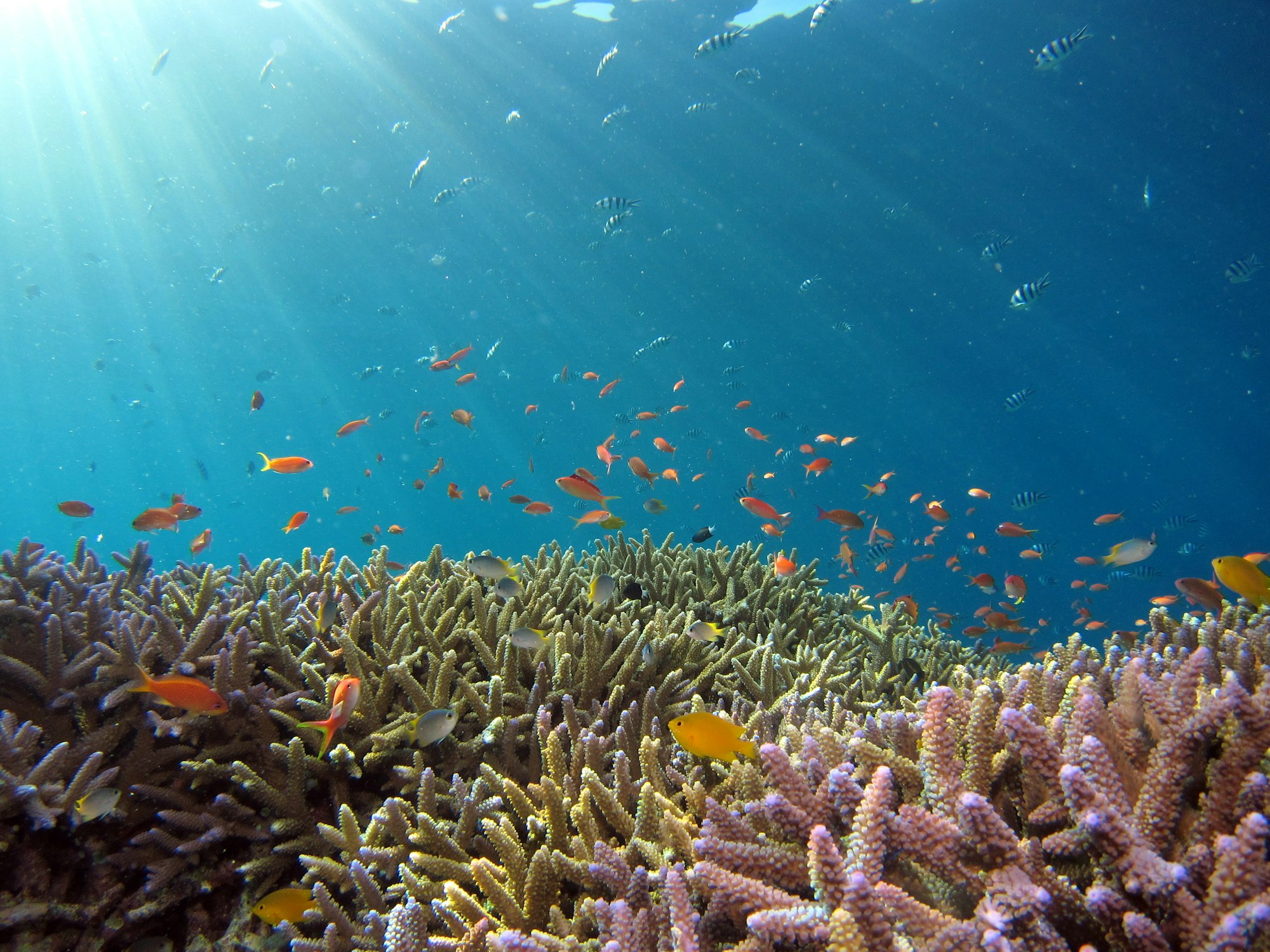
The enclosed interior of the horseshoe provides calm, shallow water that attracts turtles to rest and feed on the coral flat. The outer arms of the reef, where current flows, concentrate barracuda and jacks in schools. humphead wrasse, large groupers, and reef sharks patrol the outer wall. The interior reef face supports dense hard coral coverage with anthias and butterflyfish in abundance. Eagle rays are occasionally seen in the sandy areas between the reef and the seabed. The pristine nature of this rarely-dived reef means species populations are noticeably larger and less habituated to divers than northern Red Sea equivalents.
Dive Profile
Begin the dive inside the horseshoe’s calmer interior, descending to the sandy floor at 15–18 meters and exploring the inner reef face upward. Once comfortable, venture around to the outer wall on one arm of the horseshoe to encounter the current-driven pelagic life. Return through the horseshoe interior to ascend and safety-stop in the sheltered zone. This approach allows both easy, sheltered diving and more dynamic wall diving in a single dive.
Entry and Exit
Liveaboard access from Marsa Alam, Port Ghalib, or Wadi Lahami on extended itineraries. Entry by giant stride. The mooring typically positions the boat at the open end of the horseshoe. Deploy an SMB before ascending and coordinate the exit with the dive guide so the boat knows which arm of the reef you are emerging from.
Tips and Recommendations
- Use the horseshoe’s interior for a gentle warm-up before venturing onto the exposed outer walls
- The outer arms are best dived as a drift, using current to move along the wall efficiently
- Multiple dives on this reef (possible on a liveaboard layover) allow comprehensive exploration of all faces
- The enclosed interior is an ideal spot for a post-dive snorkel from the liveaboard
- Bring a wide-angle lens for the outer wall’s pelagic action and interior reef portraits
Safety Considerations
The contrast between the calm interior and the current-exposed outer wall requires careful planning. Ascend in the interior of the horseshoe unless current conditions favour the outer face. Never ascend on the outer wall if there is a strong tidal flow without deploying an SMB. The liveaboard must be positioned to receive divers from either side of the reef.
Photography
The interior of the horseshoe offers beautiful, bright natural-light photography with turtles and coral gardens. The outer wall provides dramatic wide-angle opportunities with pelagic fish against deep blue water. The contrasting environments within a single dive make this a versatile photography site.
Sources: Divezone - Red Sea, Dive the World - Egypt Red Sea, Red Sea Scuba Diving, PADI - Diving in Egypt. Last updated 2026-04-04.
Sea-surface temperature and wave height from Open-Meteo Marine (ERA5 reanalysis, monthly averages).
454 verified species observations (315 species) logged within ~11 km of this site between 2011 and 2022, from the Ocean Biodiversity Information System.
- Dascyllus trimaculatus
- Gobiidae
- Pseudochromis fridmani
- Gomphosus caeruleus
- Rhinecanthus assasi
- Zebrasoma xanthurum
- Pterois miles
- Pseudanthias squamipinnis
- Chaetodon mesoleucos
- Eviota
- Centropyge multispinis
- Labroides dimidiatus
Scientific survey records skew toward sampled taxa (molluscs, corals) and do not reflect what you are guaranteed to see on a dive.
Source: OBIS (obis.org), aggregated Darwin Core occurrence records.
Conditions change with the tide and the season. If you have dived this site, share what it was actually like — date, visibility, current, and what you saw. Real, recent reports from divers are exactly what this guide is built to collect.
Send a conditions report ›