Japanese Gardens Coral Reefs
29.4299°N 34.9733°E · reef
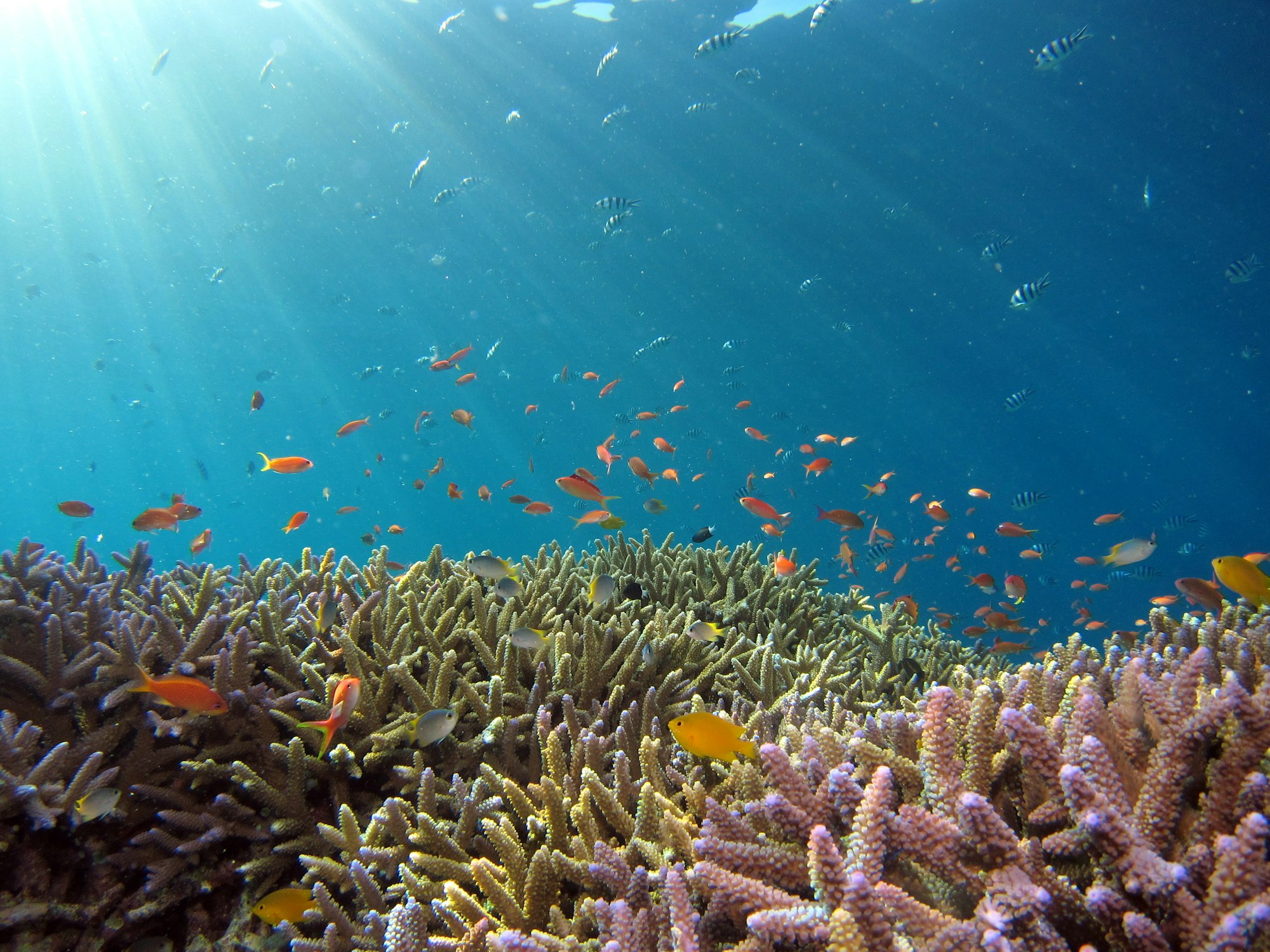
Japanese Gardens is one of the most iconic beginner dive and snorkel sites in Aqaba, Jordan, located on the northern coast of the Gulf of Aqaba in the Red Sea. The site takes its name from the intricate, manicured appearance of its shallow coral formations — low, spreading table corals and branching structures that create the impression of a carefully tended Japanese rock garden when viewed from above.
Overview
The reef at Japanese Gardens extends from a sandy beach entry into a series of interlinked coral gardens reaching no deeper than about 15 meters. This makes it one of the most accessible and diver-friendly sites in the region — ideal for new divers completing their open water training, families with snorkelers, and experienced divers who want a relaxed, unhurried dive focused on reef photography and macro life. Visibility in calm conditions commonly reaches 20-30 meters. The site sits within Aqaba Marine Park, which has contributed to strong coral health and relatively undisturbed marine communities.
Site Information
- Location: Aqaba, Jordan, northern Gulf of Aqaba, Red Sea
- Entry Type: Shore entry
- Site Type: Reef
- Difficulty Level: Beginner
- Maximum Depth: 15 meters
- Typical Visibility: 15-30 meters (50-100 feet)
- Current: Generally mild; can pick up with wind
- Best Time: Year-round; summer for warmest water, winter for best visibility
Marine Life
The shallow coral garden supports an outstanding density of reef fish. Clouds of anthias hover above every coral head, and clownfish occupy anemones scattered across the reef flat. Pufferfish, wrasse, butterflyfish, and parrotfish are constant companions. Resting sea turtles have been encountered at the site on numerous diver reports. Moray eels tuck into crevices throughout the coral, and lionfish are common in shaded overhangs. The sandy channels between coral heads often hold flatfish and garden eels. Unlike the open-water sites further south, Japanese Gardens is not typically a pelagic encounter site — the draw here is the sheer abundance and diversity of the reef community.
Dive Profile
Enter from the beach and snorkel or swim out to the first coral formations, which begin within 20-30 meters of shore. The reef floor slopes gently to a sandy plain at around 12-15 meters. Most of the interesting structures lie between 3-12 meters, making this an excellent multi-level dive that maximizes bottom time. Explore the coral gardens at leisure, using the sandy channels as navigation corridors between formations. No decompression concerns at these depths, but plan your exit well before air runs low — the return shore swim requires some exertion.
Entry and Exit
A sandy beach entry leads directly to the reef. Conditions are usually calm due to the protected bay location, but a slight surge is possible on windy days. Entry steps or a concrete platform may be present depending on the season. Booties and reef shoes are recommended due to occasional urchins near the entry zone.
Tips and Recommendations
- Arrive early morning for the calmest conditions and best light for photography
- Snorkelers can experience much of the reef from the surface — an ideal mixed-group site
- The site is within Aqaba Marine Park; a small entry fee may apply
- Hire a local guide for the first visit to learn the best coral features and resident animal locations
- Bring a macro lens or close-up diopter — the reef is rich in small critters
- Water temperature ranges from around 21°C in winter to 27°C in summer
Safety Considerations
Currents are generally mild at Japanese Gardens, making it one of the safer shore entries in the region. Fire coral is present on and around reef formations — maintain neutral buoyancy and avoid contact. Urchins can concentrate near the entry zone; take care with hand placement. Depth is limited and the reef structure is easy to navigate, but always dive with a buddy and carry an SMB.
Photography
Japanese Gardens is exceptional for both macro and reef portrait photography. The coral density and fish life are photogenic at every turn, and the shallow depth allows long bottom times for careful composition. Wide-angle shots of coral gardens with dappled sunlight from the surface create striking images. Look for clownfish and anemone subjects, resting turtles, and the resident moray eels for classic Red Sea reef portraits.
Sources: Divezone - Red Sea, Dive the World - Egypt Red Sea, Red Sea Scuba Diving, PADI - Diving in Egypt. Last updated 2026-04-04.
Sea-surface temperature and wave height from Open-Meteo Marine (ERA5 reanalysis, monthly averages).
31314 verified species observations (93 species) logged within ~11 km of this site between 1999 and 2019, from the Ocean Biodiversity Information System.
- Siganus rivulatus · marbled spinefoot
- Grampus griseus · Risso's dolphin
- Pyura mirabilis
- Ascidiacea
- Repomucenus olidus
- Alectrias benjamini
- Scorpaenopsis cirrosa
- Diplacanthopoma brachysoma
- Parapercis hexophtalma
- Coxiella
- Tridacna maxima
- Columbellidae
Scientific survey records skew toward sampled taxa (molluscs, corals) and do not reflect what you are guaranteed to see on a dive.
Source: OBIS (obis.org), aggregated Darwin Core occurrence records.
Conditions change with the tide and the season. If you have dived this site, share what it was actually like — date, visibility, current, and what you saw. Real, recent reports from divers are exactly what this guide is built to collect.
Send a conditions report ›