Karam Marsmarit
18.7979°N 38.7774°E · reef
Karam Marsmarit is a remote offshore reef site in the southern Red Sea, located in waters off the Sudanese or far southern Egyptian coast. The name “karam” is an Arabic term commonly used in the Red Sea region to denote an offshore reef or submerged reef structure — the same root appears across several southern Red Sea site names. Marsmarit refers to the associated bay or anchorage in the area.
Overview
This is an offshore reef site accessed exclusively by liveaboard, with the isolation from coastal development contributing to excellent water clarity and relatively undisturbed marine ecosystems. The reef rises from deeper water to create a platform that tops out at a manageable depth, with the most productive diving occurring along the outer reef edges and drop-offs. The southern Red Sea is characterised by richer, less-visited reefs compared to the heavily dived northern sites around Sharm el-Sheikh, and sites like Karam Marsmarit see a fraction of the diver traffic despite comparable or superior coral health.
Site Information
- Location: Southern Red Sea, Egypt (offshore reef)
- Entry Type: Boat dive
- Site Type: Reef
- Difficulty Level: Intermediate
- Maximum Depth: 20 meters
- Typical Visibility: 20-35 meters (65-115 feet)
- Current: Moderate; stronger on exposed reef edges
- Best Time: October to April (liveaboard season for southern routes)
Marine Life
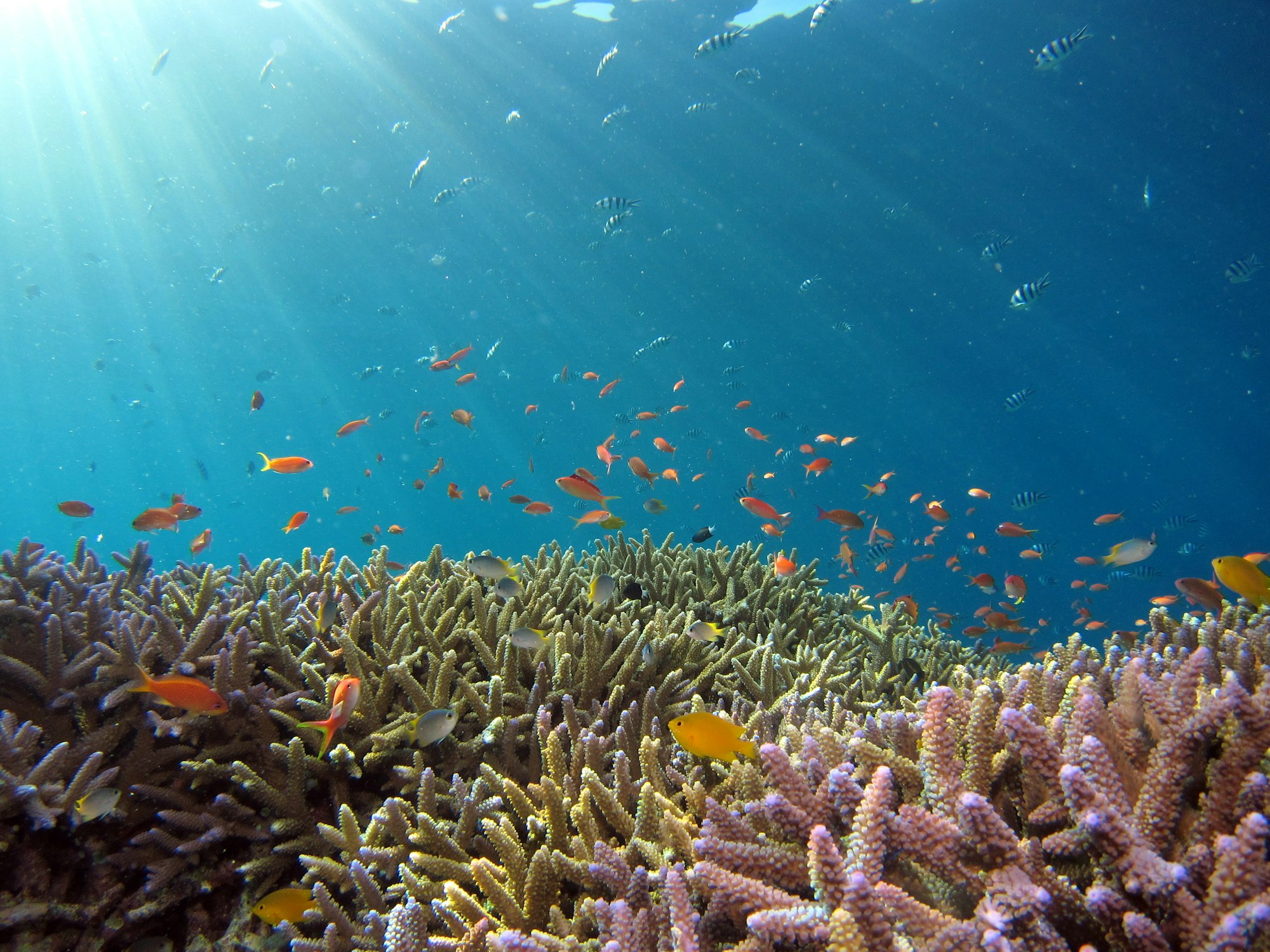
The offshore reef environment supports good shark activity, with grey reef sharks and whitetip reef sharks regularly patrolling the reef edges. humphead wrasse are common at southern Red Sea offshore reefs, and schools of barracuda and trevally are frequently encountered around the reef top. Sea turtles appear regularly at cleaner reef sites in this region. The hard and soft coral communities on an undisturbed reef of this type support dense populations of anthias, butterflyfish, and surgeonfish, with moray eels and lionfish occupying reef crevices at multiple depth levels.
Dive Profile
Descend to the outer reef edge and work at 10-20 meters, following the reef contour. The intermediate depth rating reflects the potential for moderate currents on exposed sections rather than technical depth requirements. Most marine life concentrates along the reef edge and the upper sections of any drop-off. Complete the dive with time to explore the shallower reef top before surfacing.
Entry and Exit
Access is exclusively by liveaboard from ports in Marsa Alam or Port Sudan area. Entry via giant stride or back roll from the dive deck. Surface conditions offshore can be affected by weather; check with the captain before each dive. Deploy SMB before ascending for boat pickup in open water.
Tips and Recommendations
- Best visited as part of a southern Red Sea or Sudan liveaboard itinerary
- Early morning dives typically offer the best chances for shark sightings
- Monitor current direction on descent — plan the dive to drift with the current, not against it
- The remote location means full self-sufficiency: carry redundant safety equipment
- Bring a spare torch for reef crevice exploration
Safety Considerations
Offshore reefs in the southern Red Sea require greater self-sufficiency than resort sites. Current can intensify quickly around exposed reef structures — be prepared to abort and ascend in the blue if conditions exceed your comfort level. Always dive with a fully charged SMB and audible signal. Surface conditions can be choppy; the boat crew will direct pickup procedures. No immediate rescue services are available in remote offshore locations.
Photography
Remote southern Red Sea reefs provide exceptional wide-angle opportunities — clean water, vibrant coral color, and shark activity create compelling images. A fisheye or wide-angle zoom lens is ideal. Macro subjects are plentiful on the coral walls. Shoot toward the open blue water to include the reef edge and any pelagic visitors in the frame.
Sources: Divezone - Red Sea, Dive the World - Egypt Red Sea, Red Sea Scuba Diving, PADI - Diving in Egypt. Last updated 2026-04-04.
Sea-surface temperature and wave height from Open-Meteo Marine (ERA5 reanalysis, monthly averages).
1 verified species observations (1 species) logged within ~11 km of this site between 2014 and 2014, from the Ocean Biodiversity Information System.
- Pseudorca crassidens · False killer whale
Scientific survey records skew toward sampled taxa (molluscs, corals) and do not reflect what you are guaranteed to see on a dive.
Source: OBIS (obis.org), aggregated Darwin Core occurrence records.
Conditions change with the tide and the season. If you have dived this site, share what it was actually like — date, visibility, current, and what you saw. Real, recent reports from divers are exactly what this guide is built to collect.
Send a conditions report ›