Maheleg
25.9026°N 34.4131°E · reef
Maheleg is an offshore reef site in the central Red Sea at approximately 25.90°N, 34.41°E, positioned in the open waters off the Egyptian coast between Hurghada and Marsa Alam. The name is of Arabic origin and likely refers to the reef’s local designation. Its offshore location means access is primarily by liveaboard vessel on routes that combine central Egyptian Red Sea sites.
Overview
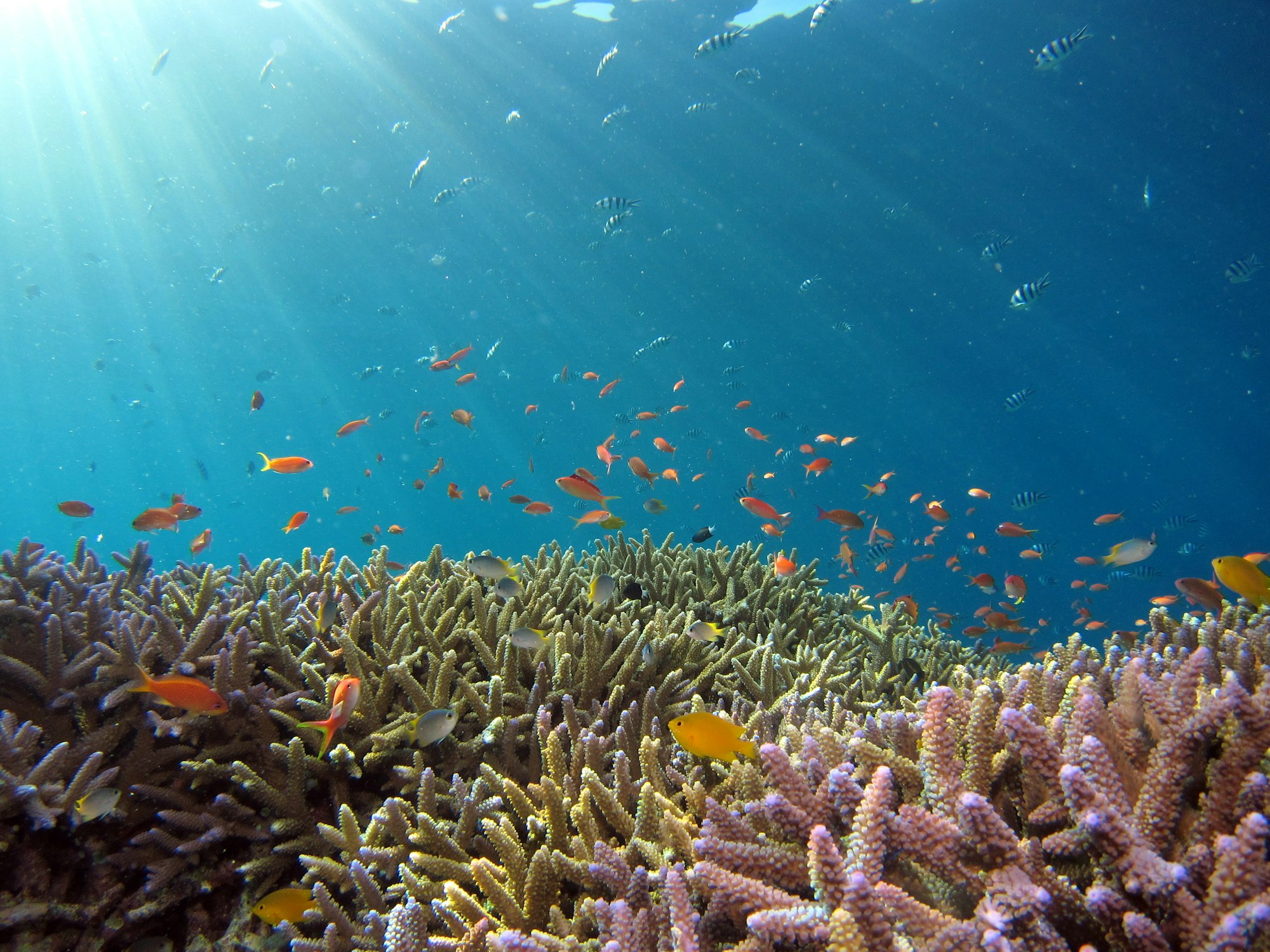
Maheleg is a classic offshore Red Sea reef — a submerged platform or atoll structure that rises from deeper water to create a productive diving environment at manageable depths. The open-ocean position exposes the reef to clear, oceanic water with exceptional visibility, often exceeding 30 meters in calm conditions. The combination of healthy coral coverage and moderate current that periodically sweeps the site supports a strong fish population, making this a rewarding dive for intermediate-level divers interested in both reef biology and larger marine encounters. At maximum depth of approximately 20 meters, the site is within easy reach of most recreational divers.
Site Information
- Location: Central Red Sea, Egypt (offshore reef, approximately 25.90°N, 34.41°E)
- Entry Type: Boat dive
- Site Type: Reef
- Difficulty Level: Intermediate
- Maximum Depth: 20 meters
- Typical Visibility: 20-35 meters (65-115 feet)
- Current: Moderate; variable by tidal state and season
- Best Time: October to May
Marine Life
Offshore reefs in this section of the Egyptian coast are productive shark habitats. Grey reef sharks and whitetip reef sharks are regularly reported at offshore reef sites in the Maheleg area, with sightings typically occurring along the reef edges in moderate current. humphead wrasse patrol the outer reef sections, and schools of barracuda and big-eye trevally hold position in the current. Sea turtles appear sporadically at cleaner offshore reefs. The reef structure supports anthias clouds, butterflyfish, surgeonfish, and parrotfish, with moray eels and lionfish occupying the more sheltered sections. Sandy areas adjacent to the reef may hold stingrays and garden eel colonies.
Dive Profile
Descend to the reef edge and follow the contour at 10-20 meters. Moderate current at offshore sites like Maheleg rewards drift diving — move with the flow rather than working against it, covering more reef area with less exertion. Spend time along the outer reef edge where pelagic visitors concentrate, then ascend the slope to explore the shallower reef top. Allow 50 bar for the ascent and safety stop, and surface with SMB deployed.
Entry and Exit
Liveaboard access only for this remote offshore site. Entry via giant stride; the boat maintains a drift pickup as conditions dictate. Pre-dive briefing from the dive guide will cover current conditions and exit procedures for the specific dive. Carry a whistle or signal mirror in addition to the SMB.
Tips and Recommendations
- Best visited as part of a central Egyptian Red Sea liveaboard routing
- Dive the site at its productive times — the guide will know whether morning or afternoon is preferable based on current conditions
- Monitor shark activity by watching the open water column as well as the reef edge
- Nitrox is worthwhile if available, extending bottom time at the 15-20 meter range where most pelagic activity occurs
Safety Considerations
Offshore Red Sea reefs require full diver self-sufficiency. Currents can be variable and may intensify around reef corners without warning. If separated from the reef in open water, ascend in the blue and surface with SMB deployed — attempting to swim back against current is usually counterproductive. No rescue services are nearby; always brief abort procedures before entry. Fire coral is present on reef surfaces.
Photography
Clear water and strong fish populations make Maheleg a productive photography destination for intermediate reef and pelagic subjects. Wide-angle reef scenes with fish in the frame shoot beautifully in clear offshore water. Shark encounters require a large dome port and shooting toward the light to avoid silhouetting. Macro subjects are plentiful in the reef crevices and sandy margin.
Sources: Divezone - Red Sea, Dive the World - Egypt Red Sea, Red Sea Scuba Diving, PADI - Diving in Egypt. Last updated 2026-04-04.
Sea-surface temperature and wave height from Open-Meteo Marine (ERA5 reanalysis, monthly averages).
24 verified species observations (14 species) logged within ~11 km of this site between 2002 and 2012, from the Ocean Biodiversity Information System.
- Tursiops aduncus · Indian ocean bottlenose dolphin
- Hippichthys spicifer · Banded Freshwater Pipefish
- Stenella longirostris · Spinner dolphin
- Micrognathus andersonii · Anderson's Pipefish
- Enneapterygius abeli
- Enneapterygius clarkae
- Enneapterygius destai
- Enneapterygius altipinnis
- Fowleria vaiulae
- Nerita sanguinolenta
- Echinometra mathaei
- Gelasimus tetragonon
Scientific survey records skew toward sampled taxa (molluscs, corals) and do not reflect what you are guaranteed to see on a dive.
Source: OBIS (obis.org), aggregated Darwin Core occurrence records.
Conditions change with the tide and the season. If you have dived this site, share what it was actually like — date, visibility, current, and what you saw. Real, recent reports from divers are exactly what this guide is built to collect.
Send a conditions report ›