Makadi Garden
27.0045°N 33.9134°E · reef
Makadi Garden is a reef dive site located in the Makadi Bay area south of Hurghada on Egypt’s Red Sea coast. Makadi Bay is a purpose-developed resort area with a cluster of large hotels, and the diving here is characterised by accessible boat dives to nearshore and offshore reefs serving the resort community. The site sits at approximately 27.00°N, 33.91°E in the Red Sea, a few kilometres off the developed shoreline.
Overview
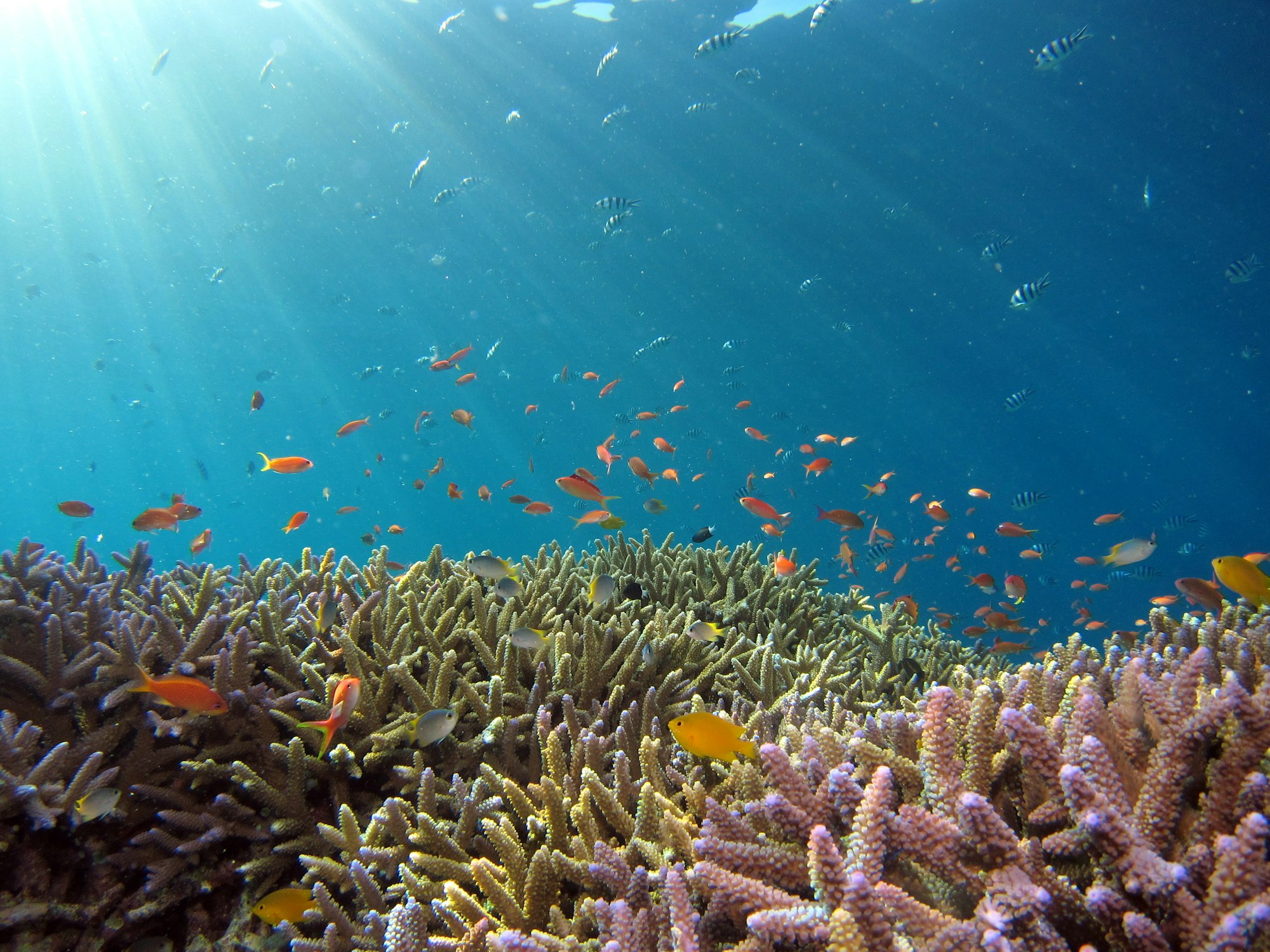
Makadi Garden offers a coral garden dive in the productive nearshore reef environment typical of this stretch of the Egyptian coast. The “garden” name describes the topography — a series of coral outcroppings and patch reefs arranged across a sandy seafloor, rather than a continuous reef wall or drop-off. This type of formation is particularly enjoyable to explore slowly, weaving between coral heads and examining the varied microhabitats each structure provides. Maximum depth is approximately 20 meters, and the site is regularly used for resort course dives, check dives, and photography-focused excursions.
Site Information
- Location: Makadi Bay, Hurghada area, Red Sea, Egypt
- Entry Type: Boat dive
- Site Type: Reef
- Difficulty Level: Intermediate
- Maximum Depth: 20 meters
- Typical Visibility: 15-25 meters (50-80 feet)
- Current: Generally mild; can increase with wind
- Best Time: Year-round; October to May for optimal conditions
Marine Life
The coral garden structure at Makadi Garden supports a typical Red Sea nearshore reef community. humphead wrasse of considerable size are documented in this area, often approaching dive groups with familiarity from regular human presence. Schools of anthias, chromis, and butterflyfish are constant on every coral head. Octopus, moray eels, and lionfish are regular crevice inhabitants. Stonefish, well-camouflaged against sandy substrate, require careful attention near the reef base. Sea turtles make occasional appearances at this and neighbouring Makadi Bay sites. The sandy channels between coral outcroppings are worth examining for garden eels, rays, and flatfish.
Dive Profile
After descending to the sandy base between coral formations, work systematically through the garden, exploring each coral head from multiple angles. The intermediate depth rating reflects the moderate navigation challenge of an open garden site rather than technical demands — maintaining position and orientation across open sand requires more active navigation than following a continuous reef. Work progressively deeper into the formation before ascending the coral heads and returning to the shallower section for the end of the dive.
Entry and Exit
Boat dive from Makadi Bay resort jetties and dive centres. Entry via giant stride. The relatively calm nearshore location means exit conditions are generally straightforward. Deploy SMB before ascending and follow the boat’s pickup procedures.
Tips and Recommendations
- For the best experience, move slowly and look carefully at each coral structure — resident species like stonefish and frogfish reward attentive observation
- humphead wrasse at this site are accustomed to divers and may approach closely — resist the temptation to feed or touch them
- This is an excellent site for the second or third dive of the day at a comfortable depth
- Makadi Bay operators offer night dives at Makadi Garden — excellent for cuttlefish, octopus, and sleeping reef fish
Safety Considerations
Stonefish are present in sandy substrate areas adjacent to coral formations — never kneel on the seabed or place hands without checking first. Fire coral is abundant on hard coral formations. Navigation in an open garden site without a wall reference can be disorienting in lower visibility — carry a compass and monitor your position relative to the boat. Always use an SMB on ascent.
Photography
Coral garden sites offer flexible composition options — wide-angle scenes capturing multiple coral heads with fish life above, or tight macro work on the encrusted surfaces. humphead wrasse close-up portraits are a signature Makadi area shot. The sandy channels make excellent foreground elements in wide compositions. Night photography at the garden yields cuttlefish and octopus hunting subjects.
Sources: Divezone - Red Sea, Dive the World - Egypt Red Sea, Red Sea Scuba Diving, PADI - Diving in Egypt. Last updated 2026-04-04.
Sea-surface temperature and wave height from Open-Meteo Marine (ERA5 reanalysis, monthly averages).
825 verified species observations (399 species) logged within ~11 km of this site between 1996 and 2014, from the Ocean Biodiversity Information System.
- Nerita sanguinolenta
- Nerita quadricolor
- Myurella nebulosa
- Clanculus pharaonius
- Conomurex fasciatus
- Maculastrombus mutabilis
- Atactodea striata
- Planaxis savignyi
- Clivipollia incarnata
- Purpurcapsula rubramaculosa
- Smaragdia rangiana
- Quadrans sericatus
Scientific survey records skew toward sampled taxa (molluscs, corals) and do not reflect what you are guaranteed to see on a dive.
Source: OBIS (obis.org), aggregated Darwin Core occurrence records.
Conditions change with the tide and the season. If you have dived this site, share what it was actually like — date, visibility, current, and what you saw. Real, recent reports from divers are exactly what this guide is built to collect.
Send a conditions report ›