Marsa Asalay
25.1559°N 34.8542°E · reef
Marsa Asalay is a bay dive site on Egypt’s central Red Sea coast at approximately 25.16°N, 34.85°E, in the Marsa Alam region — one of the marsa (bay) dive sites characteristic of this stretch of coastline.
Overview
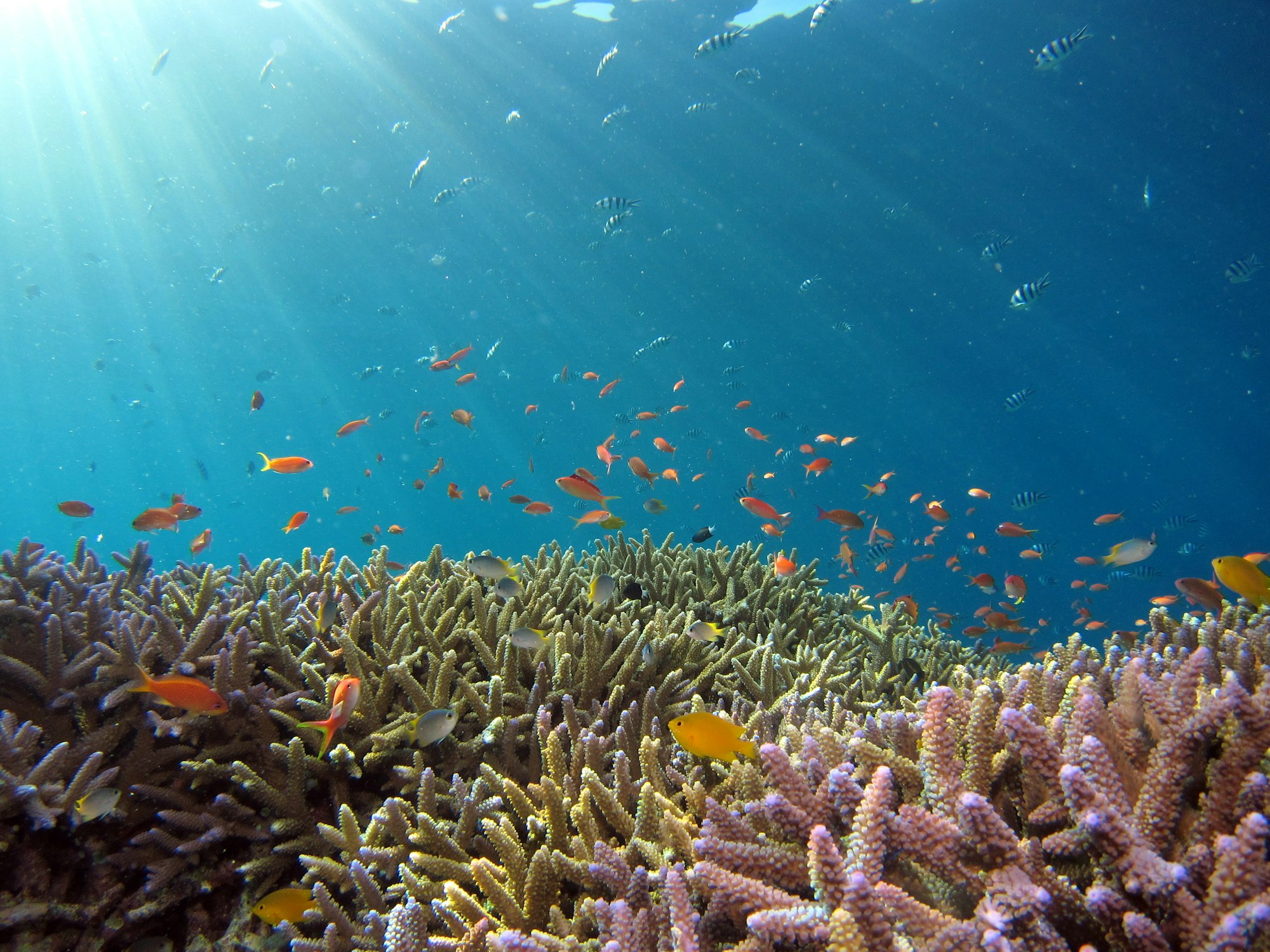
Marsa Asalay is a sandy-bottomed bay covered with seagrass beds, a combination that attracts marine megafauna characteristic of the Marsa Alam region. The site is noted as a location where dugongs (Dugong dugon) have been observed feeding on the seagrass meadows, alongside the gorgeous colourful reef structures that border the bay. In the Marsa Alam area, dugong sightings are largely limited to a handful of locations with suitable seagrass habitat, and Marsa Asalay is one of these.
The typical profile of a Marsa Alam bay site: a sheltered inlet with a broad sandy/seagrass interior, fringing reef along the bay sides, and a drop-off at the bay mouth. Shore diving is feasible from the beach in good weather.
Dive Profile
- Depth: Shallow bay interior (2–8 m over seagrass); reef edges to ~25 m
- Current: Typically low in sheltered bay
- Entry: Shore
- Visibility: Good in calm conditions
Marine Life
Dugong (Dugong dugon) feed on seagrass beds — sightings are possible but not guaranteed. Green sea turtles graze on seagrass; hawksbill turtles are found around the reef sections. The reef borders host parrotfish, angelfish, grouper, and the typical Marsa Alam reef community.
Sources: Reef Oasis Dive Club — Marsa Alam Dive Sites, TripAdvisor — Marsa Asalay. Last updated 2026-05-17.
Sea-surface temperature and wave height from Open-Meteo Marine (ERA5 reanalysis, monthly averages).
139 verified species observations (58 species) logged within ~11 km of this site between 1966 and 2025, from the Ocean Biodiversity Information System.
- Stenella longirostris · Spinner dolphin
- Gobiodon ater
- Tursiops truncatus · Common bottlenose dolphin
- Stenella attenuata · Pantropical spotted dolphin
- Tursiops · Bottlenose dolphins
- Tursiops aduncus · Indian ocean bottlenose dolphin
- Chromodoris quadricolor
- Hexabranchus sanguineus
- Phyllidiella pustulosa
- Phyllidia rueppelii
- Phyllidia multifaria
- Nembrotha megalocera
Scientific survey records skew toward sampled taxa (molluscs, corals) and do not reflect what you are guaranteed to see on a dive.
Source: OBIS (obis.org), aggregated Darwin Core occurrence records.
Conditions change with the tide and the season. If you have dived this site, share what it was actually like — date, visibility, current, and what you saw. Real, recent reports from divers are exactly what this guide is built to collect.
Send a conditions report ›