Marsa Mubarak
25.5095°N 34.6521°E · reef
Marsa Mubarak is one of the most celebrated dive sites on the southern Egyptian Red Sea coast, located near Marsa Alam at approximately 25.51°N, 34.65°E. The bay name translates as “blessed bay” in Arabic. The site is internationally known as a reliable location for close encounters with green sea turtles and dugongs — a combination that makes it unique among Egyptian Red Sea dive destinations.
Overview
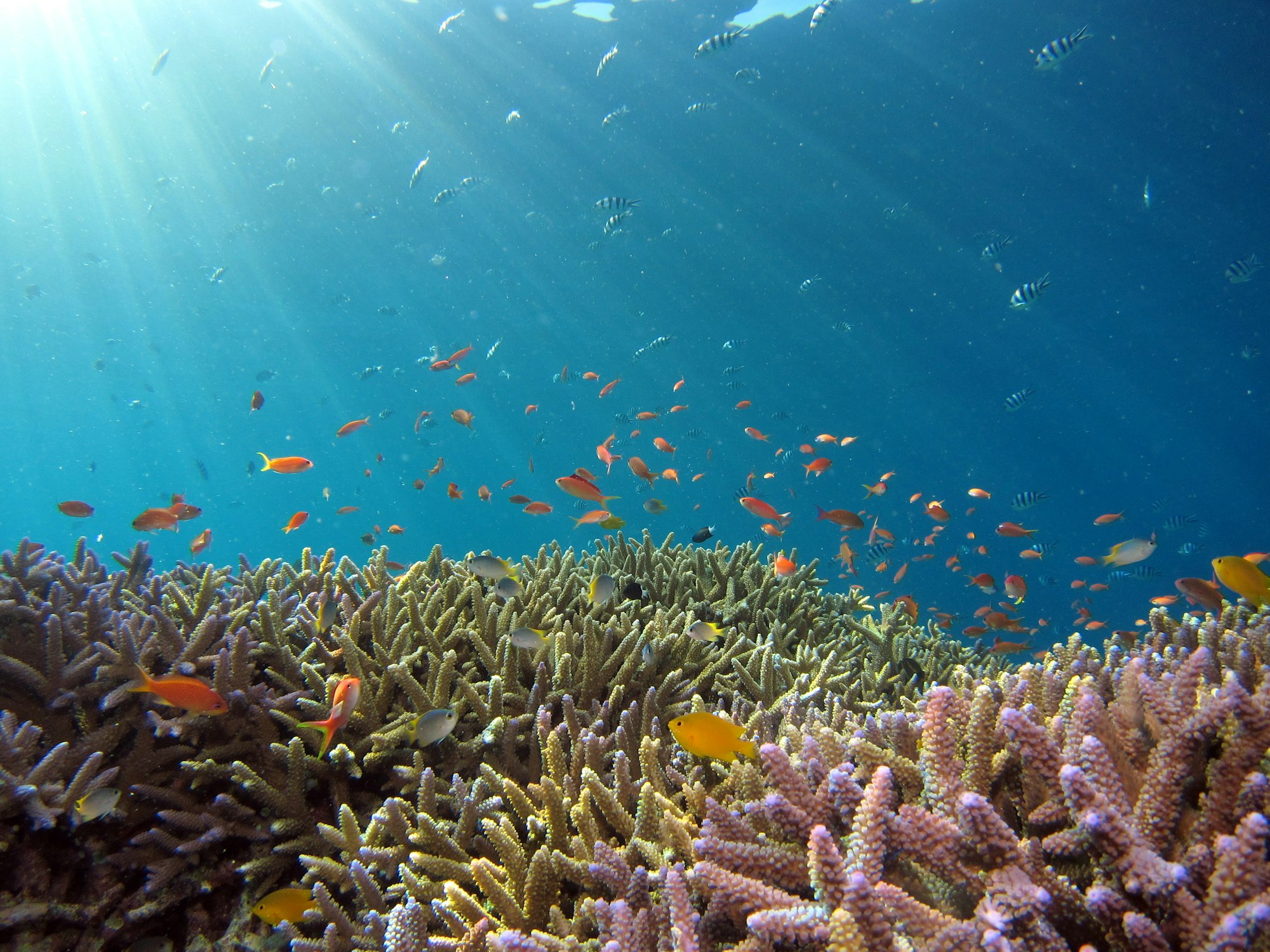
Marsa Mubarak is a protected inlet with a seagrass meadow in the sheltered inner bay that serves as a feeding and resting habitat for green turtles and, notably, dugongs. Dugong sightings at Marsa Mubarak have been documented consistently over many years, making this one of the few accessible dive sites in the Red Sea where dugong encounters occur with some regularity — though they remain wild animals and encounters cannot be guaranteed. The outer bay reef provides solid intermediate diving on healthy coral formations. The combination of the seagrass habitat and coral reef makes Marsa Mubarak an ecologically diverse site that draws both wildlife encounter-focused divers and reef photographers.
Site Information
- Location: Marsa Alam area, southern Red Sea, Egypt
- Entry Type: Boat dive
- Site Type: Reef
- Difficulty Level: Intermediate
- Maximum Depth: 20 meters
- Typical Visibility: 15-25 meters (50-80 feet)
- Current: Mild to moderate within the bay
- Best Time: Year-round; cooler months (October to April) preferred
Marine Life
Green sea turtles are the most reliable large animal encounter at Marsa Mubarak, frequently found grazing the seagrass meadow or resting on the bottom in the bay’s calm sections. Hawksbill turtles also appear but less consistently. Dugongs — large marine mammals related to manatees — feed on the seagrass beds and have been sighted at this bay with enough regularity to give it an international reputation among wildlife divers. The reef portion of the site supports humphead wrasse, groupers, anthias clouds, moray eels, and lionfish. Bottlenose dolphins sometimes pass through the bay, and the seagrass margin attracts a range of sand-associated species.
Dive Profile
The dive typically begins with a descent to the reef from the boat anchor point, followed by a transition to the seagrass area where turtle and dugong sightings are most likely. Move slowly and calmly through the seagrass — disturbance and rapid movement reduces the likelihood of close wildlife encounters. The reef section provides conventional coral diving at 10-20 meters before returning shallower for the animal encounter portion of the dive. Allow adequate air to end the dive at the seagrass depth, which is typically 3-8 meters.
Entry and Exit
Day boats and liveaboards from Marsa Alam access the site regularly. Entry via giant stride from the dive deck. The sheltered bay conditions make surface entry and exit straightforward compared to exposed offshore sites. Deploy SMB before ascending.
Tips and Recommendations
- Move extremely slowly and quietly in the seagrass area — this is the most important technique for close turtle and dugong encounters
- Never chase, touch, or cut off the path of turtles or dugongs — approach slowly from the side and maintain distance until animals choose to approach
- Morning is generally the most productive time for dugong feeding activity in the seagrass
- Ask the dive guide about recent sightings and the specific areas in the bay where animals are currently active
- A 3mm wetsuit is sufficient year-round in this area
Safety Considerations
Encounters with large marine animals require calm, non-threatening diver behaviour — rapid movements, chasing, or surfacing near feeding animals creates safety risks and disturbs wildlife. Maintain neutral buoyancy throughout the seagrass section to avoid damaging the habitat. Fire coral is present on the reef section. Always conduct a full safety stop before surfacing, even in the shallow seagrass area.
Photography
Marsa Mubarak is one of the best sites in the world for natural-history wildlife photography of sea turtles and dugongs in their natural seagrass habitat. Use natural light in the shallow seagrass area — strobes can startle animals. A wide-angle or full-frame fisheye captures the animal in context with its habitat. Patience and stillness will yield frame-filling portraits as animals move closer of their own accord.
Sources: Divezone - Red Sea, Dive the World - Egypt Red Sea, Red Sea Scuba Diving, PADI - Diving in Egypt. Last updated 2026-04-04.
Sea-surface temperature and wave height from Open-Meteo Marine (ERA5 reanalysis, monthly averages).
5 verified species observations (3 species) logged within ~11 km of this site between 1999 and 2006, from the Ocean Biodiversity Information System.
- Tursiops aduncus · Indian ocean bottlenose dolphin
- Stenella longirostris · Spinner dolphin
- Haliotis pustulata
Scientific survey records skew toward sampled taxa (molluscs, corals) and do not reflect what you are guaranteed to see on a dive.
Source: OBIS (obis.org), aggregated Darwin Core occurrence records.
Conditions change with the tide and the season. If you have dived this site, share what it was actually like — date, visibility, current, and what you saw. Real, recent reports from divers are exactly what this guide is built to collect.
Send a conditions report ›