Marsalis Abu Galawa
27.3115°N 33.8000°E · reef
Marsalis Abu Galawa is a reef dive site in the Abu Galawa area south of El Quseir on Egypt’s Red Sea coast, at approximately 27.31°N, 33.80°E. The Abu Galawa bay system — which also includes the nearby Jotao Abu Galawa site — is a collection of protected reef formations in a sheltered lagoon setting, accessible from liveaboards and day boats operating in the central Egyptian Red Sea region.
Overview
Marsalis Abu Galawa sits at a moderate intermediate depth of approximately 20 meters, representing the deeper, outer section of the Abu Galawa reef complex compared to the shallower Jotao site. The reef here benefits from the sheltered lagoon environment that characterises Abu Galawa — reduced wave energy and calmer conditions compared to fully exposed offshore sites — combined with productive marine life that uses the reef structures as habitat and feeding grounds. The site is typically paired with other Abu Galawa dives for a half-day or full-day itinerary.
Site Information
- Location: Abu Galawa area, El Quseir region, Red Sea, Egypt
- Entry Type: Boat dive
- Site Type: Reef
- Difficulty Level: Intermediate
- Maximum Depth: 20 meters
- Typical Visibility: 15-25 meters (50-80 feet)
- Current: Mild to moderate; more exposure on the outer reef sections
- Best Time: October to May
Marine Life
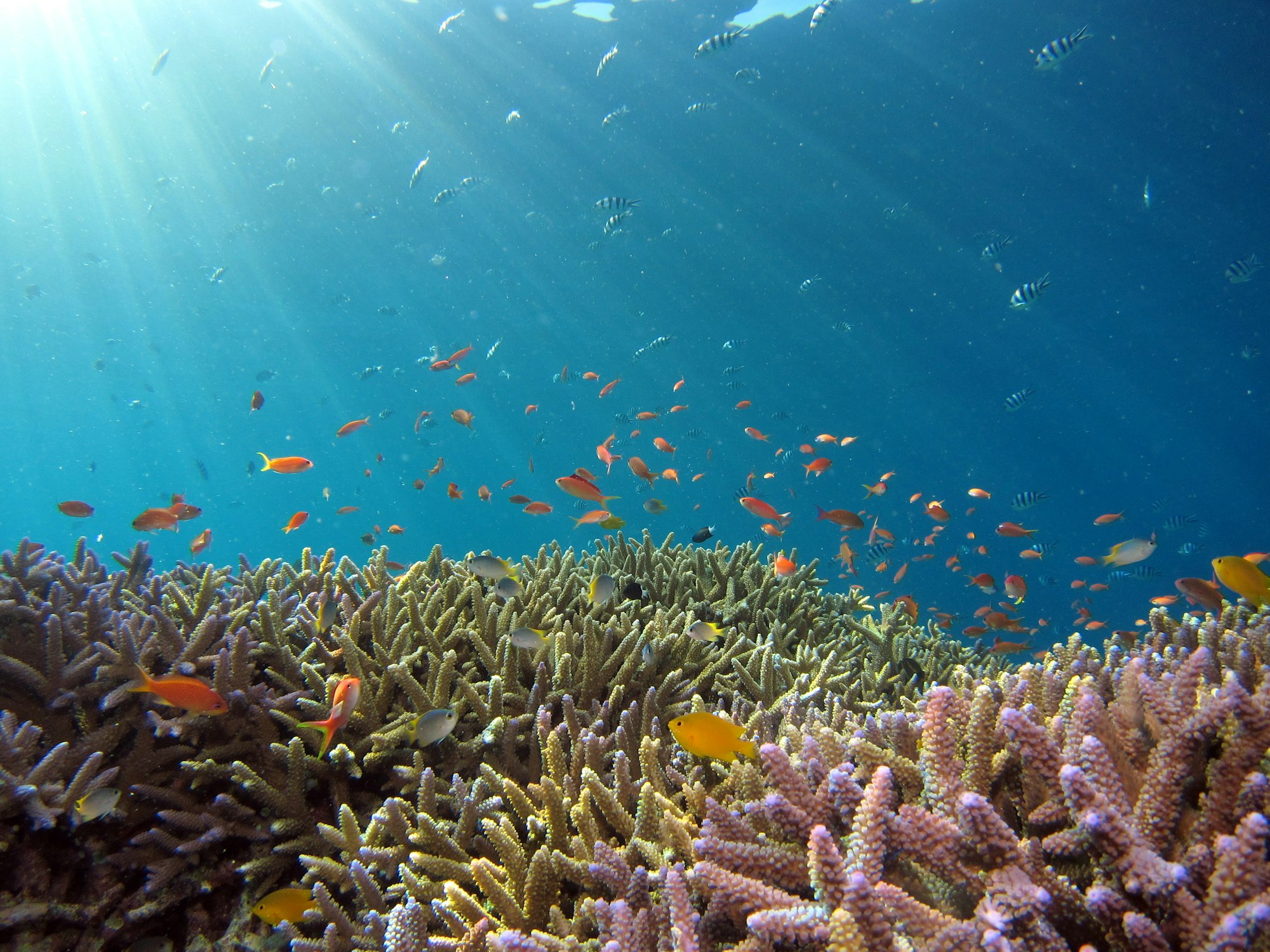
The Abu Galawa reef system is well known in the Marsa Alam dive community for sea turtle encounters — green turtles are commonly found resting and feeding on the seagrass and reef areas throughout this section of coast. The Marsalis section of Abu Galawa offers the reef flat and sloping habitat where humphead wrasse, groupers, and moray eels take up territories. Schools of glassy sweepers and anthias are abundant on the shallow reef structures. Lionfish are present in shaded sections, and the sandy margins support garden eels and stingrays. At the right time of year, spinner dolphins enter the bay area.
Dive Profile
Begin the dive at 10-15 meters on the reef and work outward toward the 20-meter mark along the reef slope. The middle depth range between 10-18 meters is typically the most productive for both coral diversity and fish activity. Work back shallower as air reduces, covering the reef flat and any seagrass patches for turtle encounters before ascending. The site pairs naturally with the shallower Jotao Abu Galawa as a two-dive combination, with Marsalis Abu Galawa done first as the deeper dive.
Entry and Exit
Day boats from El Quseir and liveaboards running the central Egyptian coast access Abu Galawa regularly. Entry via giant stride. The lagoon-sheltered conditions generally provide straightforward surface entry. Deploy SMB before ascending.
Tips and Recommendations
- Plan Marsalis as the first dive if combining with the shallower Jotao site, following standard dive planning principles
- Sea turtle encounters in the Abu Galawa area require slow, patient approach — do not chase or herd turtles
- The protected lagoon environment makes Abu Galawa a reliable backup dive site when northerly winds make exposed offshore reefs inaccessible
- Ask the operator about seasonal conditions — sightings of more unusual species like whale sharks and manta rays have been recorded in this area
Safety Considerations
Conditions in the sheltered Abu Galawa lagoon are generally benign, but the outer reef edges can see moderate current. Fire coral is present on hard coral formations throughout the site. Urchins are common near the sandy seabed margin. Always use an SMB on ascent and conduct a full safety stop.
Photography
The Abu Galawa reef environment rewards patient close-up and macro photography as well as wider reef scenes. Sea turtle portraits in clear, calm water are a site highlight. The anthias and chromis clouds above coral heads shoot beautifully with natural ambient light in the 8-15 meter range.
Sources: Divezone - Red Sea, Dive the World - Egypt Red Sea, Red Sea Scuba Diving, PADI - Diving in Egypt. Last updated 2026-04-04.
Sea-surface temperature and wave height from Open-Meteo Marine (ERA5 reanalysis, monthly averages).
962 verified species observations (306 species) logged within ~11 km of this site between 1758 and 2025, from the Ocean Biodiversity Information System.
- Tursiops aduncus · Indian ocean bottlenose dolphin
- Cheilinus trilobatus
- Anyperodon leucogrammicus
- Pomacentrus
- Pseudochromis olivaceus
- Gobiodon
- Neoglyphidodon melas
- Petroscirtes mitratus
- Doryrhamphus abbreviatus
- Amblygobius albimaculatus
- Amphiprion bicinctus
- Salarias fasciatus
Scientific survey records skew toward sampled taxa (molluscs, corals) and do not reflect what you are guaranteed to see on a dive.
Source: OBIS (obis.org), aggregated Darwin Core occurrence records.
Conditions change with the tide and the season. If you have dived this site, share what it was actually like — date, visibility, current, and what you saw. Real, recent reports from divers are exactly what this guide is built to collect.
Send a conditions report ›