Merlo Reef
20.8446°N 37.4187°E · reef
Merlo Reef is a remote offshore reef site in the southern Red Sea at approximately 20.84°N, 37.42°E. This position places it in the open waters of the central-southern Red Sea, in a region where liveaboards operating Sudanese Red Sea routes or extended southern Egyptian routes may stop. The site is far from any resort coast and representative of the least-explored section of the Egyptian and Sudanese Red Sea.
Overview
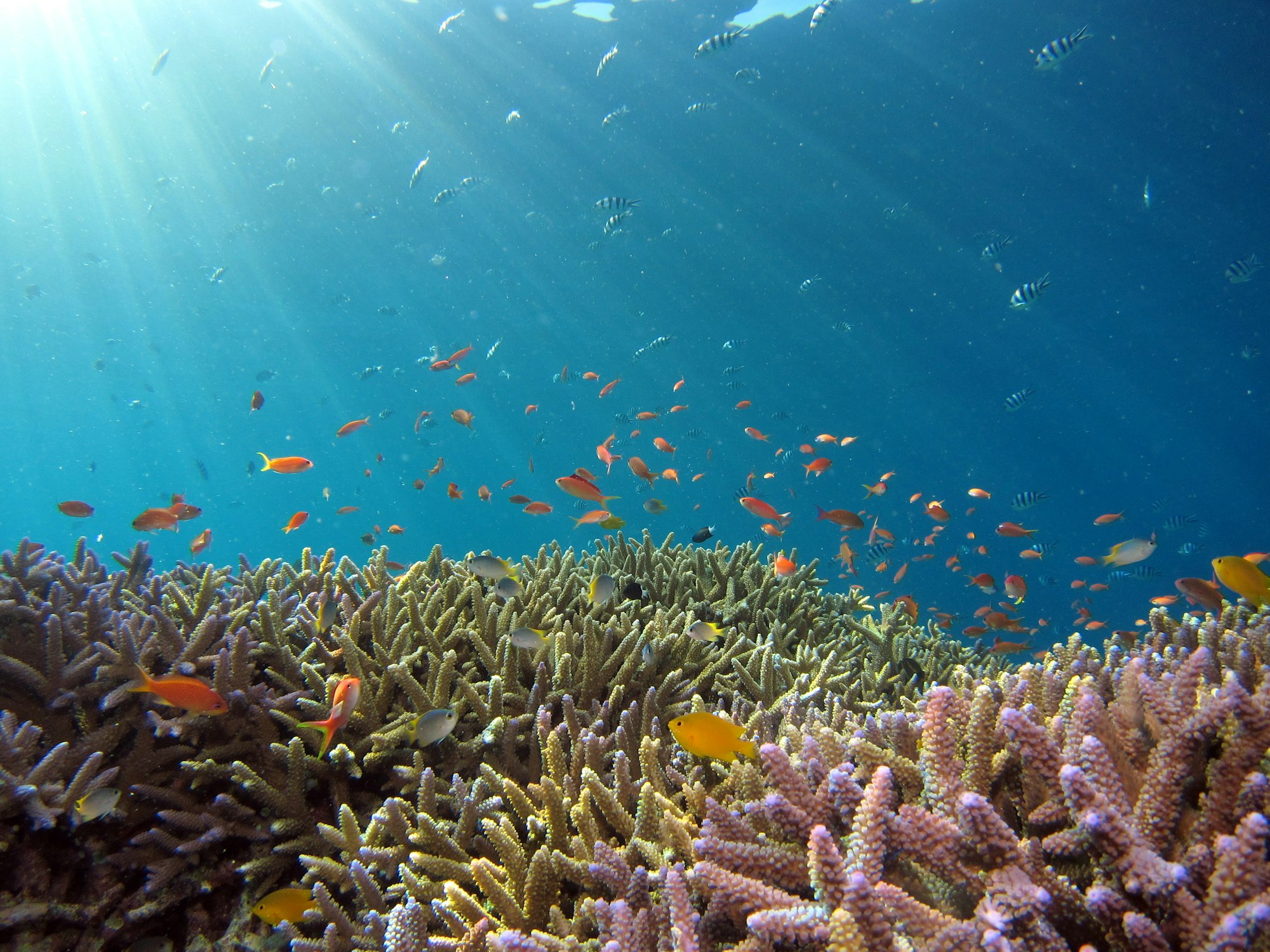
At this latitude in the Red Sea, reefs are influenced by the broader Indian Ocean oceanographic system with seasonally variable conditions and a mix of resident and migratory species. Merlo Reef rises from deeper water as a submerged platform with productive edges at accessible diving depths up to 20 meters. The remote character means virtually no regular recreational diver traffic, and the reef ecosystem reflects this undisturbed state — fish populations are larger, coral coverage more extensive, and animal behaviour less habituated to divers than at northern resort sites. Access is exclusively by liveaboard making extended southern routing.
Site Information
- Location: Southern Red Sea (approximately 20.84°N, 37.42°E)
- Entry Type: Boat dive
- Site Type: Reef
- Difficulty Level: Intermediate
- Maximum Depth: 20 meters
- Typical Visibility: 20-35 meters (65-115 feet)
- Current: Variable; can be strong on exposed reef edges in the open Red Sea
- Best Time: November to April (liveaboard season for southern routes)
Marine Life
The southern and central Red Sea is productive shark habitat, and remote offshore reefs like Merlo are frequented by grey reef sharks, whitetip reef sharks, and potentially silvertip sharks along the deeper edges. Schools of barracuda and trevally use the reef structure as a reference point, and large humphead wrasse are commonly encountered at undisturbed reefs. Sea turtles appear at offshore reef sites throughout this region. The coral reef itself — benefiting from minimal human disturbance — supports dense populations of all the characteristic Red Sea reef species, with hard coral coverage and sea fan development reflecting years of undisturbed growth.
Dive Profile
Descend the mooring or anchor line to the reef top and orient to the site. Work the outer reef edges at 10-20 meters where current-driven fish activity concentrates. Monitor buoyancy carefully on the reef crest — undisturbed reefs often have more fragile, branching coral growth that damages easily. Ascend conservatively with 50 bar reserve and deploy SMB well before the surface given the open water context.
Entry and Exit
Exclusively liveaboard access via southern Red Sea routing. Surface conditions in the open Red Sea can be significantly rougher than sheltered coastal sites — the boat captain will advise on whether conditions are suitable for diving on the day. Entry via giant stride; the boat maintains drift pickup position. Carry a full complement of safety gear including charged SMB, audible signal, and signal mirror.
Tips and Recommendations
- Consider Merlo Reef a genuine expedition dive — the isolation is part of the appeal, but requires corresponding self-sufficiency
- Pre-dive briefing from the guide is essential for understanding current conditions specific to the day
- Nitrox, if available on the liveaboard, extends bottom time at the 15-20 meter range significantly
- Be prepared for the possibility that conditions may not permit diving on any given day in the open Red Sea
Safety Considerations
Remote southern Red Sea sites present maximum self-sufficiency requirements. Emergency services are not available within any reasonable response time. Brief all divers on abort procedures. Currents in the open Red Sea can be stronger and more variable than indicated by tidal predictions alone. Always surface with a deployed SMB. Fire coral is present on all reef surfaces.
Photography
A pristine, rarely-dived reef in clear southern Red Sea water is a superb photography environment. Shoot wide-angle reef panoramas with fish populations that are noticeably larger and calmer than at northern resort sites. Shark encounters at less-visited sites tend to be closer and more investigative — use wide-angle or moderate zoom for reef shark portraits.
Sources: Divezone - Red Sea, Dive the World - Egypt Red Sea, Red Sea Scuba Diving, PADI - Diving in Egypt. Last updated 2026-04-04.
Sea-surface temperature and wave height from Open-Meteo Marine (ERA5 reanalysis, monthly averages).
34 verified species observations (23 species) logged within ~11 km of this site between 1977 and 2009, from the Ocean Biodiversity Information System.
- Enneapterygius abeli
- Chromodoris
- Trapezionida dispar
- Thalamita poissonii
- Plesionika narval
- Catapaguroides pectinipes
- Metopograpsus messor
- Coenobita scaevola
- Pontocaris profundior
- Xiphonectes tenuicaudatus
- Parapenaeus indicus
- Cirolana meseda
Scientific survey records skew toward sampled taxa (molluscs, corals) and do not reflect what you are guaranteed to see on a dive.
Source: OBIS (obis.org), aggregated Darwin Core occurrence records.
Conditions change with the tide and the season. If you have dived this site, share what it was actually like — date, visibility, current, and what you saw. Real, recent reports from divers are exactly what this guide is built to collect.
Send a conditions report ›