Ras Abu Galum
28.6112°N 34.5557°E · reef
Ras Abu Galum is a headland reef site located on the Gulf of Aqaba coastline of the Sinai Peninsula, within the Ras Abu Galum Protectorate — a protected marine and desert landscape north of Dahab. The site is accessible by boat from Dahab or by a desert trail, and is known for its remote character and outstanding reef health due to limited diving pressure.
Overview
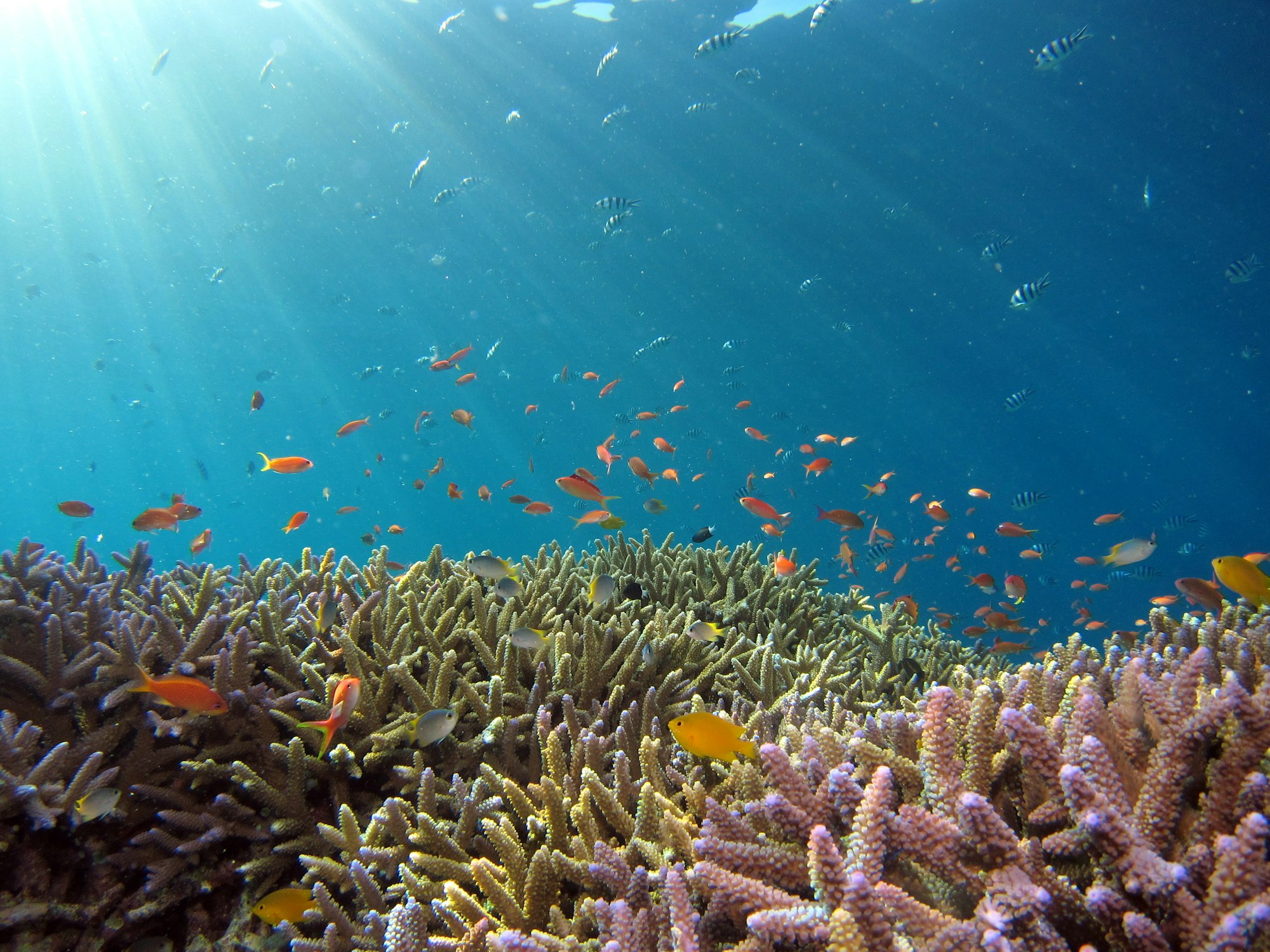
Ras Abu Galum sits at the base of dramatic sandstone cliffs that plunge into the Gulf of Aqaba, and the reef descends steeply from the shoreline to a sandy bottom at around 20 meters. The reef structure here is a classic Gulf of Aqaba fringing reef — narrow at the top and dropping steeply on the seaward face. Coral coverage is excellent and largely undisturbed, with large hard coral formations and healthy soft coral growth throughout the dive zone. Visibility in the clear Gulf of Aqaba waters typically exceeds 25 meters.
Site Information
- Location: Red Sea, Egypt (Gulf of Aqaba, Ras Abu Galum Protectorate, north of Dahab)
- Entry Type: Boat dive
- Site Type: Reef
- Difficulty Level: Intermediate
- Maximum Depth: 20 meters
- Typical Visibility: 25-35 meters (80-115 feet)
- Current: Generally mild in the protected area
- Best Time: September to May
Marine Life
The undisturbed reef at Ras Abu Galum supports a high-density fish community relative to more heavily dived Sinai sites. Large groupers occupy territory beneath deep coral overhangs. Schools of snappers and fusiliers patrol the reef slope in numbers. Moray eels are abundant, and octopus are found throughout. Green and hawksbill turtles are regular residents in this protected area. The sandy bottom below the reef hosts garden eels in dense meadows, a characteristic feature of the Gulf of Aqaba.
Dive Profile
Descend from the boat or shore along the reef face, working down to 15-20 meters before ascending gradually along the slope. The upper reef at 5-10 meters is particularly rich and deserves time during the ascent. The garden eel colonies on the sand at the reef base are worth a brief detour. Complete your safety stop in the shallow coral zone before exiting.
Entry and Exit
Boat access from Dahab, typically a short transfer north along the coast. The protectorate status limits boat traffic, keeping the site uncrowded. Some divers access via the desert trail on foot with full gear — a substantial undertaking. Giant stride or shore entry depending on access method.
Tips and Recommendations
- Ras Abu Galum is a protected area — all marine life and natural features must be left undisturbed
- The garden eel colonies on the sand are impressive but approach slowly and stop well short to avoid them retreating into their burrows
- Combine with Blue Hole or the Canyon at Dahab for a full-day diving program
- The remote desert setting adds to the overall experience — arrive early to enjoy the landscape
Safety Considerations
The steep fringing reef profile requires careful buoyancy control to avoid contact with the coral. The protectorate rules are strictly enforced — do not collect anything or disturb the reef. Standard Gulf of Aqaba conditions apply: monitor depth carefully on the steep outer face and manage air conservatively for the return swim or boat pickup.
Photography
The pristine condition of the reef at Ras Abu Galum makes it an outstanding wide-angle reef photography location. The garden eel meadows on the sand at the reef base are unique macro subjects — approach very slowly and use a long focal length macro lens to capture them without causing retreat. Coral portrait photography in natural light is excellent in the clear Gulf of Aqaba water. The dramatic cliff backdrop visible above the surface adds to the atmosphere of surface shots.
Sources: Divezone - Red Sea, Dive the World - Egypt Red Sea, Red Sea Scuba Diving, PADI - Diving in Egypt. Last updated 2026-04-04.
Sea-surface temperature and wave height from Open-Meteo Marine (ERA5 reanalysis, monthly averages).
453 verified species observations (313 species) logged within ~11 km of this site between 1758 and 2011, from the Ocean Biodiversity Information System.
- Trimma barralli
- Abudefduf saxatilis
- Priacanthus hamrur
- Branchiostegus sawakinensis
- Chaetodon fasciatus
- Parupeneus barberinus
- Trimma avidori
- Chaetodon paucifasciatus
- Caesio striata
- Amphiprion bicinctus
- Bryaninops yongei
- Ostichthys hypsufensis
Scientific survey records skew toward sampled taxa (molluscs, corals) and do not reflect what you are guaranteed to see on a dive.
Source: OBIS (obis.org), aggregated Darwin Core occurrence records.
Conditions change with the tide and the season. If you have dived this site, share what it was actually like — date, visibility, current, and what you saw. Real, recent reports from divers are exactly what this guide is built to collect.
Send a conditions report ›