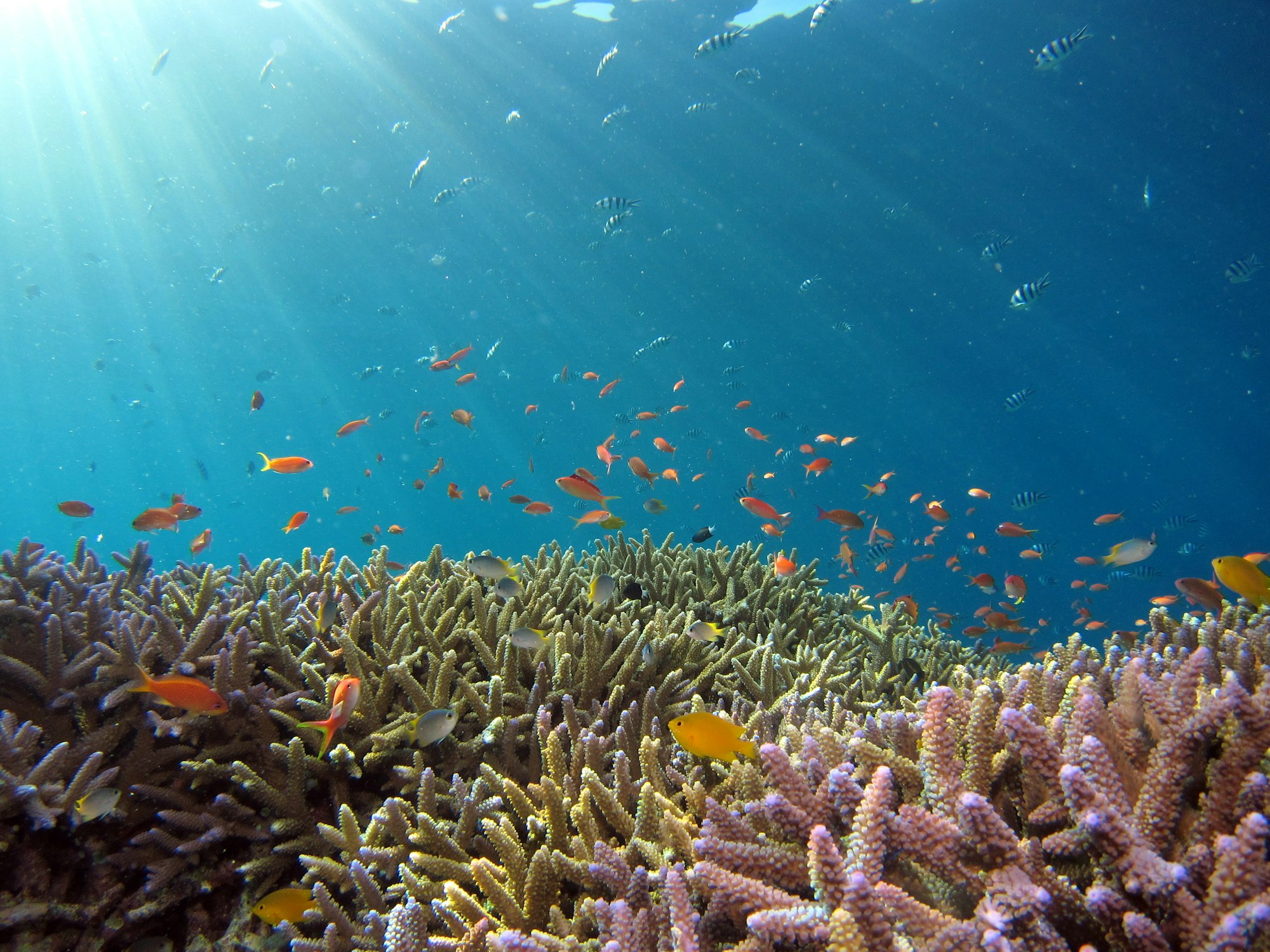
Ras Abu Soma Garden
26.8407°N 34.0007°E · reef
Ras Abu Soma Garden is a reef dive site located at Ras Abu Soma, a headland promontory south of Hurghada on the Egyptian Red Sea coast. The site is positioned on the sheltered side of the headland and is characterized by a gently sloping coral garden — one of the best examples of diverse hard coral coverage in the Hurghada region.
Overview
The “Garden” designation is well-earned: the reef here consists of a broad, gently sloping platform covered in an exceptional density and variety of hard coral species, including large table corals, brain coral domes, intricate plate corals, and stands of branching staghorn. The topography is gentler than typical Red Sea walls, making for relaxed diving across the coral carpet from the reef top at 5-6 meters down to sandy bottom at 20 meters. Visibility averages 20-30 meters and the sheltered position behind the headland keeps conditions calm on most days.
Site Information
- Location: Red Sea, Egypt (Ras Abu Soma, south of Hurghada)
- Entry Type: Boat dive
- Site Type: Reef
- Difficulty Level: Intermediate
- Maximum Depth: 20 meters
- Typical Visibility: 20-30 meters (65-100 feet)
- Current: Typically gentle on the sheltered face
- Best Time: Year-round; September to May optimal
Marine Life
The garden reef supports an exceptionally diverse fish community. humphead wrasse cruise the outer garden edge. Schools of snapper and fusiliers gather over the coral heads, and large aggregations of anthias coat the upper slope. Butterflyfish pairs browse the coral in the typical manner. Spotted eagle rays have been reported over the sand at the base of the garden. Turtles are frequently encountered resting on coral platforms or grazing algae from hard substrate. Nudibranchs and flatworms are present throughout the coral rubble zones for keen macro observers.
Dive Profile
The gentle gradient of this site encourages exploratory diving — descend to the sand at 20 meters and swim back across the garden at leisure, rising gradually through the zones. The coral density is highest between 8-15 meters and rewards slow, methodical swimming to appreciate the variety. Spend your last minutes on the reef top in the shallowest zone before your safety stop.
Entry and Exit
Boat access from Hurghada or El Gouna operators. The calm conditions here make giant stride entry straightforward. Boat pickup after a safety stop deployed SMB at 5 meters.
Tips and Recommendations
- Take time to slow down and examine individual coral heads — the diversity of coral species here is remarkable
- The flat, gentle topography is excellent for student divers working on buoyancy control
- Combine with a wall or deeper dive at the Ras Abu Soma headland for a contrasting second dive
- Morning visits provide the best light for photographing the coral garden
Safety Considerations
The gentle, shallow topography makes this a lower-risk site, but fire coral is present and can cause painful stings to exposed skin. Maintain good buoyancy to avoid contacting the fragile coral formations. The sandy edge of the garden may have limited visibility if currents have disturbed the substrate.
Photography
Ras Abu Soma Garden is arguably the best macro photography reef in the Hurghada region. The coral diversity provides numerous subjects including coral detail portraits, anemonefish in resident anemones, and nudibranchs on coral rubble. Wide-angle photography of the broad coral garden from a few meters above creates compelling reef landscape images. Natural lighting is excellent throughout due to the shallow depths and calm, clear water.
Sources: Divezone - Red Sea, Dive the World - Egypt Red Sea, Red Sea Scuba Diving, PADI - Diving in Egypt. Last updated 2026-04-04.
Sea-surface temperature and wave height from Open-Meteo Marine (ERA5 reanalysis, monthly averages).
86 verified species observations (56 species) logged within ~11 km of this site between 1990 and 2023, from the Ocean Biodiversity Information System.
- Tursiops aduncus · Indian ocean bottlenose dolphin
- Stenella longirostris · Spinner dolphin
- Branchiostoma
- Balaenoptera omurai · Omurai's whale
- Nerita sanguinolenta
- Maculastrombus mutabilis
- Nerita quadricolor
- Hexabranchus sanguineus
- Pirenella conica
- Epimenia
- Conus
- Thuridilla hopei
Scientific survey records skew toward sampled taxa (molluscs, corals) and do not reflect what you are guaranteed to see on a dive.
Source: OBIS (obis.org), aggregated Darwin Core occurrence records.
Conditions change with the tide and the season. If you have dived this site, share what it was actually like — date, visibility, current, and what you saw. Real, recent reports from divers are exactly what this guide is built to collect.
Send a conditions report ›