Ras Bob Reef
27.9633°N 34.4133°E · reef
Ras Bob Reef is a shore-entry reef dive site located in Naama Bay, Sharm el-Sheikh, one of the most iconic and accessible dive destinations in Egypt. The site is a popular beginner and certification dive, positioned within swimming distance of the beach and offering safe, calm conditions for divers of all experience levels.
Overview
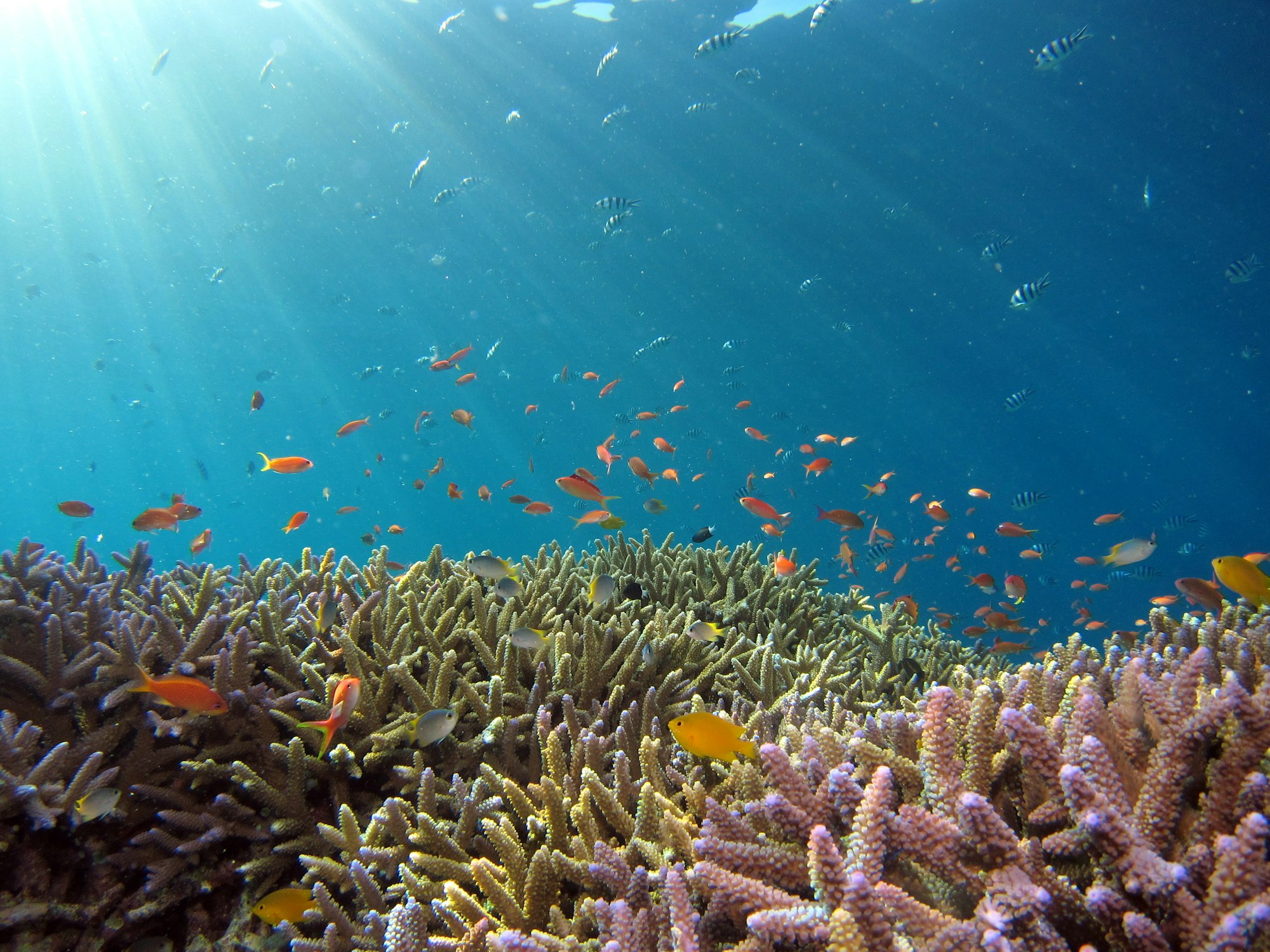
Ras Bob Reef is a classic Sinai fringing reef, beginning just offshore from the Naama Bay waterfront. A shallow reef flat at 3-5 meters extends outward before dropping to a slope that reaches sandy bottom at around 20 meters. The reef is well-dived and may show some wear in the shallowest sections, but the middle and lower sections remain healthy with good hard coral coverage. Visibility in the Gulf of Aqaba water is typically exceptional at 20-30 meters. The protected bay location ensures calm, current-free conditions on most days, making this an ideal site for beginners and check-out dives.
Site Information
- Location: Red Sea, Egypt (Naama Bay, Sharm el-Sheikh, Gulf of Aqaba)
- Entry Type: Shore entry
- Site Type: Reef
- Difficulty Level: Beginner
- Maximum Depth: 20 meters
- Typical Visibility: 20-30 meters (65-100 feet)
- Current: Minimal in the bay
- Best Time: Year-round; October to May optimal
Marine Life
Ras Bob Reef has a friendly, habituated fish community accustomed to regular diver presence. Moray eels are resident throughout the reef crevices and some individuals are hand-fed by dive guides — a practice to observe from a distance but not encourage. Pufferfish, porcupinefish, and angelfish are common. Turtles occasionally visit the bay. Clownfish tend anemones on the reef flat, and glassfish schools swarm near the reef edge. The sandy sections host small, cryptic species including gobies and occasional flatfish.
Dive Profile
Shore entry from the established beach access point. Wade through the shallows carefully to avoid treading on the reef, then swim out until depth is sufficient to descend. Spend your dive exploring the reef slope at 10-18 meters before ascending gradually to the reef flat for a final slow exploration and your safety stop.
Entry and Exit
Shore entry from Naama Bay beach. The entry can involve wading over shallow reef — use appropriate footwear and enter at designated entry points. Exit at the same location, approaching the shore carefully during any swell. This is a popular beach, so be aware of other water users.
Tips and Recommendations
- Use fins-up entry to protect the reef and your fins in the shallows
- Night dives at Ras Bob Reef are outstanding — octopus, cuttlefish, and sleeping parrotfish are reliably found
- This is one of the classic sites for Open Water student training dives in Sharm el-Sheikh
- Arrive early on busy days — the beach and entry area can become congested with multiple dive groups
Safety Considerations
The shallow reef flat has fire coral patches that must not be contacted. Moray eels in this area are accustomed to feeding and can behave unpredictably — maintain distance. Despite calm bay conditions, always carry an SMB. Watch for boat traffic in the bay, particularly when surfacing away from the designated swimming area.
Photography
Night diving at Ras Bob offers some of the best accessible macro photography in Sharm el-Sheikh. Octopus, cuttlefish, and sleeping reef fish are cooperative subjects. Day dives provide good clownfish and anemone photography on the shallow reef flat. The clear Gulf of Aqaba water allows natural light photography at greater depth than typical Red Sea sites — the 15-meter zone can still receive usable natural light on sunny mornings.
Sources: Divezone - Red Sea, Dive the World - Egypt Red Sea, Red Sea Scuba Diving, PADI - Diving in Egypt. Last updated 2026-04-04.
Sea-surface temperature and wave height from Open-Meteo Marine (ERA5 reanalysis, monthly averages).
221 verified species observations (103 species) logged within ~11 km of this site between 1968 and 2022, from the Ocean Biodiversity Information System.
- Grampus griseus · Risso's dolphin
- Stenella attenuata · Pantropical spotted dolphin
- Tursiops truncatus · Common bottlenose dolphin
- Rhincodon typus · Whale Shark
- Stenella longirostris · Spinner dolphin
- Tursiops · Bottlenose dolphins
- Tursiops aduncus · Indian ocean bottlenose dolphin
- Stenella · Spinner dolphins
- Silhouettea aegyptia
- Trimma flavicaudatum
- Bathygobius fuscus
- Istigobius decoratus
Scientific survey records skew toward sampled taxa (molluscs, corals) and do not reflect what you are guaranteed to see on a dive.
Source: OBIS (obis.org), aggregated Darwin Core occurrence records.
Conditions change with the tide and the season. If you have dived this site, share what it was actually like — date, visibility, current, and what you saw. Real, recent reports from divers are exactly what this guide is built to collect.
Send a conditions report ›