Rocky West
23.5631°N 36.2423°E · reef
Rocky West is a coral reef dive site adjacent to Rocky South in the central Egyptian Red Sea. The western exposure of this reef system receives different current and light conditions compared to its southern counterpart, producing a complementary dive character. The two sites are typically combined on day-boat itineraries for back-to-back dives covering both aspects of the same reef structure.
Overview
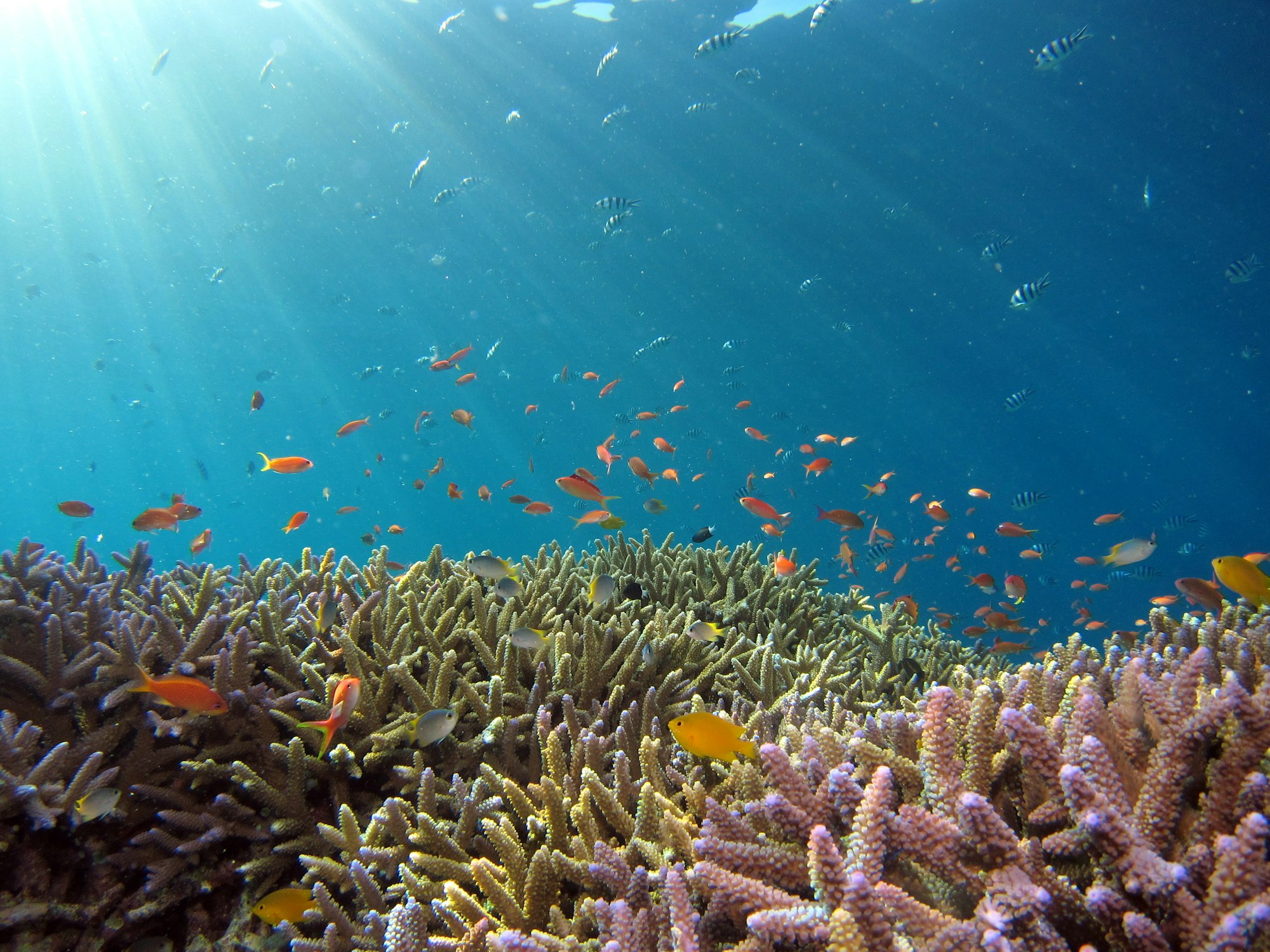
The western face of Rocky Reef slopes at a moderate angle from the shallow crest to a sandy bottom at around 18–20 meters. The site is sheltered from the dominant northerly current that sweeps the southern face, making conditions generally calmer here than at Rocky South. This sheltered aspect means the western wall accumulates softer sediment on its ledges and supports a different community of coral — more delicate branching forms and lettuce corals occupy the less-exposed sections. The reduced current also makes Rocky West suitable for slower, more exploratory diving. Afternoon light strikes the western face well, making it a productive second dive.
Site Information
- Location: Red Sea, Egypt (central region)
- Entry Type: Boat dive
- Site Type: Reef
- Difficulty Level: Intermediate
- Maximum Depth: 20 meters
- Typical Visibility: 20-30 meters (65-100 feet)
- Current: Light to moderate (sheltered face)
- Best Time: October to May
Marine Life
The calmer conditions on the western face allow sedentary species to establish more readily. Blue-spotted stingrays rest on sandy patches at the base of the reef. Reef octopus are more common here than on the current-swept southern face, using the sheltered crevices for dens. Moray eels are abundant in the coral heads. Hawkfish perch on branching coral structures. Scorpionfish are well-camouflaged on the rocky reef base and require careful looking. The deeper sandy zones host garden eels and flatfish. humphead wrasse cruise through at reef-edge depth.
Dive Profile
Descend to the reef crest and navigate west along the slope to the sandy base. The best coral coverage is in the 8–15 meter zone. Explore the crevices and overhangs on the western wall, which tend to shelter interesting invertebrates and resting fish. The sandy base at 18–20 meters is worth inspection for rays and garden eels. Ascend the slope and perform a safety stop near the reef crest before surfacing.
Entry and Exit
Access by day boat or liveaboard. Giant stride or back roll entry. Calmer conditions make entry and exit more straightforward here than at Rocky South. Ascend on the reef and deploy an SMB at the safety stop for boat coordination. The sheltered aspect means surface conditions are generally good.
Tips and Recommendations
- Dive Rocky West as the second dive after Rocky South to contrast both exposures
- The calmer conditions make this site well-suited to macro work and photography of small reef inhabitants
- Afternoon diving on the western face takes advantage of natural sidelighting on the coral
- Check crevices carefully — this is a productive site for octopus and resting fish
Safety Considerations
Although generally calmer than the southern face, current can funnel around the reef tips and create unexpected acceleration. Always carry an SMB for open-water ascents. Fire coral occurs on the reef crest. Scorpionfish are well-camouflaged; avoid placing hands or knees on the reef bottom. Always dive with a buddy.
Photography
The western face’s calmer conditions favor macro and close-focus photography. Octopus, moray eels, and blue-spotted rays are reliable portrait subjects. The branching coral formations in the shallower sections are elegant wide-angle subjects with good backscatter control in cleaner water. Afternoon dives produce warm sidelighting on the western wall.
Sources: Divezone - Red Sea, Dive the World - Egypt Red Sea, Red Sea Scuba Diving, PADI - Diving in Egypt. Last updated 2026-04-04.
Sea-surface temperature and wave height from Open-Meteo Marine (ERA5 reanalysis, monthly averages).
9 verified species observations (3 species) logged within ~11 km of this site between 2004 and 2013, from the Ocean Biodiversity Information System.
- Stenella longirostris · Spinner dolphin
- Pseudorca crassidens · False killer whale
- Tursiops · Bottlenose dolphins
Scientific survey records skew toward sampled taxa (molluscs, corals) and do not reflect what you are guaranteed to see on a dive.
Source: OBIS (obis.org), aggregated Darwin Core occurrence records.
Conditions change with the tide and the season. If you have dived this site, share what it was actually like — date, visibility, current, and what you saw. Real, recent reports from divers are exactly what this guide is built to collect.
Send a conditions report ›