Rose Reef
22.3063°N 38.8853°E · reef
Rose Reef is an offshore coral reef located in the Farasan Banks area of the southern Red Sea, near the Saudi-Yemeni maritime border zone. At coordinates placing it near 22.3°N, 38.9°E, the site lies in the remote southern Red Sea — a region characterized by pristine, rarely-dived reefs, exceptional visibility, and a diverse mix of coral and pelagic life that benefits from very low diver pressure.
Overview
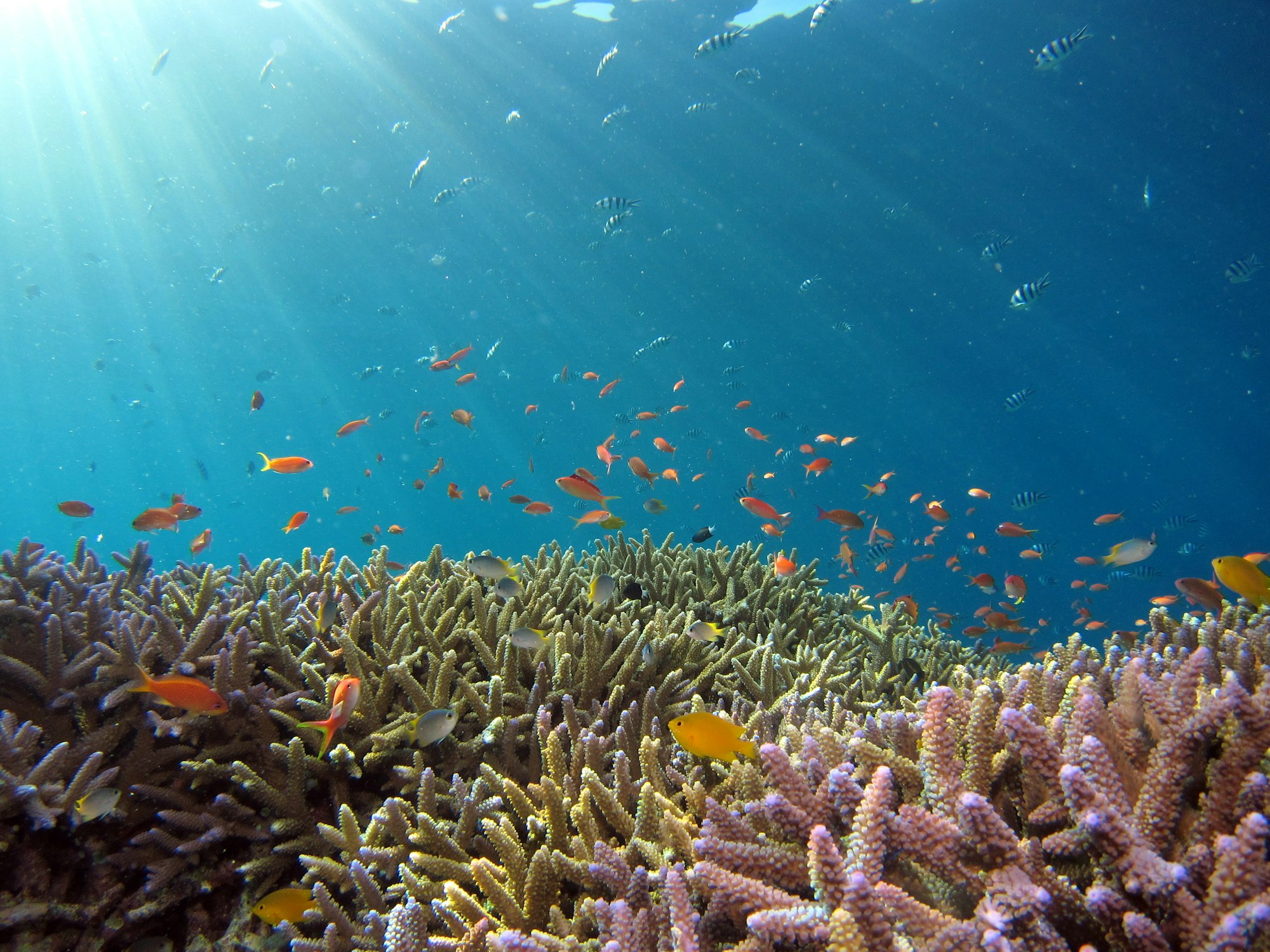
Rose Reef sits on the shallow platform of the Farasan Banks, an extensive reef system in the southern Red Sea that is among the least visited diving areas in the region. The reef is characterized by a broad coral flat coming to within a few meters of the surface, surrounded by sloping walls dropping to 20 meters and beyond. The isolation of this area means corals are exceptionally healthy and fish life is abundant and unhabituated. Visibility in this region regularly exceeds 30 meters. Access is exclusively by liveaboard; no shore-based diving operations serve this area.
Site Information
- Location: Farasan Banks / southern Red Sea
- Entry Type: Boat dive
- Site Type: Reef
- Difficulty Level: Intermediate
- Maximum Depth: 20 meters
- Typical Visibility: 25-40 meters (80-130 feet)
- Current: Moderate to strong
- Best Time: October to April
Marine Life
The low diver pressure of the southern Red Sea means fish behavior is relaxed and natural here. Large humphead wrasse are curious and approach divers closely. Schools of snapper and fusiliers pack the upper reef. Sea turtles are frequent, resting on the coral platform and in the shallows. Grey reef sharks cruise the outer reef edges with minimal wariness. The coral formations support dense anthias and butterflyfish communities. In the southern Red Sea, manta rays are encountered at certain seasons, and whale sharks have been reported by liveaboard operators in the area.
Dive Profile
Descend to the reef flat and explore the coral gardens before working outward to the sloping reef edge. The slope from 5 to 20 meters offers the best combination of coral health and fish diversity. The transition zone between reef flat and slope is particularly productive. Safety stop at 3–5 meters on the reef flat, which is typically shallow and well-lit.
Entry and Exit
Liveaboard access only. Entry by skiff tender and giant stride. The area is remote; dive guide briefings must cover emergency procedures and communication protocols given the distance from any support infrastructure. SMB deployment is mandatory on all ascents.
Tips and Recommendations
- The southern Red Sea rewards patient divers — move slowly and observe
- Fish here are far less skittish than at heavily-dived northern Red Sea sites
- Combine with other Farasan Banks sites for a full south Red Sea liveaboard experience
- Carry a torch — even in clear water, the overhangs shelter interesting invertebrates
Safety Considerations
Remote location is the primary consideration — emergency evacuation from this area is a multi-hour operation. Dive conservatively and within your training. Currents can accelerate at reef tips and passes. Always deploy an SMB for open-water ascents. Fire coral is present on the reef crest sections.
Photography
The pristine reef condition and high visibility make Rose Reef an outstanding photography location. Natural-behavior shots of unhabituated fish are possible here that would be difficult at busier sites. Wide-angle reef landscapes with exceptional clarity, humphead wrasse portraits, and turtle encounters are the headline subjects.
Sources: Divezone - Red Sea, Dive the World - Egypt Red Sea, Red Sea Scuba Diving, PADI - Diving in Egypt. Last updated 2026-04-04.
Sea-surface temperature and wave height from Open-Meteo Marine (ERA5 reanalysis, monthly averages).
2074 verified species observations (302 species) logged within ~11 km of this site between 2011 and 2020, from the Ocean Biodiversity Information System.
- Neoniphon sammara
- Acanthurus nigrofuscus
- Halichoeres hortulanus
- Cephalopholis argus
- Chaetodon auriga
- Lutjanus kasmira
- Pygoplites diacanthus
- Gobiidae
- Dascyllus trimaculatus
- Muraenidae
- Eviota
- Pycnochromis dimidiatus
Scientific survey records skew toward sampled taxa (molluscs, corals) and do not reflect what you are guaranteed to see on a dive.
Source: OBIS (obis.org), aggregated Darwin Core occurrence records.
Conditions change with the tide and the season. If you have dived this site, share what it was actually like — date, visibility, current, and what you saw. Real, recent reports from divers are exactly what this guide is built to collect.
Send a conditions report ›