Sadana
26.9136°N 33.9605°E · reef
Sadana is an archaeological wreck dive site in the Egyptian Red Sea, approximately 35 km south of Hurghada, at the foot of the reef north of the Sadana Islands.
Overview
The Sadana Island Shipwreck is one of the most significant 18th-century maritime archaeological discoveries in the Red Sea. The vessel — an Ottoman-period merchant ship approximately 50 metres long, 18 metres wide, and capable of carrying around 900 tons — sank circa 1764, a date inferred from a hijri inscription on the captain’s cookware. It lies at the base of the reef at depths ranging from 27 to 45 metres.
The wreck was located during a 1994 survey and subsequently excavated between 1995 and 1998 by the Institute of Nautical Archaeology (INA) in cooperation with Egypt’s Supreme Council of Antiquities. Over approximately 5,000 dives, researchers recovered more than 3,000 artefacts. The cargo included a large collection of Chinese Qing Dynasty porcelain manufactured for the Islamic market, unroasted coffee, Indian pepper, coriander, cardamom, frankincense, coconuts, glass bottles, and ceramic water jars. The absence of cannons or armaments suggests the vessel operated exclusively within Ottoman-controlled Red Sea waters, carrying trade goods northbound toward Suez. A copper basin inscribed with the name “Captain Musa Mahmoud” was among the personal artefacts recovered.
The wreck’s construction represents a hull form hitherto undocumented for this period, with possible origins in Indian or Egyptian shipyards, reflecting the broader international trading connections of 18th-century Ottoman commerce.
Dive Profile
The site is accessible only by boat. Depths range from 27 m at the shallowest structural elements to 45 m at the deepest sections of the hull, placing it at the limit for recreational single-cylinder diving and making bottom time relatively short on air. The reef structure provides context for the wreck’s position, and the surrounding reef walls host typical Red Sea coral growth. Visibility averages 15–25 m. The wreck is considered an active archaeological site — artefacts covered by sandbags during excavation remain in situ.
Marine Life
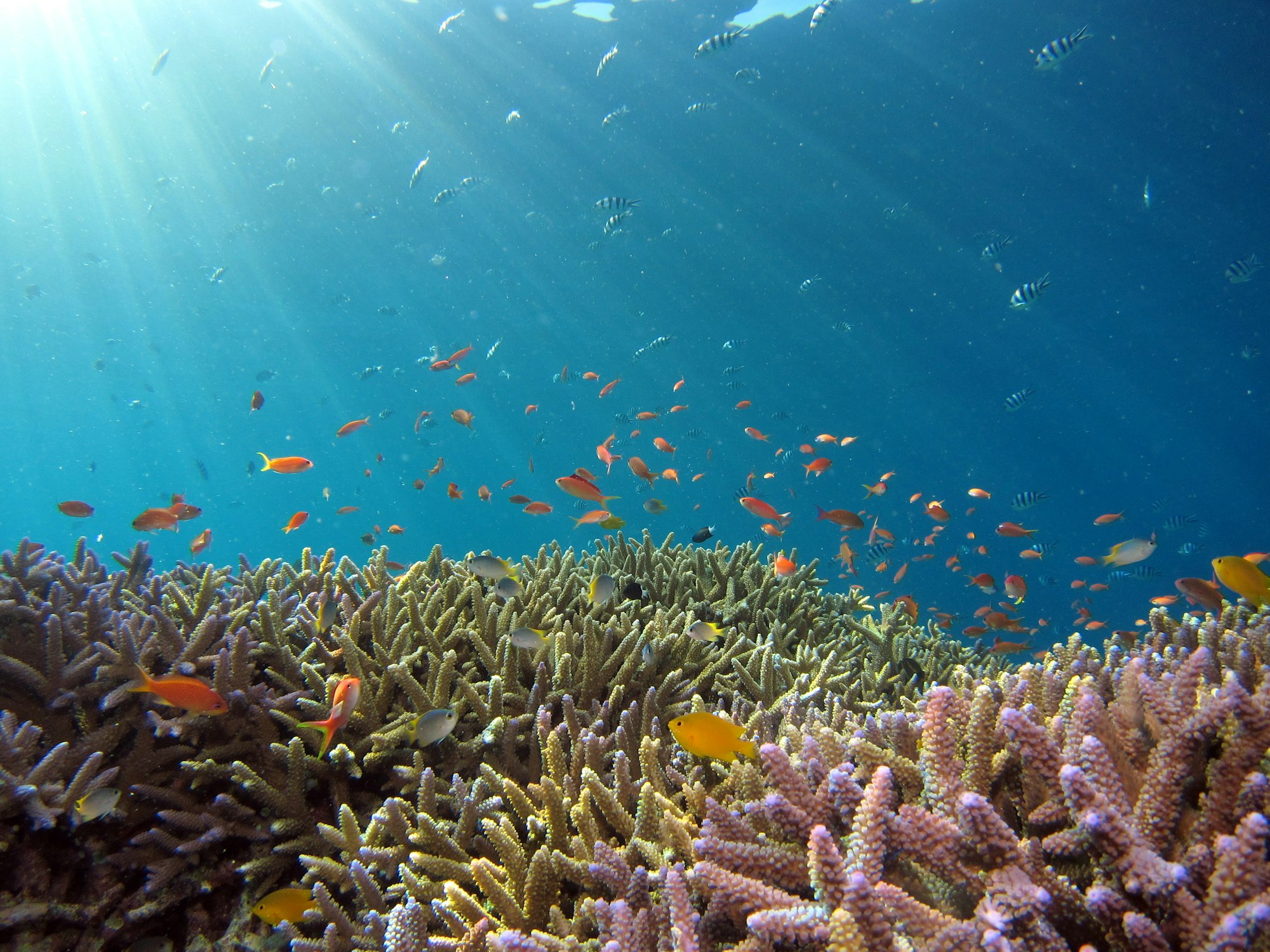
The structure has begun attracting encrusting corals and soft corals, along with the reef fish typical of this section of the Egyptian Red Sea — grouper, snapper, fusiliers, and glassfish sheltering in the wreck’s structural voids.
Wreck History
- Vessel type: Ottoman merchant ship (large trading dhow / vessel of unclassified hull type)
- Approximate sinking date: c. 1764
- Dimensions: ~50 m length, ~18 m beam, ~900 tons capacity
- Cargo: Chinese Qing Dynasty porcelain (Islamic market export), coffee, spices, frankincense, glass, ceramic water jars
- Excavation: INA / Egypt Supreme Council of Antiquities, 1995–1998
- Depth: 27–45 m
Sources confirm the c. 1764 date, 50 m length, and cargo composition independently (Aramco World 2000; UNESCO Silk Roads Programme; INA Adventurecorps reports).
Sources: Saudi Aramco World — The Sadana Islands Shipwreck, INA Sadana Island Shipwreck Project, Honor Frost Foundation. Last updated 2026-05-17.
Sea-surface temperature and wave height from Open-Meteo Marine (ERA5 reanalysis, monthly averages).
75 verified species observations (62 species) logged within ~11 km of this site between 1992 and 2009, from the Ocean Biodiversity Information System.
- Branchiostoma
- Balaenoptera omurai · Omurai's whale
- Stenella longirostris · Spinner dolphin
- Tursiops aduncus · Indian ocean bottlenose dolphin
- Rhincodon typus · Whale Shark
- Nerita sanguinolenta
- Maculastrombus mutabilis
- Nerita quadricolor
- Atactodea striata
- Pirenella conica
- Quadrans sericatus
- Clanculus pharaonius
Scientific survey records skew toward sampled taxa (molluscs, corals) and do not reflect what you are guaranteed to see on a dive.
Source: OBIS (obis.org), aggregated Darwin Core occurrence records.
Conditions change with the tide and the season. If you have dived this site, share what it was actually like — date, visibility, current, and what you saw. Real, recent reports from divers are exactly what this guide is built to collect.
Send a conditions report ›