Saddle
28.5721°N 34.5376°E · reef
Saddle is a shallow shore-entry reef site in the northern Red Sea, Egypt, situated in the Gulf of Aqaba near Nuweiba. The name references the saddle-shaped profile of the reef, which dips gently between two raised coral ridges before leveling out on a sandy bottom at around 6 meters.
Overview
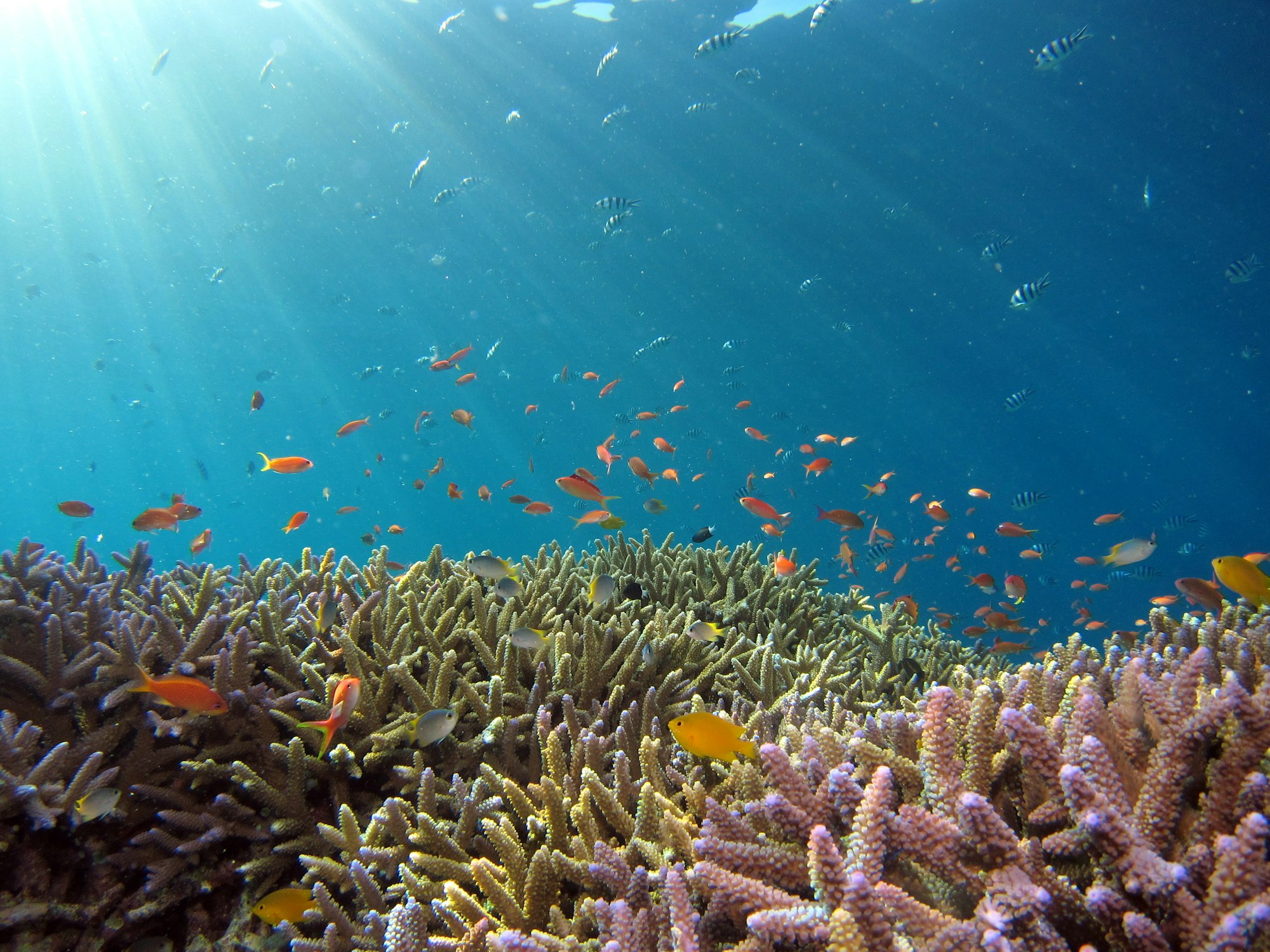
Saddle is an ideal site for beginners and snorkelers, offering a calm, sheltered environment with good year-round conditions. The very shallow maximum depth makes it forgiving for those building confidence underwater. Despite the limited depth, the reef supports a healthy community of hard corals, including branching acropora and brain corals, interspersed with patches of rubble and sand that attract a different range of organisms. The Gulf of Aqaba is well known for exceptional water clarity, and visibility at Saddle routinely exceeds 20 meters even at this modest depth.
Site Information
- Location: Gulf of Aqaba, northern Red Sea, Egypt
- Entry Type: Shore entry
- Site Type: Reef
- Difficulty Level: Beginner
- Maximum Depth: 6 meters
- Typical Visibility: 20-30 meters (65-100 feet)
- Current: Generally mild
- Best Time: Year-round; October to May preferred
Marine Life
The shallow reef at Saddle is teeming with reef fish. Expect schools of sergeant majors and chromis hovering over the coral, along with parrotfish grazing on encrusted surfaces. Butterflyfish pick across the coral heads while pufferfish drift through the water column. Gobies and blennies occupy sandy patches near the coral base, and small moray eels occupy crevices in the reef structure. Nudibranchs and small invertebrates reward patient observers looking closely at rubble zones.
Dive Profile
Wade in from shore and fin out over the reef flat until the sandy saddle appears below. The dive follows the gently undulating reef profile, exploring both the coral ridges and the sandy channels between them. There is no need for a deep dive plan here — the entire site is accessible within the first 6 meters. Spend time hovering slowly over the coral, looking into crevices and under ledges. A safety stop is not mandatory at this depth, but best practice recommends a brief pause at 3–5 meters before surfacing.
Entry and Exit
Entry is directly from shore over a flat reef shelf. Wear booties or hard-soled dive socks to protect against sharp reef and sea urchins in the entry zone. Fin out over the reef crest — avoid stepping on coral. Exit at the same point, taking care during surge if wind conditions have picked up. Early morning entries typically offer the calmest surface conditions.
Tips and Recommendations
- Ideal first open-water dive for new or recently certified divers
- Snorkeling is also excellent here given the shallow depth
- Bring a macro lens — small invertebrates and nudibranchs are common
- Early morning light makes for excellent photography conditions
- Avoid touching the reef — even light contact can damage coral polyps
Safety Considerations
The site is generally safe and calm, but sea urchins are present in the entry zone — watch your footing. Fire coral can cause skin irritation; exposure suits are recommended. Boat traffic may be present in the area, so surface with an SMB or stay close to the shore entry corridor. The very shallow depth means decompression sickness risk is minimal, but proper ascent habits should still be practiced.
Photography
The shallow depth and excellent natural light make Saddle an outstanding photography site throughout the day. Wide-angle shots of coral formations are productive in the morning when the sun angles directly through the water. Macro photographers will find nudibranchs, small gobies, and ornate reef invertebrates on the coral rubble and between coral heads.
Sources: Divezone - Red Sea, Dive the World - Egypt Red Sea, Red Sea Scuba Diving, PADI - Diving in Egypt. Last updated 2026-04-04.
Sea-surface temperature and wave height from Open-Meteo Marine (ERA5 reanalysis, monthly averages).
313 verified species observations (254 species) logged within ~11 km of this site between 1968 and 2024, from the Ocean Biodiversity Information System.
- Trimma barralli
- Aseraggodes macronasus
- Siganus · Black Spinefoot
- Priolepis cincta · Banded Reef Goby
- Haliophis guttatus
- Gobiodon irregularis
- Tursiops aduncus · Indian ocean bottlenose dolphin
- Gobiodon fuscoruber
- Pteraeolidia ianthina
- Chelidonura livida
- Gymnodoris striata
- Phyllidiella pustulosa
Scientific survey records skew toward sampled taxa (molluscs, corals) and do not reflect what you are guaranteed to see on a dive.
Source: OBIS (obis.org), aggregated Darwin Core occurrence records.
Conditions change with the tide and the season. If you have dived this site, share what it was actually like — date, visibility, current, and what you saw. Real, recent reports from divers are exactly what this guide is built to collect.
Send a conditions report ›