Sand Island
22.2533°N 39.0237°E · reef
Sand Island is a reef site in the central Red Sea, Egypt, located in the vicinity of Al Qunfudhah along the Saudi Arabian coast — an area where the Red Sea widens and scattered islands and shoals create varied diving terrain. The coordinates place this site in waters frequented by liveaboards operating in the central Red Sea corridor.
Overview
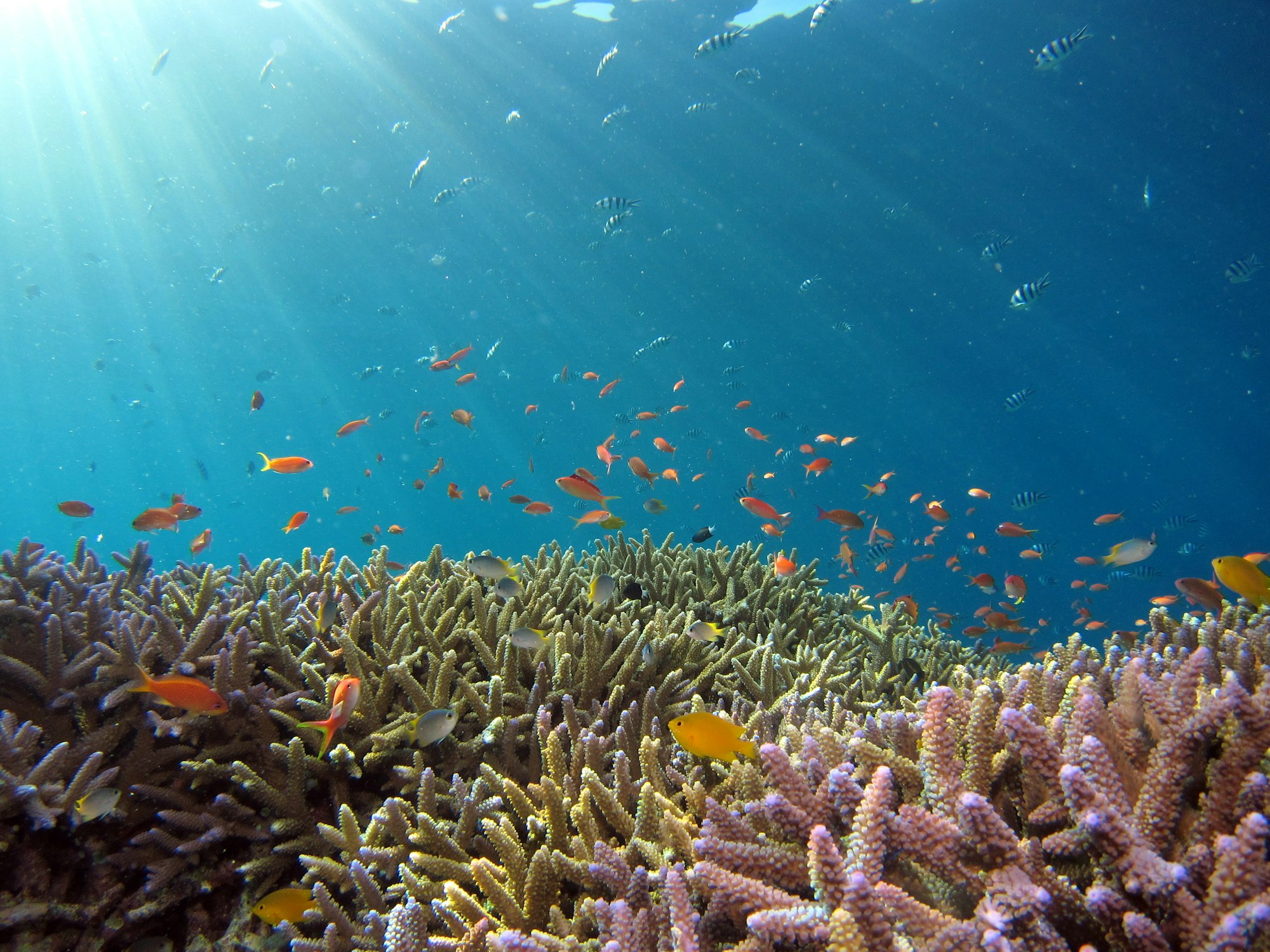
Sand Island is a relatively low-relief reef system characterized by sand and rubble flats at its base, with coral bommies and scattered reef structures rising from the seafloor. The site’s name reflects the sandy substrate that dominates the shallower areas. While not as dramatic as the abrupt vertical walls found further north, Sand Island offers accessible intermediate diving with good opportunities for reef fish observation and smaller pelagic encounters. Water clarity in this region is typically excellent, with visibility regularly reaching 25 meters or more.
Site Information
- Location: Central Red Sea, Egypt
- Entry Type: Boat dive
- Site Type: Reef
- Difficulty Level: Intermediate
- Maximum Depth: 20 meters
- Typical Visibility: 20-30 meters (65-100 feet)
- Current: Moderate
- Best Time: October to May
Marine Life
The reef bommies at Sand Island support a typical central Red Sea reef fish community. Schools of anthias hover above the coral structures, and butterflyfish, parrotfish, and wrasse are ubiquitous. Moray eels and lionfish are resident in the coral crevices. The sandy areas between reef structures are productive for flatfish, stingrays, and garden eels. Turtles are seen regularly throughout this part of the Red Sea. In favorable conditions, spinner dolphins may be encountered in the surrounding blue water.
Dive Profile
Begin at the reef crest, which rises to around 5–8 meters in the shallowest sections. Follow the gently sloping terrain down to the sand at approximately 20 meters. Navigate around the bommies and smaller isolated coral heads, checking crevices and overhangs along the way. The sandy bottom between structures often reveals half-buried stingrays and sand-dwelling flatfish. Complete the dive by working back up the slope toward the shallows for your safety stop.
Entry and Exit
Access is by dive boat from a liveaboard or local day-trip vessel. Entry via giant stride or back roll from the boat. Descend on the mooring or anchor line if one is deployed. At the end of the dive, ascend to 5 meters for a 3-minute safety stop and deploy an SMB before surfacing for boat pickup.
Tips and Recommendations
- Explore the sandy channels between reef structures for stingrays and sand-dwelling species
- Night dives at this type of site reveal different behavior and species not seen during the day
- Maintain neutral buoyancy over the sand to avoid silting up the reef base
- A wide-angle lens captures reef bommies and sand flats in a single frame
- Check with your liveaboard guide on current direction before planning your route
Safety Considerations
Currents can run along the reef edge; stay aware of your position relative to the mooring line and boat. Fire coral is present on coral structures — exposure suits prevent stings. Lionfish are common in reef crevices; avoid reaching blindly into holes. Always ascend with adequate air for a safety stop and deploy an SMB when surfacing away from the vessel.
Photography
The combination of coral bommies and clean sand flats provides good compositional variety. Wide-angle shots looking up at bommie peaks with light rays are effective in the morning. Sand-dwelling creatures — stingrays, flatfish, garden eels — make distinctive macro subjects. Anthias-covered coral heads are photogenic in available light.
Sources: Divezone - Red Sea, Dive the World - Egypt Red Sea, Red Sea Scuba Diving, PADI - Diving in Egypt. Last updated 2026-04-04.
Sea-surface temperature and wave height from Open-Meteo Marine (ERA5 reanalysis, monthly averages).
61361 verified species observations (327 species) logged within ~11 km of this site between 2012 and 2014, from the Ocean Biodiversity Information System.
- Neoniphon sammara
- Halichoeres hortulanus
- Ceraesignum maximum
- Lioconcha castrensis
- Chaetoceros
- Alphaproteobacteria
- Rhodopirellula
- Rhodospirillales
- Alteromonadaceae
- Planctomycetaceae
- Geminigeraceae
- Myxococcales
Scientific survey records skew toward sampled taxa (molluscs, corals) and do not reflect what you are guaranteed to see on a dive.
Source: OBIS (obis.org), aggregated Darwin Core occurrence records.
Conditions change with the tide and the season. If you have dived this site, share what it was actually like — date, visibility, current, and what you saw. Real, recent reports from divers are exactly what this guide is built to collect.
Send a conditions report ›