Sandy Island
26.8151°N 33.9785°E · reef
Sandy Island is a reef site near Safaga in the northern Red Sea, Egypt. At coordinates placing it within the Safaga region (approximately 26.8°N), this site is part of the dense constellation of reefs, shoals, and small islands that define Safaga’s diving landscape. Safaga has long been appreciated as a destination with excellent current-driven diving, and Sandy Island offers a moderately challenging reef dive in this productive zone.
Overview
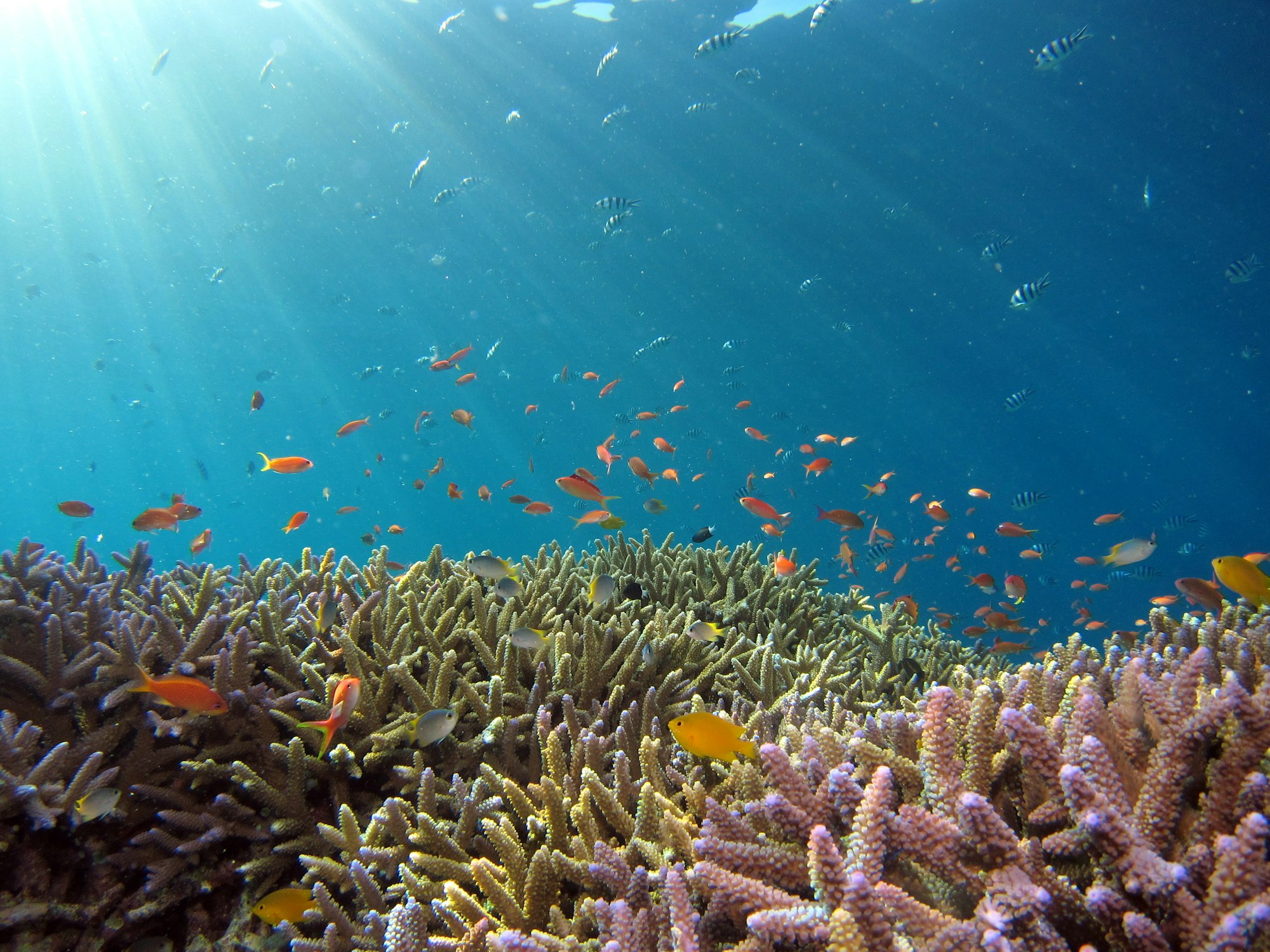
Sandy Island consists of a coral-encrusted reef rising from a sandy seafloor, reaching to within a few meters of the surface. The reef is characterized by coral formations with sandy channels and rubble zones at the base, transitioning to denser coral growth on the upper sections. The Safaga area regularly receives upwelled nutrient-rich water driven by the prevailing wind patterns, supporting unusually high reef fish density and regular pelagic visitors. Visibility is consistently strong in this region.
Site Information
- Location: Safaga, Red Sea, Egypt
- Entry Type: Boat dive
- Site Type: Reef
- Difficulty Level: Intermediate
- Maximum Depth: 20 meters
- Typical Visibility: 20-35 meters (65-115 feet)
- Current: Moderate to strong
- Best Time: October to May
Marine Life
The Safaga reef system supports a diverse and abundant reef fish community. Schools of fusiliers and anthias are a constant presence over the coral tops, and humphead wrasse patrol the deeper reef edges. Parrotfish, surgeonfish, and triggerfish are common. Moray eels are residents in the coral crevices, and lionfish and scorpionfish conceal themselves in ledges. The sandy substrate around the base of the reef harbors garden eels, stingrays, and flatfish. Spinner dolphins are frequently seen in the surrounding water, and hammerhead sharks are reported in the area during cooler months.
Dive Profile
Descend to the reef crest at around 5–8 meters and follow the reef contour down to the sandy base at 18–20 meters. The dive can be structured as a circuit around the island, exploring both current-exposed and sheltered sides for contrasting species and coral character. Spend time in the mid-depth range of 10–15 meters where coral cover is densest. Ascend along the reef with a safety stop near the top of the structure at 3–5 meters.
Entry and Exit
Access is by dive boat from Safaga harbor operators or from a liveaboard moored on the site. Giant stride or back roll entry. Descend promptly if current is running. At the end of the dive, ascend the reef to the safety stop depth and deploy an SMB before surfacing for boat pickup.
Tips and Recommendations
- Check current direction before the dive and plan your route accordingly
- Winter months (October to January) offer the best chance of hammerhead sightings
- Both sides of the island have different character — explore the current-exposed and sheltered faces
- Safaga day-trip boats typically run multiple dives in a single day around nearby sites
- A safety sausage is essential given the boat traffic in the Safaga channel
Safety Considerations
Currents can be strong at Safaga, particularly between islands and reef structures. Be aware of channel flow that can push divers off the reef. Carry and deploy an SMB for all open-water ascents. Fire coral is present on reef faces — keep a slight distance from the reef surface. Lionfish and scorpionfish blend into the reef; avoid placing hands on coral ledges.
Photography
The combination of current-exposed walls, sandy channels, and excellent visibility makes Sandy Island a productive wide-angle site. Schooling fusiliers and anthias over coral heads are classic Red Sea images. The sandy base offers stingray and garden eel portraits. Morning light produces the best ambient conditions for wide-angle work.
Sources: Divezone - Red Sea, Dive the World - Egypt Red Sea, Red Sea Scuba Diving, PADI - Diving in Egypt. Last updated 2026-04-04.
Sea-surface temperature and wave height from Open-Meteo Marine (ERA5 reanalysis, monthly averages).
293 verified species observations (262 species) logged within ~11 km of this site between 1990 and 2023, from the Ocean Biodiversity Information System.
- Tursiops aduncus · Indian ocean bottlenose dolphin
- Stenella longirostris · Spinner dolphin
- Branchiostoma
- Balaenoptera omurai · Omurai's whale
- Nerita sanguinolenta
- Maculastrombus mutabilis
- Nerita quadricolor
- Hexabranchus sanguineus
- Pirenella conica
- Epimenia
- Conus
- Thuridilla hopei
Scientific survey records skew toward sampled taxa (molluscs, corals) and do not reflect what you are guaranteed to see on a dive.
Source: OBIS (obis.org), aggregated Darwin Core occurrence records.
Conditions change with the tide and the season. If you have dived this site, share what it was actually like — date, visibility, current, and what you saw. Real, recent reports from divers are exactly what this guide is built to collect.
Send a conditions report ›