Sataya South
24.1564°N 35.7109°E · reef
Sataya South is the southern section of Sataya Reef (Dolphin Reef) in Egypt’s Fury Shoals, among the most celebrated dive sites in the southern Red Sea. The southern exposure of this horseshoe atoll forms the sheltered inner curve of the reef structure, where calmer conditions prevail and the resident spinner dolphin pod congregates in the mornings before heading offshore to feed. This is widely considered the best section of the atoll for dolphin interaction.
Overview
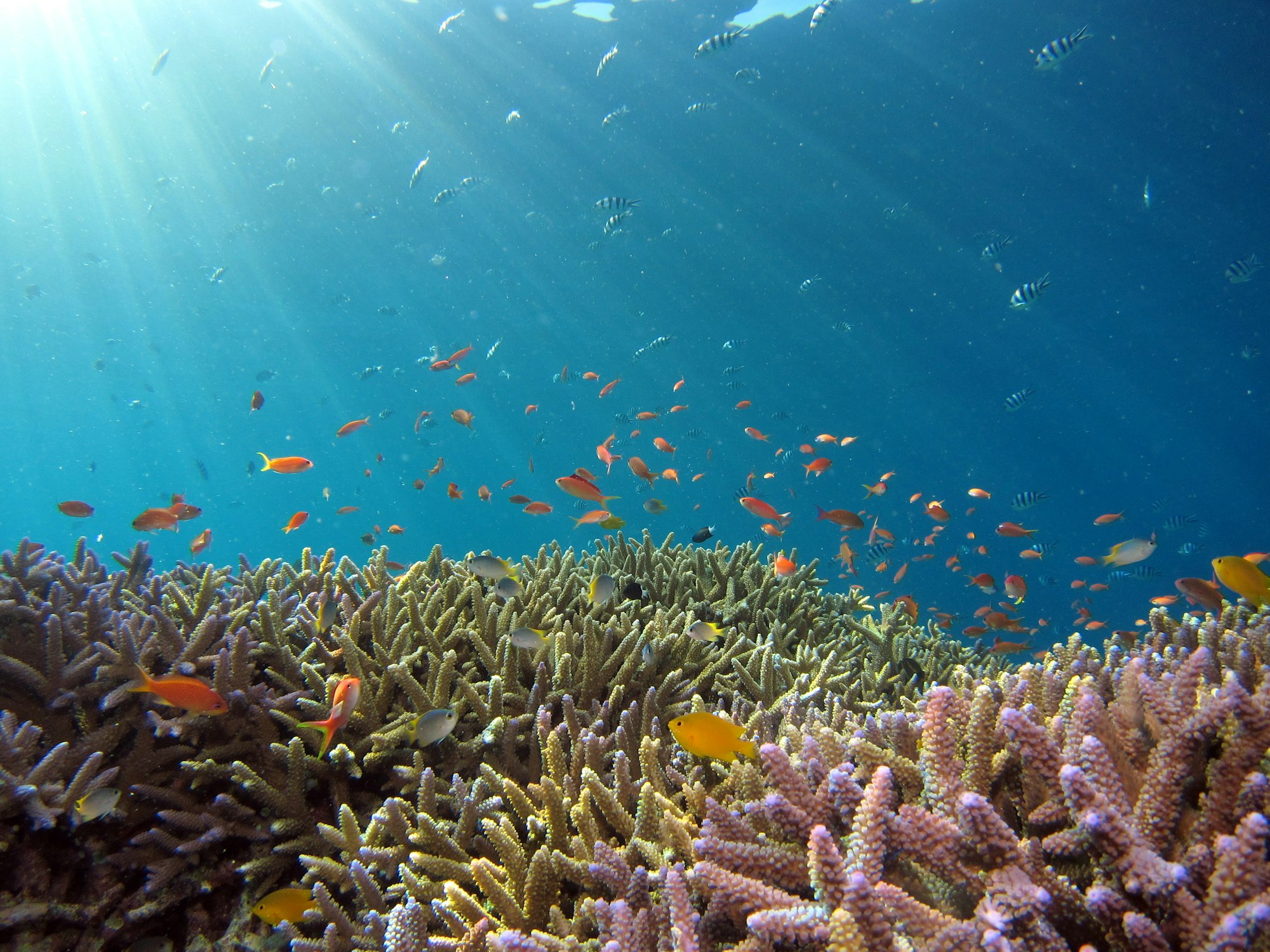
Sataya South is the go-to dive when conditions are calm and dolphin activity is expected. The reef here is shallower and more accessible than the exposed eastern face, with coral terraces, sandy lagoon edges, and isolated bommies in crystal-clear water. The sheltered aspect means currents are generally milder, making this suitable for a wider range of diver abilities. However, the same sheltering also means the water warms noticeably in summer, and the coolest, clearest conditions for pelagic encounters are in winter and spring.
Site Information
- Location: Sataya Reef (Dolphin Reef), Fury Shoals, southern Red Sea, Egypt
- Entry Type: Boat dive
- Site Type: Reef
- Difficulty Level: Intermediate
- Maximum Depth: 20 meters
- Typical Visibility: 20-35 meters (65-115 feet)
- Current: Light to moderate
- Best Time: October to May
Marine Life
Spinner dolphins are the headline attraction at Sataya South. The resident pod uses this sheltered section of the reef as a resting area, and encounters of 20 to 100 or more dolphins are documented in trip reports. Early morning dives — when the dolphins are still resting before departing to feed — produce the most extended encounters. Turtles are extremely common at Sataya and rest on the coral bommies in this section. Reef sharks patrol the outer edges, and large humphead wrasse are resident. Moray eels and octopus are found in the coral crevices, and the sandy lagoon floor hosts stingrays and patches of garden eels.
Dive Profile
Descend into the shallow lagoon area and orient to the reef edge. The ideal strategy is to station yourself calmly in mid-water and let the dolphins approach, rather than pursuing them. The reef slope here runs from the surface to around 15–20 meters where it meets sandy lagoon substrate. Explore the bommies and coral formations while watching the blue water above for dolphin silhouettes. The dive is relatively relaxed in terms of navigation, with clear landmarks and consistent terrain.
Entry and Exit
Access is by liveaboard or day boat from Marsa Alam. The sheltered southern side allows easier entries and exits than the exposed eastern wall. Giant stride entry from the skiff. Ascend on the reef or in clear water and deploy an SMB for safety stop and boat pickup.
Tips and Recommendations
- The first morning dive is critical for spinner dolphin encounters — be in the water by sunrise
- Do not chase, pursue, or cut off dolphins — hover calmly and let them approach
- Pair this dive with Sataya East for a complete picture of the atoll
- A wide-angle lens with a dome port is essential for dolphin photography
- Sataya is 2+ hours from Marsa Alam; liveaboards spend the night here for the best encounters
Safety Considerations
This is a relatively straightforward dive site with calmer conditions than the exposed eastern face. However, occasional surge can develop with changing weather. Always carry an SMB. Boat traffic around Sataya can be significant during peak liveaboard season. Do not handle or harass dolphins — it is illegal under Egyptian law and disrupts the pod’s resting behavior.
Photography
Sataya South is one of the best places in the world to photograph spinner dolphins underwater. A fisheye or wide-angle rectilinear lens in a dome port captures dolphins in clear blue water. Shoot toward the surface light for silhouette effects, or aim horizontally for eye-level portraits when dolphins come in close. Turtle portraits on coral bommies are a secondary highlight. The light in the lagoon is excellent from mid-morning onward.
Sources: Divezone - Red Sea, Dive the World - Egypt Red Sea, Red Sea Scuba Diving, PADI - Diving in Egypt. Last updated 2026-04-04.
Sea-surface temperature and wave height from Open-Meteo Marine (ERA5 reanalysis, monthly averages).
30 verified species observations (5 species) logged within ~11 km of this site between 1994 and 2014, from the Ocean Biodiversity Information System.
- Tursiops aduncus · Indian ocean bottlenose dolphin
- Tursiops truncatus · Common bottlenose dolphin
- Stenella longirostris · Spinner dolphin
- Stenella attenuata · Pantropical spotted dolphin
- Vasticardium marerubrum
Scientific survey records skew toward sampled taxa (molluscs, corals) and do not reflect what you are guaranteed to see on a dive.
Source: OBIS (obis.org), aggregated Darwin Core occurrence records.
Conditions change with the tide and the season. If you have dived this site, share what it was actually like — date, visibility, current, and what you saw. Real, recent reports from divers are exactly what this guide is built to collect.
Send a conditions report ›