Serib Sogayar
26.0226°N 34.3260°E · reef
Serib Sogayar (also recorded as Serib Soraya) is a shore and boat reef dive near El Quseir on Egypt’s central Red Sea coast, approximately 10 km south of El Quseir town.
Overview
This site sits on a section of the Egyptian Red Sea coast that is lightly dived compared to the resort zones of Hurghada and Sharm el-Sheikh. El Quseir’s dive sites are accessed primarily from shore or by RIB, and the low traffic means reefs are immaculate with fish life that is less habituated to divers.
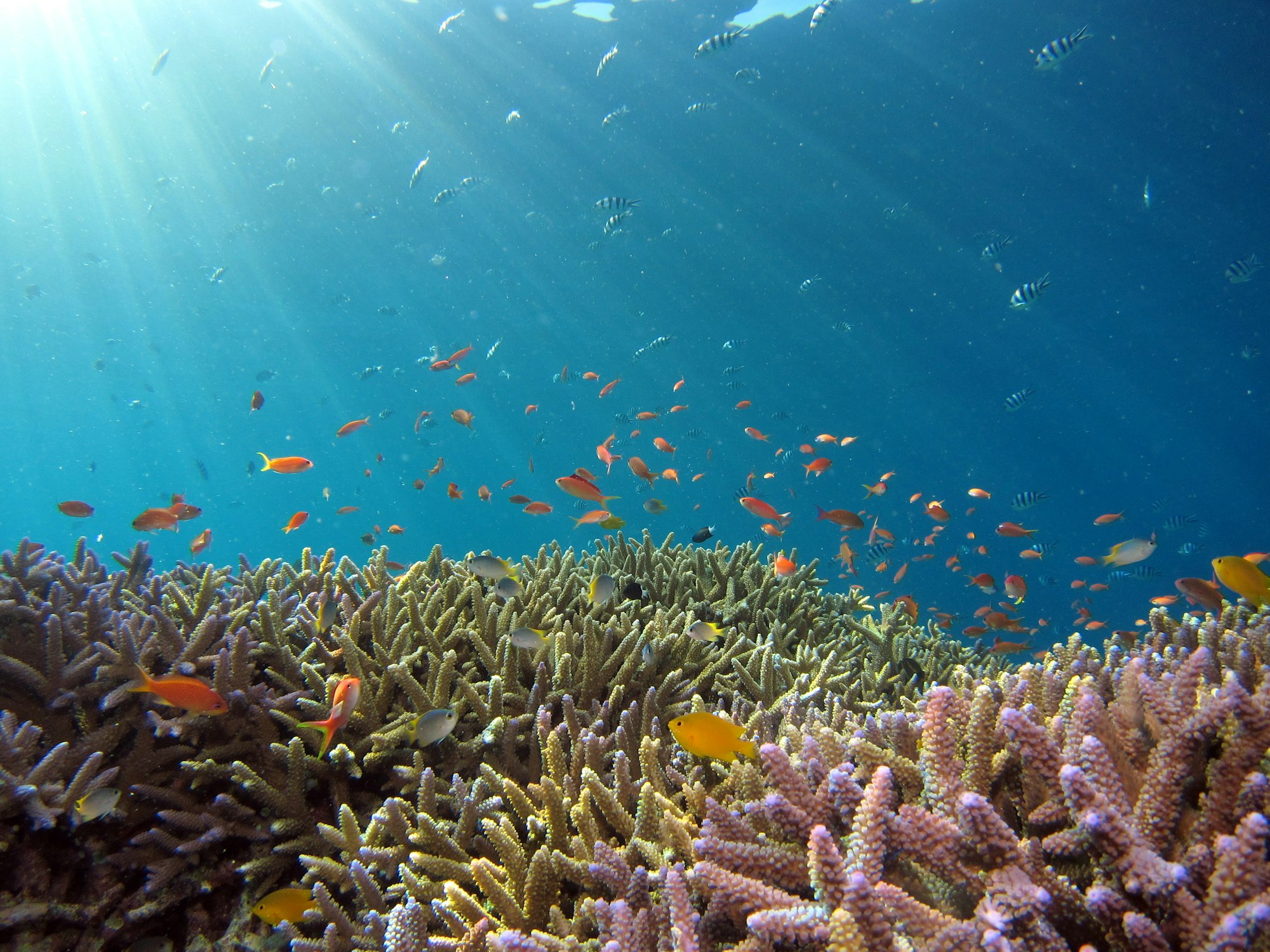
The site features coral gardens beginning just below the surface, leading into a sand eel garden — a sandy slope populated by garden eels (Gorgasia spp.) emerging from burrows to feed on plankton carried through by the current. The reef structure includes wall sections and cave features at depth, with a maximum depth of approximately 42 m. The shallow platform averages around 8 m, making the site accessible to both snorkellers and novice divers, while the deeper sections suit more experienced divers.
Dive Profile
- Average depth: ~8 m (shallow reef platform)
- Maximum depth: ~42 m
- Current: Low (under 1 knot)
- Visibility: Good (10–30 m)
- Entry: Shore or RIB
Marine Life
Garden eels are the signature species. Coral gardens support the typical central Red Sea reef community including parrotfish, butterflyfish, angelfish, grouper, and moray eels.
Sources: Wannadive — Serib Sogayar, Divescover — Serib Soraya, Extra Divers El Quseir. Last updated 2026-05-17.
Sea-surface temperature and wave height from Open-Meteo Marine (ERA5 reanalysis, monthly averages).
305 verified species observations (277 species) logged within ~11 km of this site between 1962 and 2016, from the Ocean Biodiversity Information System.
- Tursiops aduncus · Indian ocean bottlenose dolphin
- Istiblennius rivulatus
- Haliophis guttatus
- Bathygobius fuscus
- Eviota prasina
- Aphanius
- Lutjanus ehrenbergii
- Stenella attenuata · Pantropical spotted dolphin
- Sebastapistes
- Taenianotus
- Pteragogus clarkae
- Synodus dermatogenys
Scientific survey records skew toward sampled taxa (molluscs, corals) and do not reflect what you are guaranteed to see on a dive.
Source: OBIS (obis.org), aggregated Darwin Core occurrence records.
Conditions change with the tide and the season. If you have dived this site, share what it was actually like — date, visibility, current, and what you saw. Real, recent reports from divers are exactly what this guide is built to collect.
Send a conditions report ›