Sha ab Ali
27.7994°N 33.8980°E · reef
Sha’ab Ali is a reef system in the northern Egyptian Red Sea, located approximately 15 minutes by boat southwest of the SS Thistlegorm dive site in the Strait of Gubal/Sha’ab Ali area.
Overview
Sha’ab Ali is most famous as the reef where the SS Thistlegorm lies — the celebrated WWII wreck sits in the waters of Sha’ab Ali at roughly 27.81°N, 33.92°E. The reef system itself is a substantial crescent-shaped structure featuring strong currents and varied terrain. The southern plateau is notable for vibrant hard and soft corals, including gorgonian sea fans exceeding 2 metres in diameter. The reef’s position in the Gubal Strait means it is swept by reliable currents that bring nutrient-rich water, supporting dense fish life.
At the eastern extremity of Sha’ab Ali lies a separate historical dive opportunity: the wreck of the Kingston, a 78 m twin-mast steamship that ran aground on 22 February 1881 and rests at a maximum depth of 15 m.
Dive Profile
- Depth: 5–30+ m depending on location on the reef
- Current: Moderate to strong; recommended for experienced divers
- Entry: Boat (day trips from Hurghada, approximately 60 km)
- Visibility: 15–25 m
Marine Life
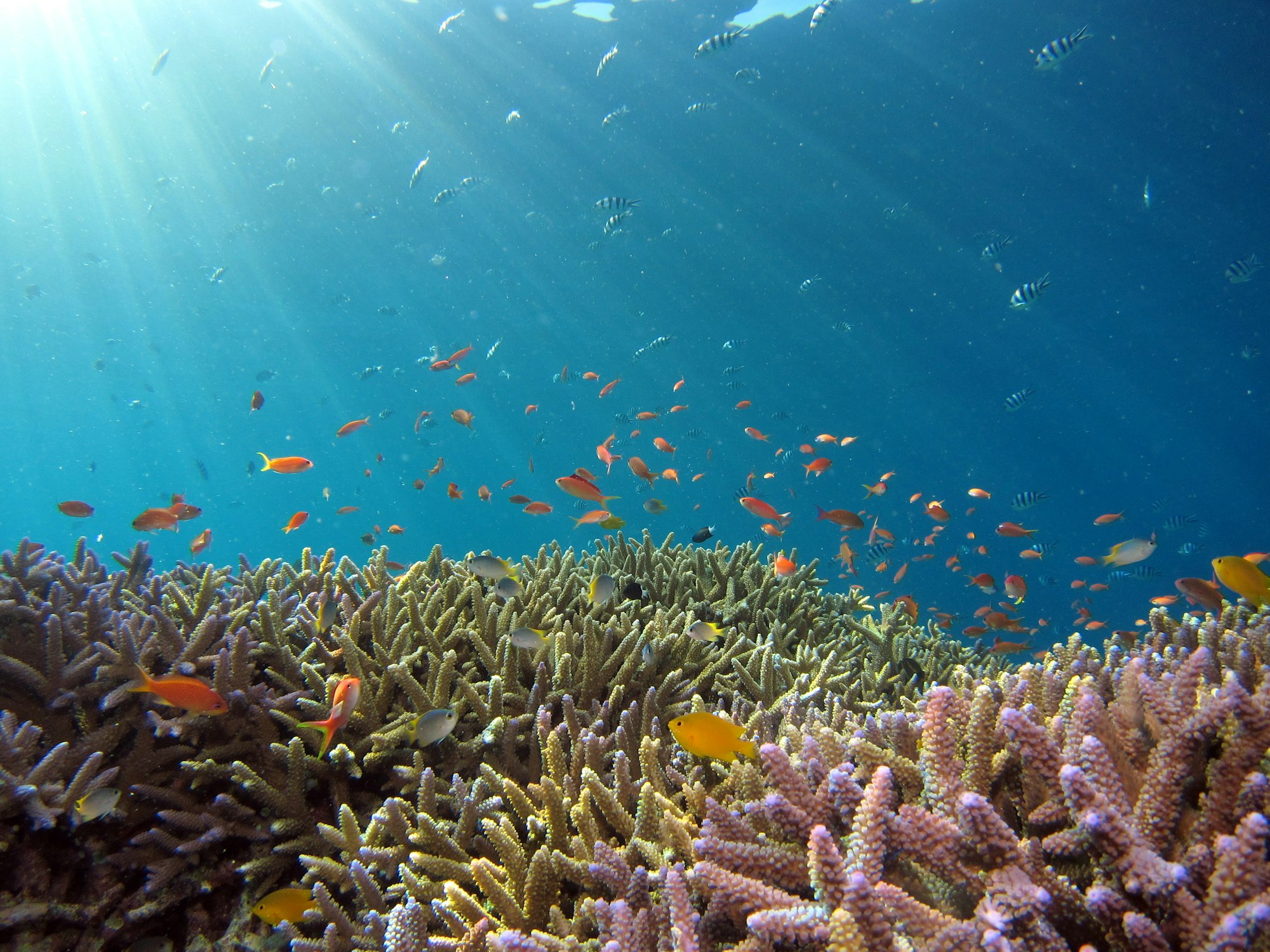
Schools of fusiliers and snappers are common along the reef walls. Gorgonian sea fans, soft corals, and encrusting hard corals cover the southern plateau. At night, Spanish dancers, cuttlefish, squid, lobsters, and other nocturnal species emerge.
Sources: Diventures Magazine — Sha’ab Ali’s Ship: Thistlegorm, CDWS Dive Sites — Sha’ab Ali. Last updated 2026-05-17.
Sea-surface temperature and wave height from Open-Meteo Marine (ERA5 reanalysis, monthly averages).
57 verified species observations (4 species) logged within ~11 km of this site between 1965 and 2014, from the Ocean Biodiversity Information System.
- Tursiops aduncus · Indian ocean bottlenose dolphin
- Tursiops · Bottlenose dolphins
- Tursiops truncatus · Common bottlenose dolphin
- Clausocalanus farrani
Scientific survey records skew toward sampled taxa (molluscs, corals) and do not reflect what you are guaranteed to see on a dive.
Source: OBIS (obis.org), aggregated Darwin Core occurrence records.
Conditions change with the tide and the season. If you have dived this site, share what it was actually like — date, visibility, current, and what you saw. Real, recent reports from divers are exactly what this guide is built to collect.
Send a conditions report ›