Sha'ab Bruce
27.3033°N 33.8262°E · reef
Sha’ab Bruce is a shallow coral reef site in the Hurghada region of the northern Egyptian Red Sea, positioned within the cluster of offshore shoals that characterize this stretch of coastline. The “Sha’ab” prefix is Arabic for reef or shoal, and “Bruce” is likely a colloquial name given by dive operators. At a maximum depth of just 13 meters, this is one of the shallower sites on the Hurghada day-boat circuit, making it particularly suitable for beginner divers and snorkelers.
Overview
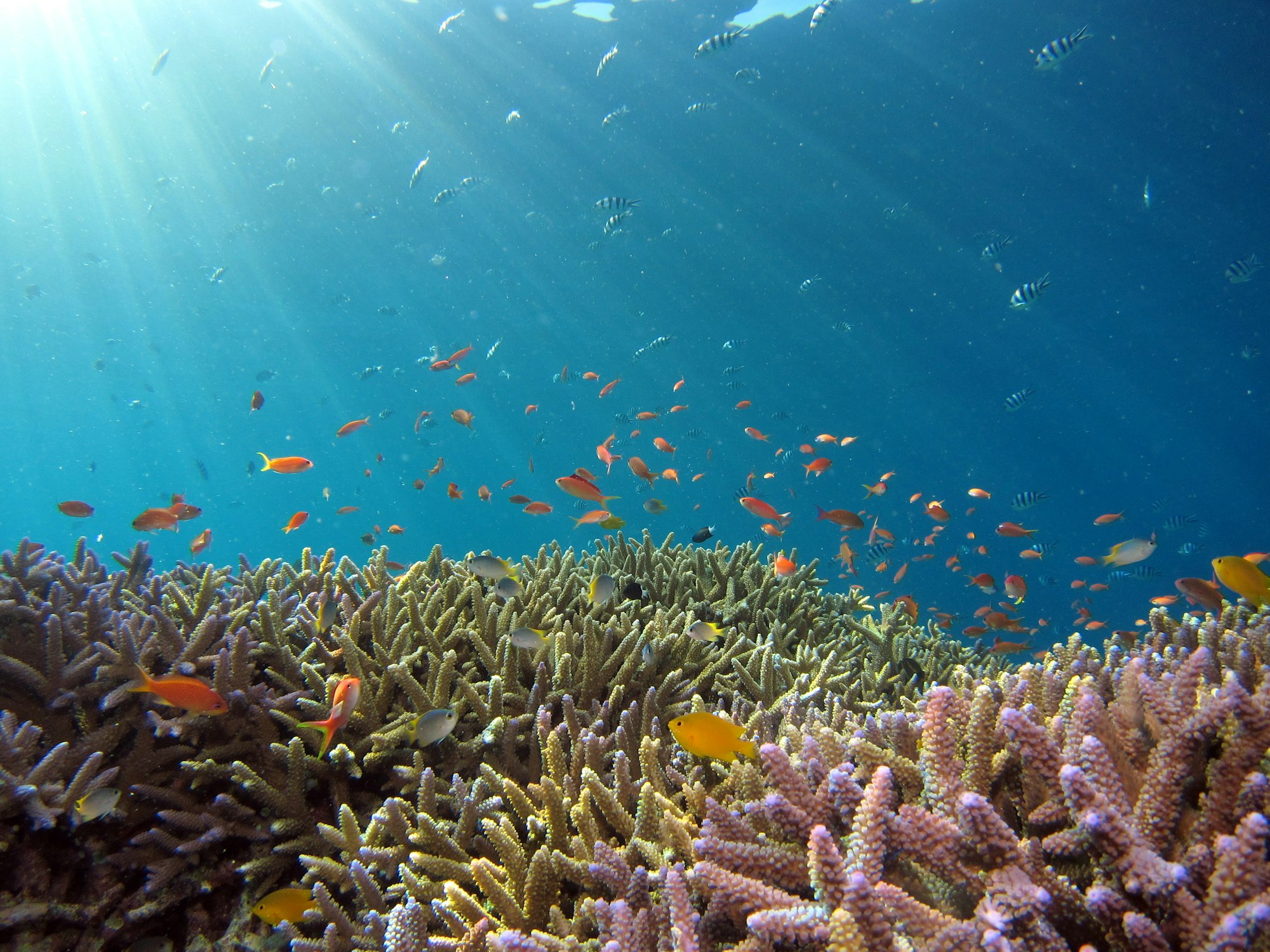
Sha’ab Bruce consists of a broad, shallow coral platform rising to within 2–3 meters of the surface in places. The reef is characterized by healthy hard coral formations — mainly massive and table corals — interspersed with sandy channels. The limited depth makes this an ideal extended-bottom-time site, allowing divers to explore the full extent of the reef without depth restrictions. The shallow platform also receives abundant natural light, producing vivid coral colors and excellent visibility even in ambient light photography.
Site Information
- Location: Hurghada reef system, northern Red Sea, Egypt
- Entry Type: Boat dive
- Site Type: Reef
- Difficulty Level: Beginner
- Maximum Depth: 13 meters
- Typical Visibility: 15-25 meters (50-80 feet)
- Current: Light to moderate
- Best Time: October to May
Marine Life
The shallow, sunlit platform is home to the classic Red Sea reef fish community. Clownfish and their anemone hosts are conspicuous in the shallows. Parrotfish and surgeonfish graze actively on the coral. Butterflyfish and angelfish are abundant, particularly the endemic Sohal surgeonfish and the striking masked butterflyfish. Small reef octopus den in the coral crevices and are often spotted during careful searching. Blue-spotted rays rest on sandy patches between coral heads. Sea turtles occasionally visit the shallower portions of the reef, and the site sees regular green turtle sightings.
Dive Profile
The entire dive takes place at 13 meters or shallower. Descend to the reef base and navigate around the reef structure, using the sandy channels between coral formations as natural pathways. The coral platform can be explored as a circuit, covering the outer edges and returning through the inner sections. Extended bottom times are possible given the shallow depth. Ascend on the reef and complete a safety stop at 3–5 meters on the reef flat.
Entry and Exit
Boat access from Hurghada day-trip operators. Easy entry conditions given the sheltered platform. Beginner-friendly ascent and descent over a well-lit reef structure. Deploy an SMB at the safety stop depth and coordinate with the boat crew.
Tips and Recommendations
- Outstanding site for buoyancy control practice — the shallow terrain rewards precise depth management
- Excellent snorkeling site for the boat’s surface group while divers are below
- Search coral crevices carefully for octopus and sleeping fish
- Multiple dives can be done here given the extended bottom times at shallow depth
Safety Considerations
The shallow depth and typically calm conditions make this a low-risk site. Fire coral is present on the reef platform — particularly on the encrusted sides of coral heads. Do not touch the reef. At 13 meters maximum depth, no-decompression limits are very generous, but air consumption still requires monitoring. Boat traffic at popular Hurghada reefs makes SMB deployment essential.
Photography
Excellent natural light throughout the day at this depth. Clownfish-anemone associations are superb close-focus wide-angle subjects with overhead light and good color saturation. Butterflyfish and parrotfish portraits benefit from the well-lit, clear shallow water. Macro work on the coral surface is productive here.
Sources: Divezone - Red Sea, Dive the World - Egypt Red Sea, Red Sea Scuba Diving, PADI - Diving in Egypt. Last updated 2026-04-04.
Sea-surface temperature and wave height from Open-Meteo Marine (ERA5 reanalysis, monthly averages).
960 verified species observations (306 species) logged within ~11 km of this site between 1758 and 2025, from the Ocean Biodiversity Information System.
- Tursiops aduncus · Indian ocean bottlenose dolphin
- Cheilinus trilobatus
- Anyperodon leucogrammicus
- Pomacentrus
- Pseudochromis olivaceus
- Gobiodon
- Neoglyphidodon melas
- Petroscirtes mitratus
- Doryrhamphus abbreviatus
- Amblygobius albimaculatus
- Amphiprion bicinctus
- Salarias fasciatus
Scientific survey records skew toward sampled taxa (molluscs, corals) and do not reflect what you are guaranteed to see on a dive.
Source: OBIS (obis.org), aggregated Darwin Core occurrence records.
Conditions change with the tide and the season. If you have dived this site, share what it was actually like — date, visibility, current, and what you saw. Real, recent reports from divers are exactly what this guide is built to collect.
Send a conditions report ›