Sha ab Khanzir
28.4019°N 34.4511°E · reef
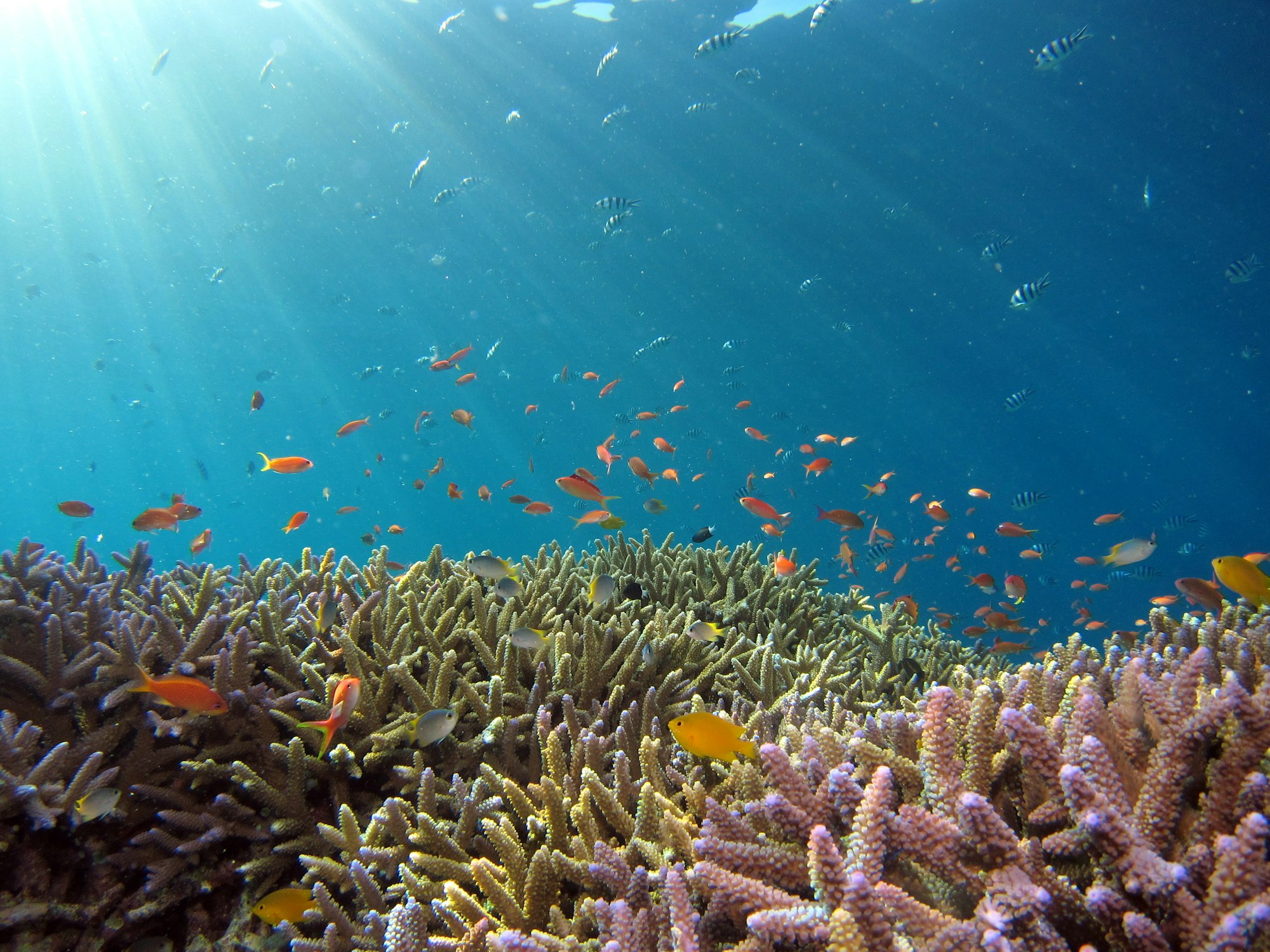
Sha’ab Khanzir is a reef dive site in the Egyptian Red Sea at approximately 28.40°N, 34.45°E, in the northern Red Sea / Hurghada offshore zone.
Overview
The name Khanzir is Arabic for triggerfish, and the site is named for the abundance of redtooth triggerfish (Odonus niger) typically found here — making it distinct from the common assumption that “khanzir” refers to pigs (which is a different Arabic usage). This is a moderate reef with minimal current, making it accessible for divers of various experience levels.
The site features a sandy plateau at around 20 m with coral heads scattered across it, and a main reef structure with a mix of hard coral species. The site is not considered one of the dramatic headline destinations of the northern Red Sea, but offers reliable encounters with a wide range of common reef species in calm conditions.
Dive Profile
- Average depth: ~20 m (sandy plateau)
- Maximum depth: ~25 m
- Current: Very low
- Entry: Boat
Marine Life
Redtooth triggerfish are the defining species. Blue-spotted stingrays, moray eels, parrotfish, butterflyfish, and grouper are typical reef inhabitants. The sandy plateau between coral heads provides habitat for garden eels and small invertebrates.
Sources: Greatest Dive Sites — Sha’ab Khanzir. Last updated 2026-05-17.
Sea-surface temperature and wave height from Open-Meteo Marine (ERA5 reanalysis, monthly averages).
156 verified species observations (96 species) logged within ~11 km of this site between 1968 and 2024, from the Ocean Biodiversity Information System.
- Pleurosicya micheli · Michel's Ghost Goby
- Aseraggodes macronasus
- Siganus · Black Spinefoot
- Priolepis cincta · Banded Reef Goby
- Haliophis guttatus
- Pleurosicya prognatha · Beaky Acropora Goby
- Gobiodon irregularis
- Arnoglossus macrolophus
- Astronesthes martensii
- Grampus griseus · Risso's dolphin
- Gobiodon ater
- Gobiodon fuscoruber
Scientific survey records skew toward sampled taxa (molluscs, corals) and do not reflect what you are guaranteed to see on a dive.
Source: OBIS (obis.org), aggregated Darwin Core occurrence records.
Conditions change with the tide and the season. If you have dived this site, share what it was actually like — date, visibility, current, and what you saw. Real, recent reports from divers are exactly what this guide is built to collect.
Send a conditions report ›