Sha`ab Quais
27.1672°N 33.9510°E · reef
Sha`ab Quais is a coral reef dive site located in the northern Egyptian Red Sea near Hurghada, known for its circular reef structure and calm, sheltered diving conditions.
Overview
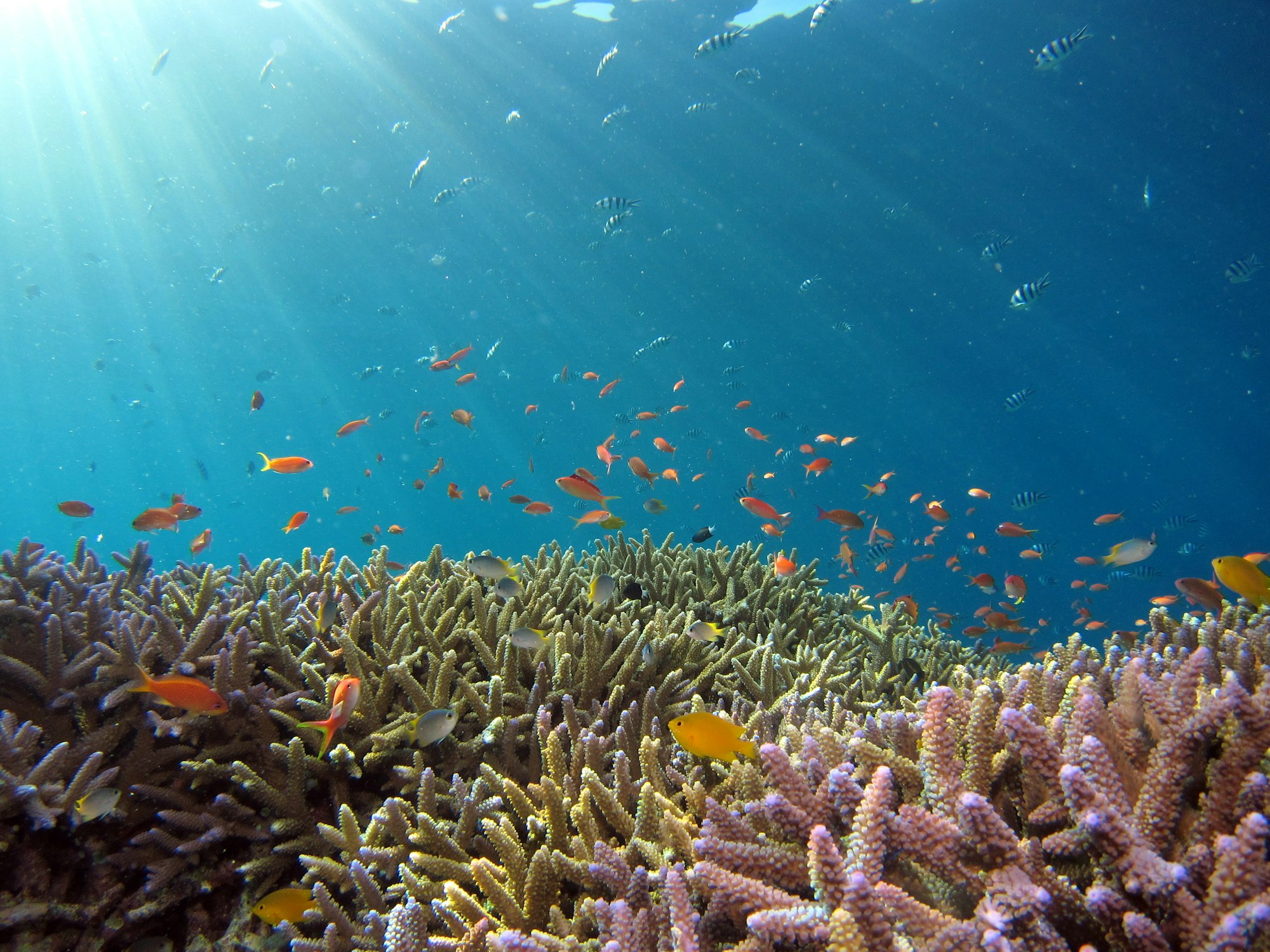
Sha`ab Quais is a lagoon-style reef situated in the central Red Sea north of Hurghada, rising from sandy flats to a broad coral platform with protected inner waters. The reef’s structure forms a natural shelter from wind and swell, making it a popular mooring spot for liveaboards and day boats in the region. The inner reef slopes offer dense coral gardens rich with anthias clouds, while the outer edges drop away to deeper terrain. Visibility regularly reaches 20–30 metres in calm conditions, and water temperatures range from 22°C in winter to 30°C in summer.
Site Information
- Location: Northern Red Sea, Egypt (near Hurghada)
- Entry Type: Boat dive
- Site Type: Reef
- Difficulty Level: Intermediate
- Maximum Depth: 20 meters
- Typical Visibility: 20-30 meters (65-100 feet)
- Current: Light to moderate
- Best Time: October to May
Marine Life
The coral gardens of Sha`ab Quais support dense aggregations of glassfish and anthias around branching table corals, attracting hunting groupers and trevally. humphead wrasse patrol the deeper reef edges, and green turtles are frequently sighted resting on the coral heads. Moray eels occupy crevices throughout the reef, while blue-spotted stingrays rest on sandy patches between coral formations. Schools of snapper and fusiliers are common in mid-water, and lionfish are found perched on the reef at most depths.
Dive Profile
The typical dive begins at the outer reef edge, where the slope drops from the platform top at around 5 metres to a sandy bottom at 18–20 metres. The reef flat offers excellent snorkelling and entry-level conditions, while the outer slope provides more engaging terrain for intermediate divers. A gentle circumnavigation of the reef’s accessible sections covers the best coral formations. Plan sufficient air for a 5-metre safety stop before returning to the boat.
Entry and Exit
All access is by dive boat; most operators moor directly to the reef. Entry is by giant stride or back roll from the dive deck. The calm inner-lagoon side provides easier conditions for newer divers, while the outer reef suits more confident divers. Return to the boat using your SMB to signal position during the safety stop.
Tips and Recommendations
- The inner lagoon side is ideal for a relaxed second or third dive
- Morning dives offer the best light for coral photography
- Ask your guide about the sandy patches where rays rest near the reef base
- Bring a close-up lens — the small nudibranchs and shrimp on coral heads are excellent macro subjects
- Check for turtle activity near the larger coral heads on the reef top
Safety Considerations
Currents at Sha`ab Quais are generally mild, but can pick up at tide changes on the outer reef edge. Maintain awareness of depth when following the reef slope. Fire coral is present on the platform — avoid contact when moving through shallow sections. Always deploy an SMB for ascent. Boat traffic in the area can be active during peak season; surface with your SMB fully deployed.
Photography
Sha`ab Quais rewards both wide-angle and macro shooters. Wide-angle images of table coral structures with anthias clouds in the background are achievable at most depths. For macro, scan the coral branches carefully for small gobies, shrimp, and nudibranchs. Turtles resting on the reef top provide excellent natural-light portrait opportunities.
Sources: Divezone - Red Sea, Dive the World - Egypt Red Sea, Red Sea Scuba Diving, PADI - Diving in Egypt. Last updated 2026-04-04.
Sea-surface temperature and wave height from Open-Meteo Marine (ERA5 reanalysis, monthly averages).
292 verified species observations (242 species) logged within ~11 km of this site between 1833 and 2011, from the Ocean Biodiversity Information System.
- Tursiops aduncus · Indian ocean bottlenose dolphin
- Sousa chinensis · Chinese white dolphin
- Megaptera novaeangliae · Humpback whale
- Amblygobius albimaculatus
- Amphiprion bicinctus
- Hipposcarus harid
- Rhincodon typus · Whale Shark
- Gobiodon
- Plectorhinchus schotaf
- Corythoichthys flavofasciatus
- Gymnothorax flavimarginatus
- Chlorurus sordidus
Scientific survey records skew toward sampled taxa (molluscs, corals) and do not reflect what you are guaranteed to see on a dive.
Source: OBIS (obis.org), aggregated Darwin Core occurrence records.
Conditions change with the tide and the season. If you have dived this site, share what it was actually like — date, visibility, current, and what you saw. Real, recent reports from divers are exactly what this guide is built to collect.
Send a conditions report ›