Shaab Bohar Soraya
24.2922°N 35.5388°E · reef
Shaab Bohar Soraya is a reef site in the Fury Shoals region of Egypt’s southern Red Sea, positioned adjacent to Shaab Bohar Kebir at approximately 24.29°N, 35.54°E. “Soraya” is a name used across multiple sites in this region — possibly named after a vessel or person from the early liveaboard era. The Fury Shoals complex is one of the most productive offshore reef systems accessible from Marsa Alam and Ras Banas, and Shaab Bohar Soraya is one of several named sections dived by liveaboards on southern itineraries.
Overview
Shaab Bohar Soraya is a mid-sized reef structure with its own distinct character and terrain. The reef supports a mix of hard and soft coral coverage, with the more sheltered sections having different species composition than the exposed current-facing faces. Like other Fury Shoals reefs, it benefits from excellent water clarity and nutrient-rich upwelled water that supports dense fish populations. The site is typically dived in conjunction with Shaab Bohar Kebir Ost and other nearby structures on the same day.
Site Information
- Location: Fury Shoals, southern Red Sea, Egypt
- Entry Type: Boat dive
- Site Type: Reef
- Difficulty Level: Intermediate
- Maximum Depth: 20 meters
- Typical Visibility: 20-35 meters (65-115 feet)
- Current: Moderate to strong
- Best Time: October to May
Marine Life
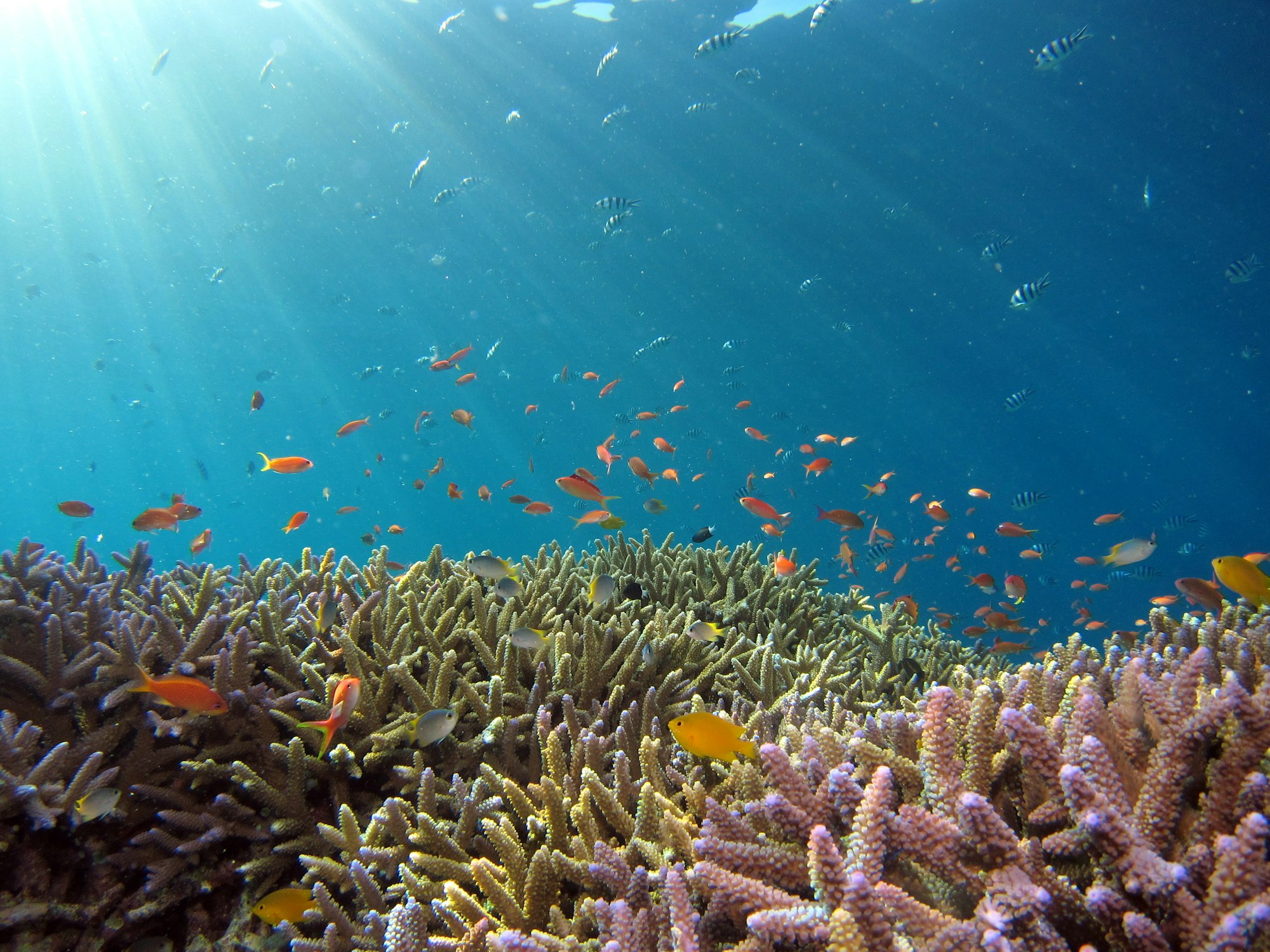
Like all Fury Shoals reefs, Shaab Bohar Soraya supports a full Red Sea reef ecosystem. Grey reef sharks and whitetip reef sharks are present, particularly on the more exposed sections. Schools of snapper and fusiliers inhabit the mid-water zone above the reef. humphead wrasse, moray eels, and turtles are common. The coral formations include hard table corals, branching acropora, and massive Porites on the shallower sections, while the deeper and more exposed faces carry gorgonian fans and colorful soft corals. Octopus are often spotted in the sandy channels between reef structures.
Dive Profile
Descend to the reef crest and assess current direction before committing to a route. Follow the reef contour, exploring coral formations at varying depths between 5 and 20 meters. Pay attention to the transition zones where different coral types meet — these edges are often the most fish-rich areas. The sandy base around the reef perimeter can yield rays and garden eels. Complete the dive with a safety stop at 5 meters on the shallow reef top.
Entry and Exit
Access is by liveaboard on Fury Shoals itineraries. Giant stride entry from the dive skiff. Follow the guide’s briefing for current-appropriate dive direction. Ascend on the mooring line if available, or deploy an SMB for open-water safety stop.
Tips and Recommendations
- Dive this site in conjunction with Shaab Bohar Kebir Ost for a comprehensive experience of the reef complex
- The Fury Shoals are best dived on an extended liveaboard; day trips from Marsa Alam are a long way out
- Check current conditions thoroughly before the dive — strong flow can develop between reef structures
- Macro and wide-angle photography are both productive at this site
- Turtles are common resting on the reef; approach slowly and avoid startling them
Safety Considerations
Strong channeled currents between reef structures can carry divers away from the site quickly. Always carry and deploy an SMB. The remoteness of the Fury Shoals means divers must be self-sufficient and conservative with air reserves. Fire coral and lionfish are present throughout the reef; appropriate exposure protection is recommended.
Photography
The Fury Shoals’ exceptional clarity makes this a productive wide-angle destination. Hard coral formations photographed with ambient light create compelling reef landscape images. Schooling fish over the reef crest are a classic subject. Macro opportunities include nudibranchs, cleaning shrimps, and small reef fish in crevices on the coral face.
Sources: Divezone - Red Sea, Dive the World - Egypt Red Sea, Red Sea Scuba Diving, PADI - Diving in Egypt. Last updated 2026-04-04.
Sea-surface temperature and wave height from Open-Meteo Marine (ERA5 reanalysis, monthly averages).
13 verified species observations (6 species) logged within ~11 km of this site between 2003 and 2012, from the Ocean Biodiversity Information System.
- Tursiops truncatus · Common bottlenose dolphin
- Stenella longirostris · Spinner dolphin
- Stenella attenuata · Pantropical spotted dolphin
- Tursiops aduncus · Indian ocean bottlenose dolphin
- Pseudorca crassidens · False killer whale
- Balaenoptera · Baleen whales
Scientific survey records skew toward sampled taxa (molluscs, corals) and do not reflect what you are guaranteed to see on a dive.
Source: OBIS (obis.org), aggregated Darwin Core occurrence records.
Conditions change with the tide and the season. If you have dived this site, share what it was actually like — date, visibility, current, and what you saw. Real, recent reports from divers are exactly what this guide is built to collect.
Send a conditions report ›