Shaab Nakari
24.9426°N 34.9851°E · reef
Shaab Nakari
An underrated offshore reef 5 km from Marsa Alam with wall diving on the northwest face, spinner dolphin visits to the lagoon, eagle rays, and nudibranchs in a site that routinely surprises divers expecting a standard coastal reef.
Overview
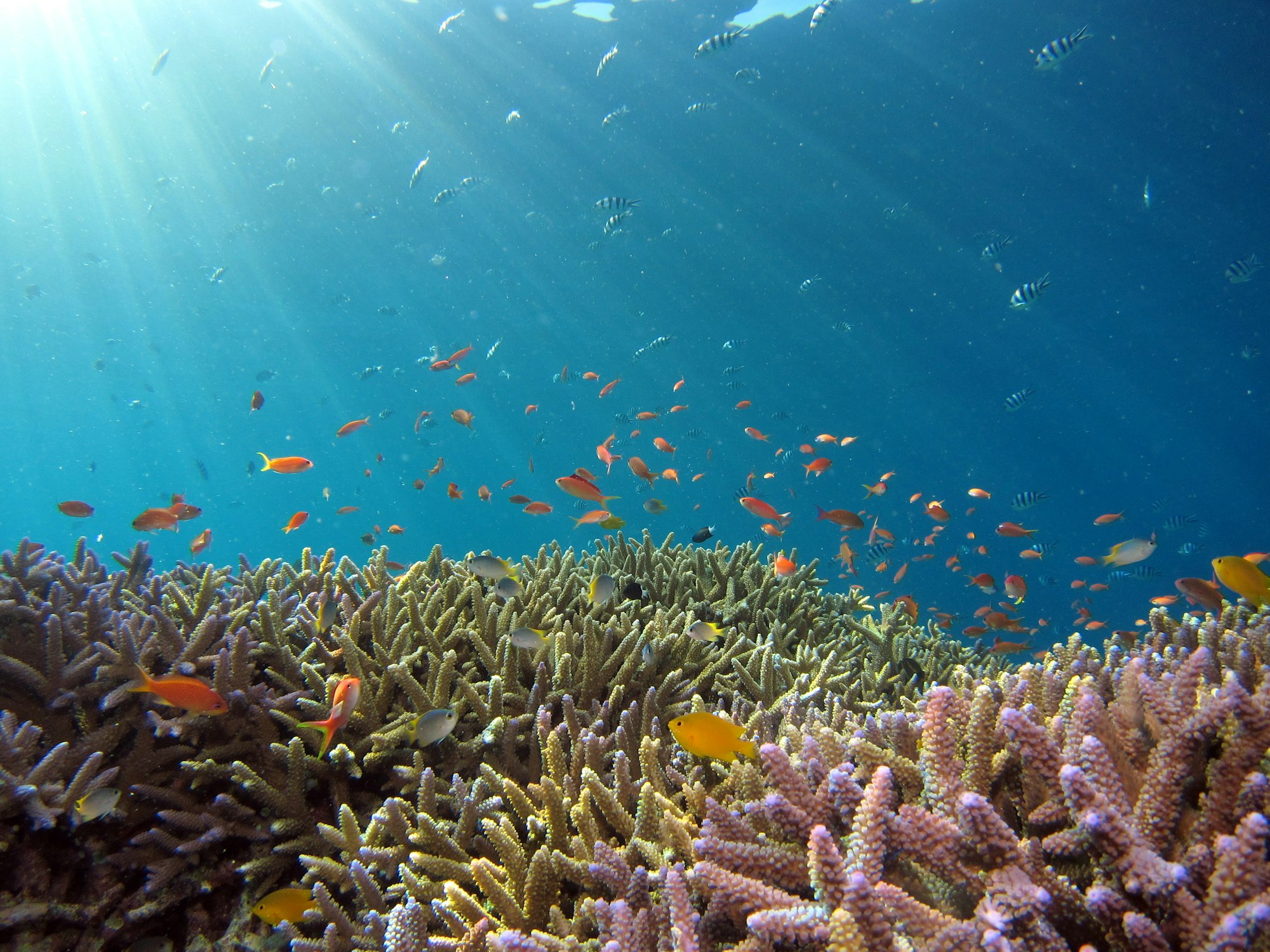
Shaab Nakari is located approximately 5 kilometres offshore from Marsa Nakari, a small village 18 kilometres south of Marsa Alam city. Despite its proximity to the coast, the reef offers considerably more than standard coastal diving — the northwest face of the reef has genuine wall diving down to 15–25 metres, while the western side has a sandy bottom zone at 15–25 metres. Currents that sweep through the site regularly enrich the water column and drive the reef’s biodiversity. The lagoon section is a known dolphin shelter — spinner dolphins seek it out periodically. The site is described by multiple operators as an “underrated canvas” for photography, combining macro subjects including ghost shrimp and nudibranchs with wide-angle coral garden compositions in excellent clarity.
Site Information
- Location: Offshore Marsa Nakari, 18 km south of Marsa Alam, southern Egyptian Red Sea
- Entry Type: Boat dive
- Site Type: Reef
- Difficulty Level: Intermediate
- Maximum Depth: 20 meters
- Typical Visibility: 20–30 meters
- Current: Mild to moderate; assess east and west faces before committing
- Best Time: October to May
Marine Life
Spinner dolphins are periodic visitors to the lagoon — encounters are unpredictable but documented. Eagle rays cross the sandy western bottom zone and the open water adjacent to the reef. The current-swept site supports large populations of reef fish: anthias, chromis, fusiliers, and surgeonfish throughout. Ghost shrimp and nudibranchs reward slow macro exploration in the crevices and on the reef surface. Reef octopuses inhabit the rocky sections. Moray eels are present throughout. The northwest wall section carries the most diverse coral coverage, with hard coral and soft coral assemblages at 10–20 metres.
Dive Profile
Begin on the northwest wall at 10–15 metres and work along the face, which provides the richest coral and fish diversity. Transition to the western sandy bottom section at 15–20 metres for macro exploration and eagle ray observation. The lagoon section can be explored in the second half of the dive at 5–10 metres — this is the dolphin encounter zone if the pod is present. Safety stop over the shallow lagoon reef at 5 metres.
Entry and Exit
Day boat from Marsa Alam or Marsa Nakari village (15–20 minutes). High-performance RIB access is standard. Giant stride entry. Current conditions should be assessed at the east and west faces before determining dive direction. Deploy an SMB before ascending.
Tips and Recommendations
- The northwest wall is the most productive section — plan the dive to start there when air is highest
- Move slowly through the lagoon section and watch for dolphin pod activity in the water column above
- The macro community on this reef rewards 30–45 minutes of slow, low-level searching — ghost shrimp and nudibranchs are found in crevices
- Pair with Shaab Marsa Alam (the L-shaped reef with the Legend wreck) for a two-site day from Marsa Alam
- Morning dives tend to produce the best light conditions for photography on the northwest wall
Safety Considerations
Currents on the east and west faces of the reef can be stronger than on the protected northwest wall and lagoon. Assess conditions before selecting dive direction. The offshore position (5 km) means open-water rescue logistics apply — always carry an SMB. Standard reef hazards: fire coral, lionfish, and urchins in crevices. Suitable for intermediate divers with some current experience.
Photography
Shaab Nakari’s combination of macro and wide-angle subjects makes it a versatile photography site. Ghost shrimp and nudibranch portraits in the reef crevices reward macro technique. The northwest wall coral gardens at 10–15 metres in good morning light are excellent ambient wide-angle subjects. Eagle ray portraits crossing the sandy western section are available in the 15–20 metre zone. Spinner dolphin encounters in the lagoon — if timed correctly — offer natural-light wide-angle photography in shallow water.
Sources: Divezone - Red Sea, Dive the World - Egypt Red Sea, Red Sea Scuba Diving, PADI - Diving in Egypt. Last updated 2026-04-04.
Sea-surface temperature and wave height from Open-Meteo Marine (ERA5 reanalysis, monthly averages).
54 verified species observations (14 species) logged within ~11 km of this site between 1895 and 2025, from the Ocean Biodiversity Information System.
- Tursiops truncatus · Common bottlenose dolphin
- Tursiops aduncus · Indian ocean bottlenose dolphin
- Stenella longirostris · Spinner dolphin
- Mobula
- Stenella attenuata · Pantropical spotted dolphin
- Decapterus russelli
- Alepes djedaba
- Mobulidae
- Saurida undosquamis
- Favorinus mirabilis · ウツセミミノウミウシ
- Nerita sanguinolenta
- Acanthosepion pharaonis
Scientific survey records skew toward sampled taxa (molluscs, corals) and do not reflect what you are guaranteed to see on a dive.
Source: OBIS (obis.org), aggregated Darwin Core occurrence records.
Conditions change with the tide and the season. If you have dived this site, share what it was actually like — date, visibility, current, and what you saw. Real, recent reports from divers are exactly what this guide is built to collect.
Send a conditions report ›