Shaab Sataya
24.1553°N 35.6850°E · reef
Shaab Sataya — also known as Dolphin Reef — is one of the most celebrated sites in the southern Egyptian Red Sea, famed for a resident pod of spinner dolphins that inhabit the lagoon and regularly interact with divers in the water.
Overview
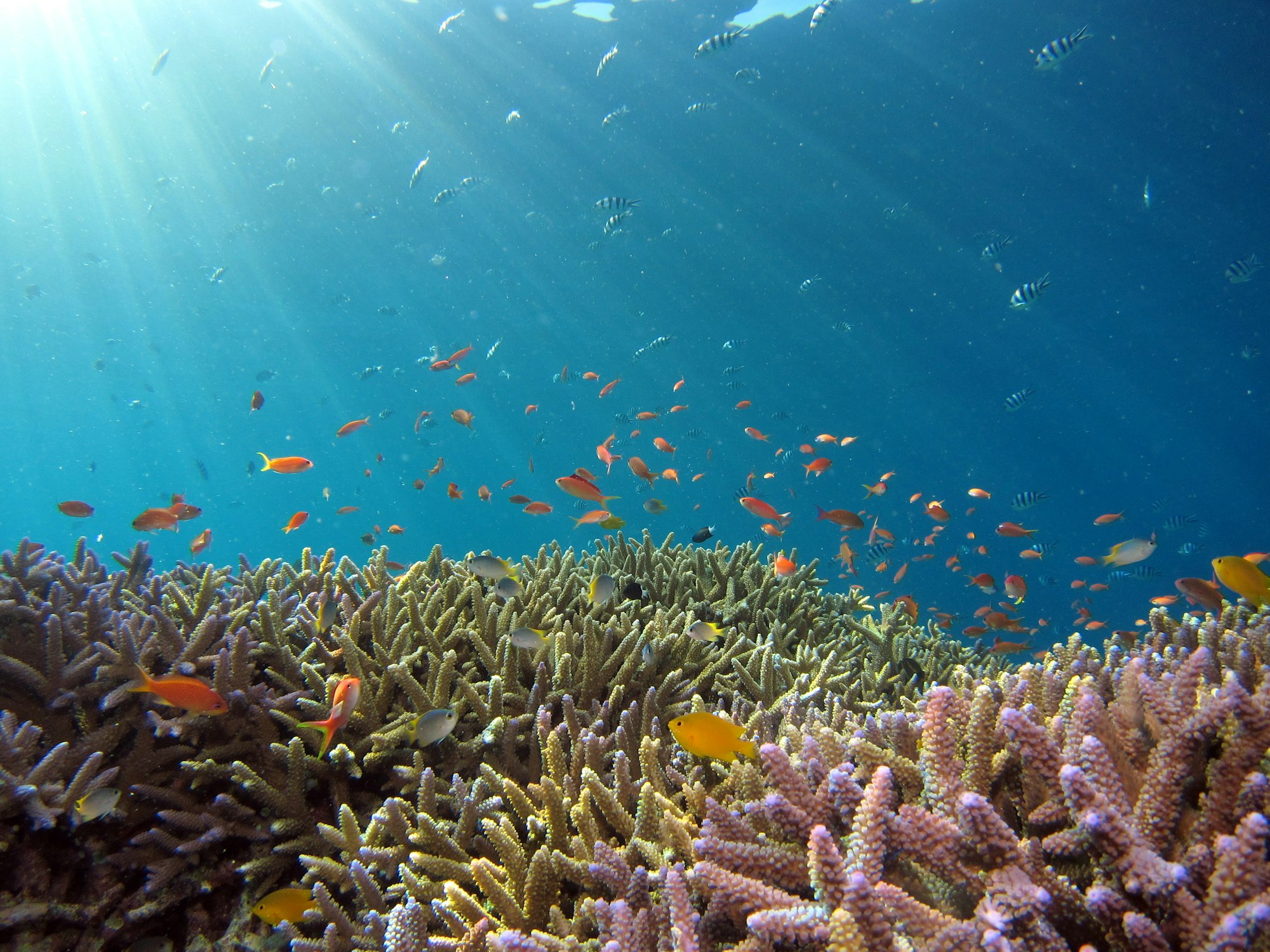
Shaab Sataya is a large horseshoe-shaped reef approximately 60 kilometres southeast of Marsa Alam, forming a broad lagoon that serves as a daily resting ground for a resident school of spinner dolphins numbering in the hundreds. The reef itself is impressive in its own right — an extensive coral structure with walls, slopes, and sandy lagoon bottom that support abundant marine life — but the dolphin encounters are what define Shaab Sataya’s reputation. Liveaboards and day boats regularly anchor inside the lagoon in the morning hours when the dolphins return from their nocturnal feeding runs offshore, and in-water encounters are a near-daily occurrence during the season. The outer reef walls and points drop into deep water with very good visibility, frequently 30+ metres, and strong current sections are home to significant pelagic activity.
Site Information
- Location: Southern Red Sea, Egypt (southeast of Marsa Alam, lat 24.15°N)
- Entry Type: Boat dive
- Site Type: Reef
- Difficulty Level: Intermediate
- Maximum Depth: 20 meters
- Typical Visibility: 25-35 meters (80-115 feet)
- Current: Light inside lagoon; moderate to strong on outer reef
- Best Time: October to May
Marine Life
Shaab Sataya is synonymous with spinner dolphins — the resident pod often exceeds 100 individuals and is reliably present in the lagoon during morning hours. Divers enter the water quietly and allow the dolphins to approach, which they frequently do with great curiosity. The reef itself supports excellent fish diversity: grey reef sharks are seen on the outer walls, and humphead wrasse cruise the lagoon edge. Turtles rest on the reef platform, and the sandy lagoon bottom conceals goatfish, rays, and flat-bodied flounder. The outer reef attracts trevally, barracuda, and occasionally hammerhead sharks on early morning passes.
Dive Profile
Most operators begin the day with a dolphin snorkel session before the first dive. Scuba dives are typically conducted along the inner lagoon edge at depths of 10–18 metres, or on the outer reef where the terrain drops more steeply. The lagoon diving is accessible and well-suited to intermediate divers, while the outer wall requires attention to depth and current. A two-dive day combining an inner lagoon dive with an outer reef pass covers the full character of the site.
Entry and Exit
Shaab Sataya is accessed by liveaboard from Marsa Alam or by day boat. Day boat access requires an early departure given the distance. Dolphin encounters are conducted as free-swimming snorkel or scuba events — follow the operator’s briefing carefully regarding approach behaviour. Do not chase or corner the dolphins; passive interaction is the standard protocol and is far more productive in any case. SMB deployment is required on all ascents.
Tips and Recommendations
- Arrive as early as possible — the dolphins tend to be most active inside the lagoon from sunrise until mid-morning
- Passive approach in the water dramatically increases the duration and quality of dolphin interactions
- Snorkelling with the dolphins is often more rewarding than scuba, as the bubbles can disturb the animals
- The outer reef wall is worth diving in the afternoon once the main dolphin activity has concluded
- Bring a wide-angle lens for dolphin photography — 10–17mm fisheye or a rectilinear wide zoom is ideal
Safety Considerations
The main reef diving is accessible for intermediate divers, but the outer wall sections have strong current that can develop rapidly. Maintain awareness of depth when diving the outer wall. Inside the lagoon, boat traffic from multiple vessels can be a hazard — always deploy an SMB before ascending. Regarding the dolphins: do not touch, pursue, or separate mothers from calves. Aggressive or chasing behaviour by divers leads to the pod leaving the area and harms the experience for all subsequent visitors.
Photography
Shaab Sataya offers among the most accessible wild dolphin photography opportunities in the world. Wide-angle approach shots with natural surface light are the standard technique. For reef photography, the lagoon edge at 12–15 metres provides excellent natural-light conditions during morning dives. The outer wall at dusk can produce compelling silhouette shots of sharks and large pelagics against the blue water background.
Sources: Divezone - Red Sea, Dive the World - Egypt Red Sea, Red Sea Scuba Diving, PADI - Diving in Egypt. Last updated 2026-04-04.
Sea-surface temperature and wave height from Open-Meteo Marine (ERA5 reanalysis, monthly averages).
32 verified species observations (6 species) logged within ~11 km of this site between 1994 and 2014, from the Ocean Biodiversity Information System.
- Tursiops aduncus · Indian ocean bottlenose dolphin
- Tursiops truncatus · Common bottlenose dolphin
- Stenella longirostris · Spinner dolphin
- Stenella attenuata · Pantropical spotted dolphin
- Balaenoptera · Baleen whales
- Vasticardium marerubrum
Scientific survey records skew toward sampled taxa (molluscs, corals) and do not reflect what you are guaranteed to see on a dive.
Source: OBIS (obis.org), aggregated Darwin Core occurrence records.
Conditions change with the tide and the season. If you have dived this site, share what it was actually like — date, visibility, current, and what you saw. Real, recent reports from divers are exactly what this guide is built to collect.
Send a conditions report ›