Shaab Sharm
24.7885°N 35.1788°E · reef
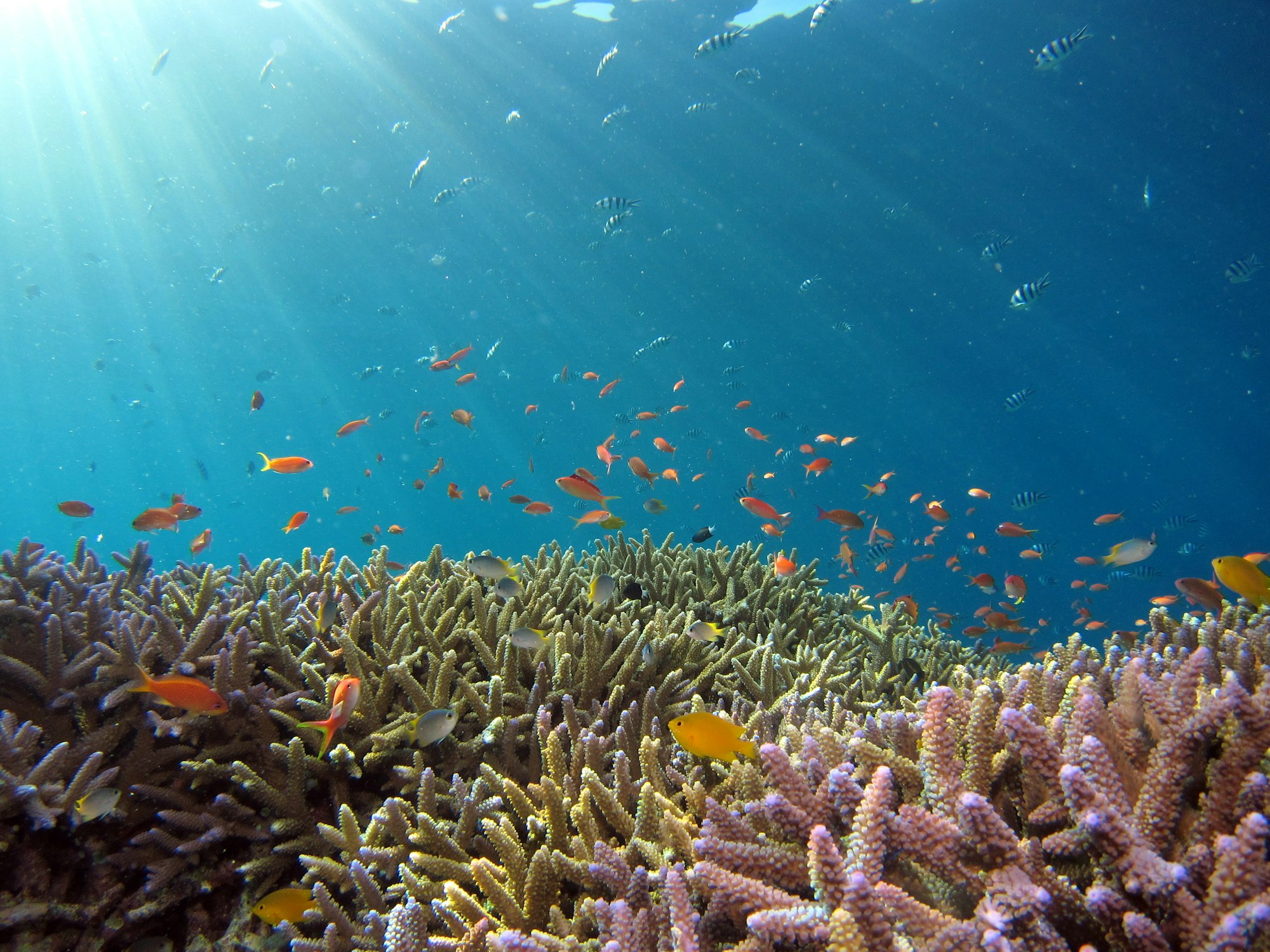
Shaab Sharm is a submerged coral reef in the central Egyptian Red Sea at roughly 24.79°N, situated on the outer shelf between Quseir and the Marsa Alam area, offering clear open-ocean conditions and typical outer-reef marine life.
Overview
Shaab Sharm occupies a position on the middle Egyptian Red Sea outer shelf, away from the heavily trafficked resorts to the north and with the quieter character of the central dive corridor. The reef rises from deeper water to a broad platform with sloping sides, and the outer edges provide the most interesting diving terrain with coral-rich slopes, overhangs, and reliable fish populations. This part of the Egyptian Red Sea benefits from good year-round visibility, averaging 25–30 metres, and the offshore location moderates both temperature and the impact of inshore sedimentation. The reef name “Sharm” (Arabic for “inlet” or “bay”) suggests a bay-like structure on at least one face, providing some shelter from prevailing winds.
Site Information
- Location: Central Red Sea, Egypt (outer shelf, lat 24.79°N)
- Entry Type: Boat dive
- Site Type: Reef
- Difficulty Level: Intermediate
- Maximum Depth: 20 meters
- Typical Visibility: 25-30 meters (80-100 feet)
- Current: Moderate; variable
- Best Time: October to May
Marine Life
Reef fish at Shaab Sharm follow the patterns common to Egypt’s central outer reefs: dense anthias colonies, permanent grouper residents, and reef-cruising humphead wrasse are reliable. Sea turtles appear on the platform, particularly in the shallower sections where algae and sponge growth provides feeding opportunities. Grey reef sharks patrol the outer edge, and the sandflats around the reef base shelter stingrays and goatfish. Moray eels are abundant in the crevices throughout the reef structure.
Dive Profile
The standard dive begins at the reef edge, descending the slope from the platform at 5–8 metres to the sandy bottom at around 18–20 metres. After exploring the outer slope, divers follow the reef perimeter before returning to the platform shallows for the safety stop. The sheltered side provides calmer conditions if current is running on the outer face.
Entry and Exit
Access is by day boat from Quseir-area operators or by liveaboard covering the central Red Sea corridor. Entry is by giant stride from the boat. SMBs must be deployed on every ascent given the offshore location and potential for current drift.
Tips and Recommendations
- The sheltered bay-facing side is a good starting point when current or visibility makes the outer face challenging
- Carry a dive computer to manage no-decompression limits on the outer slope
- The reef platform in 5–8 metres rewards lingering — turtle encounters are common at this depth
- Combine with other central Red Sea outer-reef sites for a productive liveaboard day
Safety Considerations
As with all outer Red Sea sites, divers must be prepared for self-sufficient open-water diving. Currents are generally moderate but can accelerate at reef tips. The remote location means emergency support requires significant transit time — dive conservatively. Always ascend with a deployed SMB.
Photography
The central Red Sea outer shelf typically offers slightly less surge than northern coastal sites, providing stable conditions for photography. Reef landscape shots benefit from the reliable 25–30 metre visibility. Turtles on the shallow platform photograph well in natural light during midday.
Sources: Divezone - Red Sea, Dive the World - Egypt Red Sea, Red Sea Scuba Diving, PADI - Diving in Egypt. Last updated 2026-04-04.
Sea-surface temperature and wave height from Open-Meteo Marine (ERA5 reanalysis, monthly averages).
38 verified species observations (26 species) logged within ~11 km of this site between 1964 and 2016, from the Ocean Biodiversity Information System.
- Stenella longirostris · Spinner dolphin
- Tursiops truncatus · Common bottlenose dolphin
- Megaptera novaeangliae · Humpback whale
- Rhincodon typus · Whale Shark
- Stomatella auricula
- Nerita sanguinolenta
- Conomurex fasciatus
- Iacra seychellarum
- Gibberulus albus
- Spondylus candidus
- Pinna muricata
- Maculastrombus mutabilis
Scientific survey records skew toward sampled taxa (molluscs, corals) and do not reflect what you are guaranteed to see on a dive.
Source: OBIS (obis.org), aggregated Darwin Core occurrence records.
Conditions change with the tide and the season. If you have dived this site, share what it was actually like — date, visibility, current, and what you saw. Real, recent reports from divers are exactly what this guide is built to collect.
Send a conditions report ›