Shab Sataya N-W
24.1671°N 35.6755°E · reef
Shab Sataya N-W
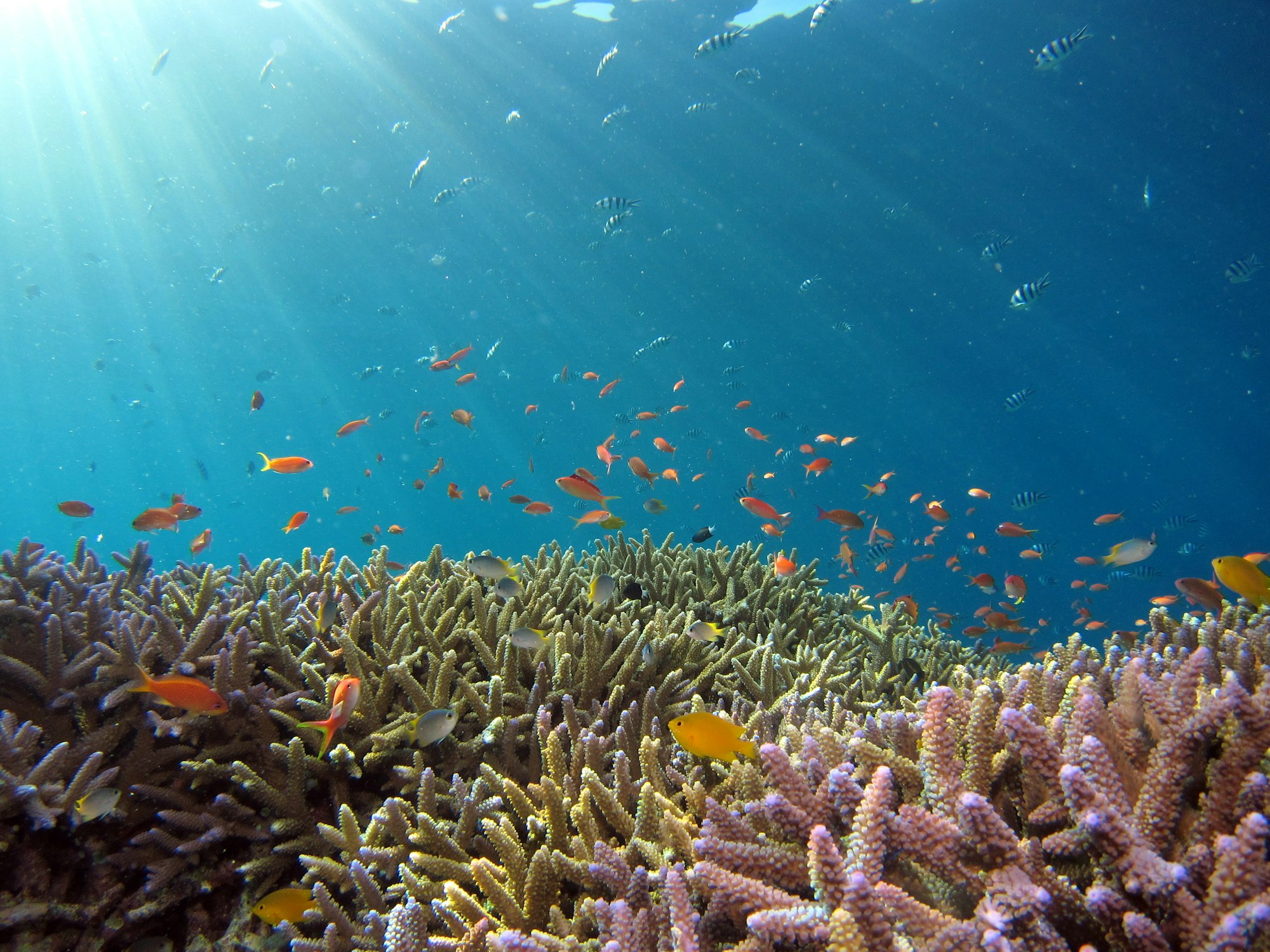
The northwestern section of Shaab Sataya — the sheltered face of the dolphin reef where spinner dolphins shelter in the lagoon and the northwest wall provides a calmer alternative to the current-exposed southern passages.
Overview
Shab Sataya N-W occupies the northwestern section of the Shaab Sataya (Dolphin Reef) complex at approximately 24.17°N, 35.68°E — south of Marsa Alam. Shaab Sataya is famous as the site where pods of 50–200 spinner dolphins rest in the protected lagoon during daylight hours, and the northwestern face is the sheltered, leeward side of this reef complex. The northwest section typically experiences calmer conditions than the exposed southern channels and eastern wall, providing a gentler entry into the Sataya experience. Divers snorkelling with dolphins usually operate from the northwestern lagoon entrance; scuba diving on the northwest wall provides the coral coverage section of the Sataya experience.
Site Information
- Location: Northwestern Shaab Sataya, offshore south of Marsa Alam (~24.17°N, 35.68°E)
- Entry Type: Boat dive
- Site Type: Reef
- Difficulty Level: Intermediate
- Maximum Depth: 20 meters
- Typical Visibility: 20–30 meters
- Current: Mild on the sheltered northwest face
- Best Time: October to May; dolphins year-round but most active in summer mornings
Marine Life
Spinner dolphins are the defining feature of the entire Sataya complex — they rest in the lagoon during daylight hours and transit through the northwestern entrance in early morning. In-water encounters are typically conducted at snorkel depth in the lagoon entrance. The northwest wall itself carries typical southern Red Sea reef species: anthias, moray eels, groupers, and cleaning stations. The calmer conditions on this face support higher nudibranch and flatworm diversity than the exposed sections. Eagle rays pass through the outer northwest zone. Hawksbill turtles are regularly sighted.
Dive Profile
Begin at the northwest wall at 8–12 metres and work along the reef face. The sheltered character allows a slower, more observational pace than the exposed eastern sections of Sataya. Transition to the lagoon entry zone at 5–8 metres for any dolphin snorkel activity. Safety stop at 5 metres in the lagoon entrance zone.
Entry and Exit
Day boat from Marsa Alam (60–90 minutes to Shaab Sataya). The northwest section is the standard mooring position for day-trip boats. Giant stride entry. Often combined with a dolphin snorkel session before or after the scuba dive. SMB deployment before ascending.
Tips and Recommendations
- Dolphin encounters are conducted at snorkel depth rather than scuba depth — bubbles from scuba equipment disturb the dolphins more than snorkel breathing
- Early morning arrival (before 9:00am) produces the best dolphin activity — the pod is resting and at its most accessible
- The northwest wall scuba dive works best as the activity before the dolphin snorkel — dive first, then snorkel with dolphins as the surface interval
- Move slowly and avoid direct swimming toward the dolphin pod — let them approach on their own terms
Safety Considerations
The northwest face is the calmest section of Shaab Sataya and conditions are generally benign. Offshore position requires SMB on all ascents. Current can wrap around the reef tip to the northwest face — assess before extending beyond the sheltered zone. Follow reef access protocols for dolphin interaction: no chasing, no pursuit, no underwater noise disturbance.
Photography
Dolphin encounter photography from the lagoon surface — underwater housing with wide-angle lens in snorkel-depth natural light — is the primary photographic target at the entire Sataya complex. The northwest wall scuba dive suits reef-and-fish portraits in the calm, well-lit conditions. Eagle ray portraits over the sandy zone on the northwest outer face suit wide-angle approach.
Sources: Divezone - Red Sea, Dive the World - Egypt Red Sea, Red Sea Scuba Diving, PADI - Diving in Egypt. Last updated 2026-04-04.
Sea-surface temperature and wave height from Open-Meteo Marine (ERA5 reanalysis, monthly averages).
31 verified species observations (5 species) logged within ~11 km of this site between 2003 and 2014, from the Ocean Biodiversity Information System.
- Tursiops aduncus · Indian ocean bottlenose dolphin
- Tursiops truncatus · Common bottlenose dolphin
- Stenella longirostris · Spinner dolphin
- Stenella attenuata · Pantropical spotted dolphin
- Balaenoptera · Baleen whales
Scientific survey records skew toward sampled taxa (molluscs, corals) and do not reflect what you are guaranteed to see on a dive.
Source: OBIS (obis.org), aggregated Darwin Core occurrence records.
Conditions change with the tide and the season. If you have dived this site, share what it was actually like — date, visibility, current, and what you saw. Real, recent reports from divers are exactly what this guide is built to collect.
Send a conditions report ›