Shag Rock (2)
27.7958°N 33.8616°E · reef
Shag Rock (2) is a reef dive site at approximately 27.80°N, 33.86°E in the northern Egyptian Red Sea — approximately 2.5 km northwest of the primary Shag Rock entry (27.77°N, 33.88°E). Both entries are in the Gubal Strait area near the SS Thistlegorm.
Overview
Possible OSM duplicate flag: Shag Rock and Shag Rock (2) are separated by approximately 2–3 km. Shag Rock is described as referring to “two reefs located on the south-western side of the Sinai Peninsula tip” — the “(2)” entry may represent the second of these two reefs, a distinct dive point on the same reef system, or a duplicate OSM entry for the same structure recorded at slightly different coordinates.
Shag Rock is an iconic northern Red Sea dive site located approximately 5 miles south of Sha’ab Ali (the Thistlegorm reef) and 6 miles from the Thistlegorm wreck itself. The Kingston — a 78 m twin-mast steamship that sank on 22 February 1881 — lies on the northern slopes of Shag Rock at a maximum depth of 15 m. The site is exposed to strong currents typical of the Gubal Strait position.
Dive Profile
- Depth: 5–25 m on main reef; Kingston wreck at 15 m max
- Current: Can be strong (Gubal Strait location)
- Entry: Boat
- Difficulty: Intermediate (due to currents)
Marine Life
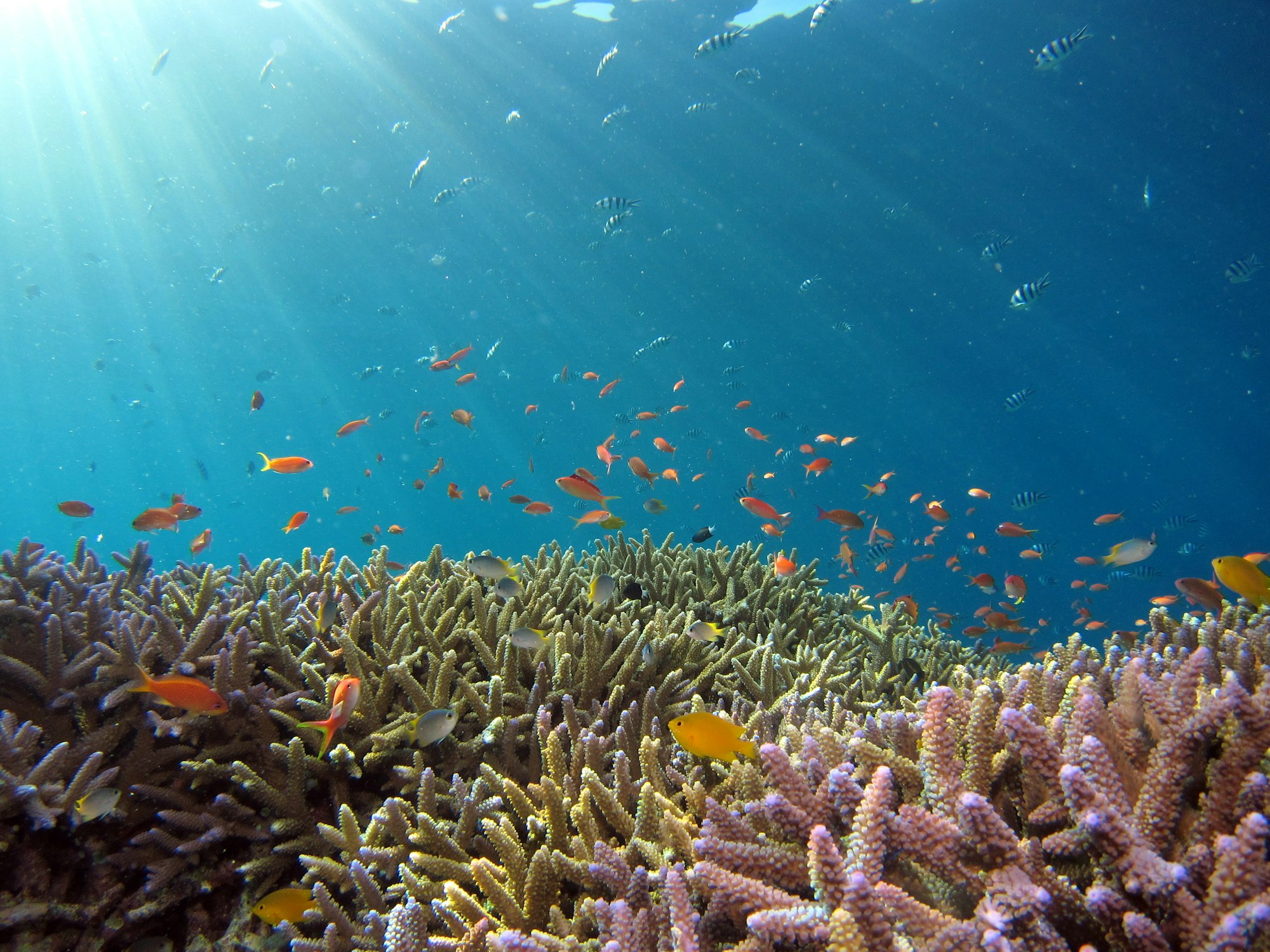
Shag Rock supports glassfish-filled crevices, grey reef sharks, and typical Gubal Strait reef fish concentrations. The Kingston wreck provides additional habitat for wreck-associated species.
Note: The relationship between this entry and the primary Shag Rock entry should be verified — both may represent sections of the same reef.
Sources: Red Sea Diving — Shag Rock, Divezone — Kingston Wreck. Last updated 2026-05-17.
Sea-surface temperature and wave height from Open-Meteo Marine (ERA5 reanalysis, monthly averages).
57 verified species observations (4 species) logged within ~11 km of this site between 1965 and 2014, from the Ocean Biodiversity Information System.
- Tursiops aduncus · Indian ocean bottlenose dolphin
- Tursiops · Bottlenose dolphins
- Tursiops truncatus · Common bottlenose dolphin
- Clausocalanus farrani
Scientific survey records skew toward sampled taxa (molluscs, corals) and do not reflect what you are guaranteed to see on a dive.
Source: OBIS (obis.org), aggregated Darwin Core occurrence records.
Conditions change with the tide and the season. If you have dived this site, share what it was actually like — date, visibility, current, and what you saw. Real, recent reports from divers are exactly what this guide is built to collect.
Send a conditions report ›