Shag Rock
27.7732°N 33.8846°E · reef
Shag Rock
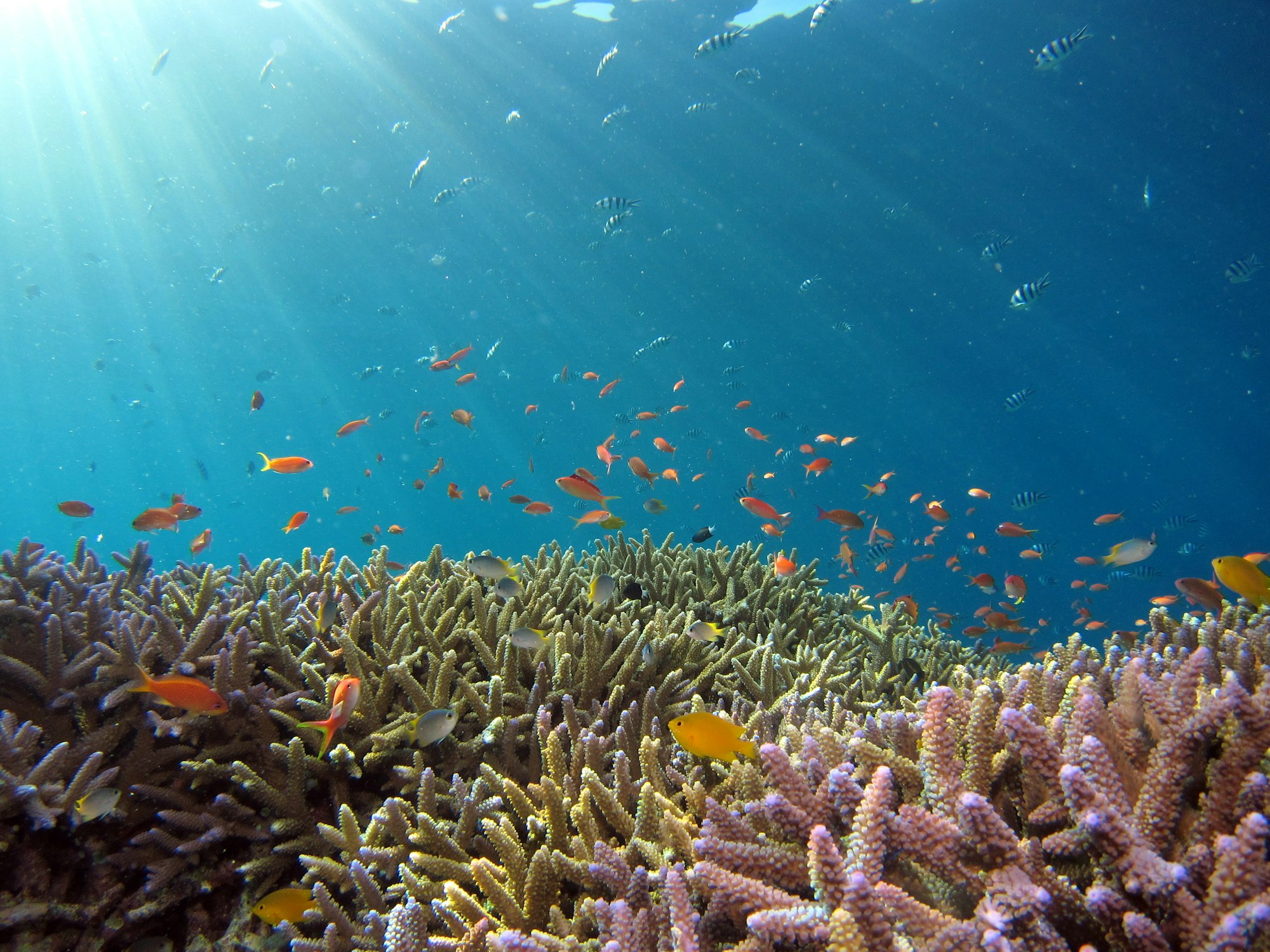
A submerged pinnacle in the Hurghada offshore zone that surfaces only at low water — a concentrated reef structure with glassfish-packed crevices, patrolling grey reef sharks, and the density of fish life typical of isolated offshore pinnacles.
Overview
Shag Rock is a submerged pinnacle at approximately 27.77°N, 33.88°E, located in the offshore zone northwest of Hurghada. As an isolated submerged structure that barely breaks the surface at low tide, it concentrates all the characteristics of a healthy offshore pinnacle: currents sweep it from multiple directions, the vertical and overhanging structure provides varied habitat, and the isolation from other reefs means fish life concentrates here in higher density than on continuous fringing reefs. The top of the pinnacle is typically at 2–4 metres, with the main coral structure extending to 15–20 metres before dropping to the sandy floor. Shag Rock is dived from Hurghada on day-boat itineraries, often paired with Giftun Island sites.
Site Information
- Location: Offshore Hurghada, northern Egyptian Red Sea (~27.77°N, 33.88°E)
- Entry Type: Boat dive
- Site Type: Reef
- Difficulty Level: Intermediate
- Maximum Depth: 20 meters
- Typical Visibility: 15–25 meters
- Current: Variable; can be strong on exposed sides
- Best Time: Year-round; October to May optimal
Marine Life
Grey reef sharks are the signature large animal at Shag Rock, reliably seen patrolling the outer edges of the pinnacle, particularly when current is running. Glassfish schools pack the overhanging sections of the pinnacle structure in dense silver clouds. Schools of barracuda and jacks circle in open water above and around the pinnacle. Large groupers occupy the deep sections of the structure at 15–20 metres. Moray eels are found throughout the crevices. Turtles are regularly seen resting on the upper sections of the pinnacle. Scorpionfish and lionfish occupy the shaded overhangs.
Dive Profile
Descend directly to the base of the pinnacle at 15–18 metres and circumnavigate the structure at depth, observing the shark patrol patterns and the deep coral coverage. Ascend the pinnacle face, visiting the glassfish overhangs at 8–12 metres. The top section at 3–5 metres can be covered as part of the safety stop — the reef is well-lit and the fish density highest here. Circumnavigating the pinnacle twice at different depths maximises the dive’s coverage.
Entry and Exit
Day boat from Hurghada (30–45 minutes). Giant stride entry adjacent to the pinnacle. Current direction should be assessed before entry and the circumnavigation direction planned accordingly. SMB deployment before ascending is essential — current can carry divers away from the pinnacle rapidly. Pair with Giftun Island or Umm Gamar for a two-dive day.
Tips and Recommendations
- Begin the dive at depth on the leeward side and work around the pinnacle with the current rather than against it
- The glassfish overhangs at 8–10 metres are the photography highlights — approach slowly to avoid disturbing the school
- Station yourself at the base of the pinnacle at 15 metres and wait — sharks typically complete predictable circuits and will return
- Afternoon dives when current is strongest tend to produce the best grey reef shark activity
Safety Considerations
The isolated pinnacle position means currents can be strong and unpredictable — assess on entry and manage depth and position carefully. Do not ascend directly from depth in current; work back to the pinnacle top before ascending. SMB is essential before surfacing. Scorpionfish and lionfish in the shaded overhangs require visual awareness. Fire coral on the upper sections of the pinnacle.
Photography
The glassfish clouds in the overhanging sections of Shag Rock are outstanding wide-angle subjects — torch-assisted shots with the school cascading across the frame are the signature image. Grey reef shark portraits with the open-ocean background require positioning at the pinnacle base with pre-positioned strobe settings. The dense fish aggregations on the upper pinnacle in morning light suit ambient wide-angle techniques.
Sources: Divezone - Red Sea, Dive the World - Egypt Red Sea, Red Sea Scuba Diving, PADI - Diving in Egypt. Last updated 2026-04-04.
Sea-surface temperature and wave height from Open-Meteo Marine (ERA5 reanalysis, monthly averages).
65 verified species observations (5 species) logged within ~11 km of this site between 1965 and 2014, from the Ocean Biodiversity Information System.
- Tursiops aduncus · Indian ocean bottlenose dolphin
- Tursiops · Bottlenose dolphins
- Stenella longirostris · Spinner dolphin
- Tursiops truncatus · Common bottlenose dolphin
- Clausocalanus farrani
Scientific survey records skew toward sampled taxa (molluscs, corals) and do not reflect what you are guaranteed to see on a dive.
Source: OBIS (obis.org), aggregated Darwin Core occurrence records.
Conditions change with the tide and the season. If you have dived this site, share what it was actually like — date, visibility, current, and what you saw. Real, recent reports from divers are exactly what this guide is built to collect.
Send a conditions report ›