Sharm Lulli
24.6250°N 35.1167°E · reef
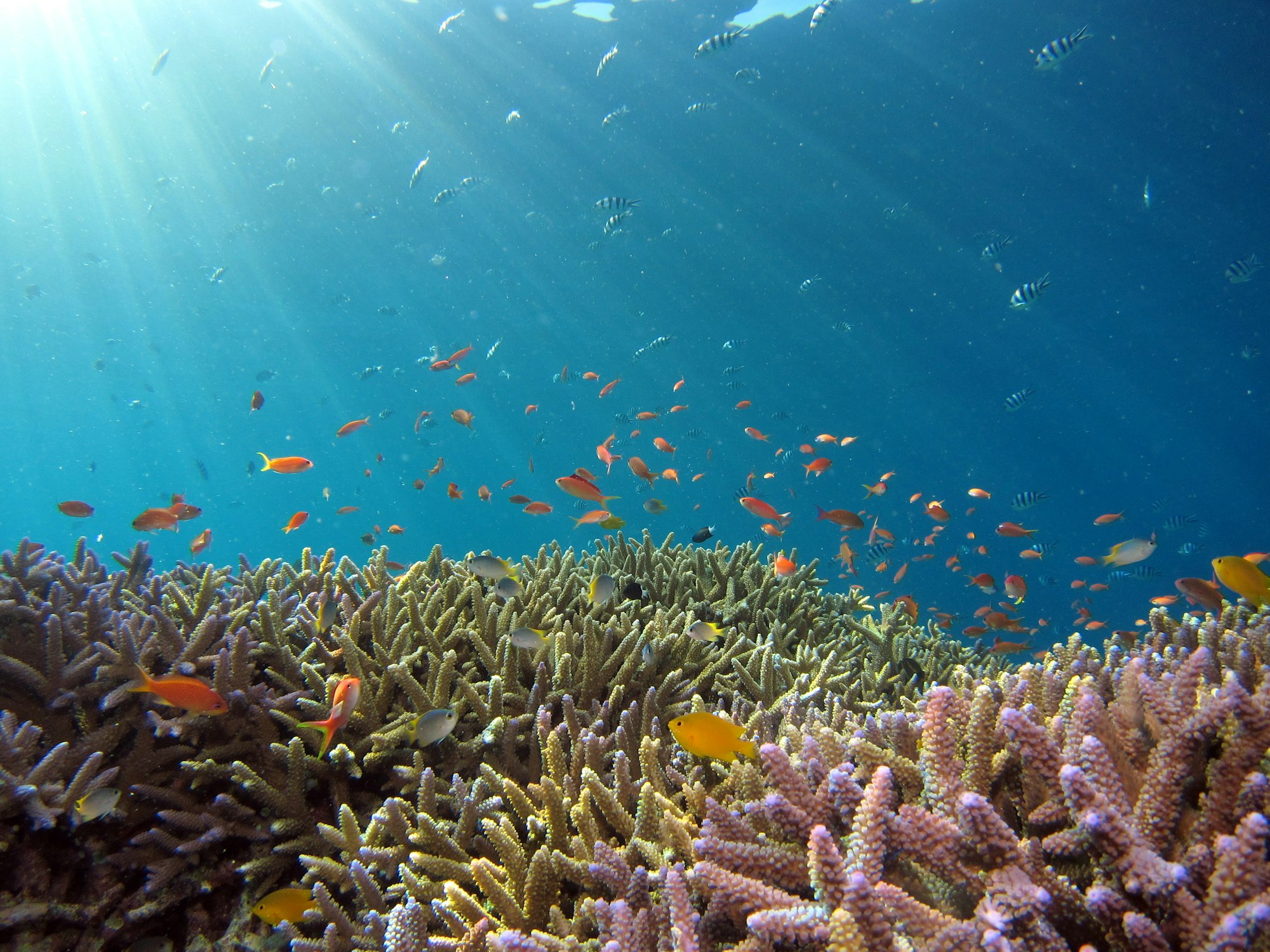
Sharm Lulli (also spelled Sharm El Luli) is a beach and reef dive site within Wadi El Gemal National Park, located approximately 60 km south of Marsa Alam on the southern Egyptian Red Sea coast (lat 24.63, lng 35.12). It is described as one of the most beautiful beaches in Egypt, with shallow turquoise water and healthy coral reefs beginning just metres from shore.
Overview
Sharm El Luli is a protected site within Wadi El Gemal National Park, with strict conservation rules designed to keep the reef healthy and the beach pristine. The water is shallow, calm, and clear — making it accessible for beginners while offering excellent visibility (up to 30 m on good days) for experienced divers and snorkellers. The fringing reef features soft and hard coral gardens in excellent condition.
Marine Life
Sea turtles are regularly seen at the reef. The site supports diverse reef fish communities across the soft and hard coral structures. The protected national park status contributes to the reef’s notable health and marine biodiversity.
Dive Profile
Shore entry from the beach with calm, shallow water entry. Reef begins within metres of the shoreline. Conditions are generally calm and protected. Suitable for beginners upward. The national park setting means regulations apply — check current permit requirements with local operators.
Site Information
- Location: Wadi El Gemal National Park, ~60 km south of Marsa Alam, Red Sea, Egypt
- Entry Type: Shore entry
- Site Type: Reef
- Difficulty Level: Intermediate
- Maximum Depth: 25 meters
Additional Resources
- Last Updated: 2026-05-17
Sources: Tourista Travel – Sharm El Luli, TripAdvisor – Sharm El Luli. Last updated 2026-05-17.
Sea-surface temperature and wave height from Open-Meteo Marine (ERA5 reanalysis, monthly averages).
170 verified species observations (119 species) logged within ~11 km of this site between 1986 and 2016, from the Ocean Biodiversity Information System.
- Phoxocampus belcheri · Black Rock Pipefish
- Halicampus mataafae · Samoan Pipefish
- Stenella longirostris · Spinner dolphin
- Tursiops aduncus · Indian ocean bottlenose dolphin
- Enneapterygius altipinnis
- Scorpaenodes hirsutus
- Sebastapistes strongia
- Rhincodon typus · Whale Shark
- Fowleria aurita
- Megaptera novaeangliae · Humpback whale
- Fowleria variegata
- Nerita sanguinolenta
Scientific survey records skew toward sampled taxa (molluscs, corals) and do not reflect what you are guaranteed to see on a dive.
Source: OBIS (obis.org), aggregated Darwin Core occurrence records.
Conditions change with the tide and the season. If you have dived this site, share what it was actually like — date, visibility, current, and what you saw. Real, recent reports from divers are exactly what this guide is built to collect.
Send a conditions report ›