Shi'b Nazar
22.3187°N 38.8537°E · reef
Shi’b Nazar
A remote coral reef in the southern Saudi Red Sea — an offshore structure in rarely-dived waters where the marine life is dense, the coral cover is exceptional, and the isolation provides a genuinely untouched diving experience.
Overview
Shi’b Nazar sits at approximately 22.32°N, 38.85°E in the southern Saudi Red Sea — remote and difficult to access without a specialist regional operator or an expedition-class liveaboard. “Shi’b” (شعب) is the Arabic term for a coral reef, and Nazar (نظار) relates to “observation” or may refer to a local toponym. The site lies in an area that receives very little recreational dive pressure due to historical constraints on dive tourism in Saudi Arabia. Offshore reefs in this latitude range share characteristics with the nearby Elba and Shaab Jimna systems: pristine coral coverage, high fish biomass, and open-ocean species that exploit the current-swept positions.
Site Information
- Location: Southern Saudi Red Sea (~22.32°N, 38.85°E)
- Entry Type: Boat dive
- Site Type: Reef
- Difficulty Level: Intermediate
- Maximum Depth: 20 meters
- Typical Visibility: 20–35 meters
- Current: Variable; moderate is typical
- Best Time: October to May
Marine Life
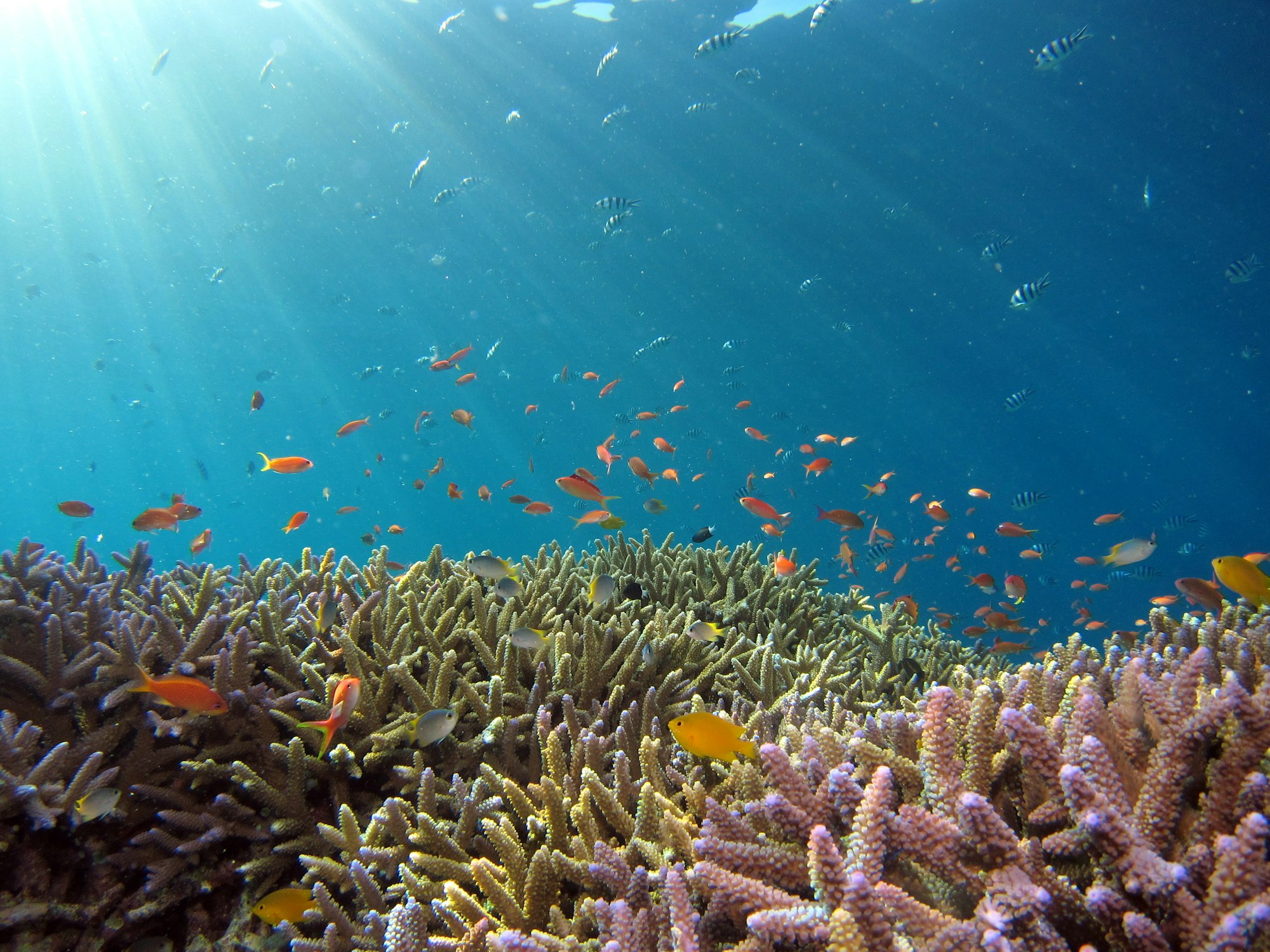
The near-pristine conditions produce fish biomass well above mainstream Red Sea sites. Dense schooling barracuda and jacks exploit the open-water adjacent to the reef. Grey reef sharks patrol the outer slope. Groupers occupy the reef in unusually high numbers — a consequence of limited fishing pressure. Hard coral coverage is exceptional: dense table corals, brain corals, and intact branching coral assemblages throughout. Moray eels in the reef crevices. Hawksbill turtles on the reef platform.
Dive Profile
Descend on the sheltered side and work to the outer reef edge at 12–18 metres. Scan the slope for pelagics before ascending and exploring the coral garden at 8–12 metres. Complete the safety stop at 5 metres on the upper reef.
Entry and Exit
Specialist regional operator or liveaboard with appropriate permissions for Saudi Red Sea waters. SMB mandatory. Giant stride entry from the tender.
Tips and Recommendations
- Research the current access requirements and permit situation carefully before planning any itinerary to Saudi Red Sea reefs
- The undisturbed coral gardens reward photography above all else — bring a wide-angle lens
- Combine with Al Fahal and Cement Reef for a comprehensive southern Saudi offshore reef itinerary
Safety Considerations
Remote position with limited emergency response. Dive conservatively and within limits. SMB before ascending. Current assessment before entry.
Photography
Pristine coral table formations in excellent natural light provide outstanding wide-angle compositions. Dense fish schools in the open water adjacent to the reef. The undisturbed subject matter creates images unavailable at mainstream sites.
Sources: Divezone - Red Sea, Dive the World - Egypt Red Sea, Red Sea Scuba Diving, PADI - Diving in Egypt. Last updated 2026-04-04.
Sea-surface temperature and wave height from Open-Meteo Marine (ERA5 reanalysis, monthly averages).
1315 verified species observations (326 species) logged within ~11 km of this site between 2011 and 2022, from the Ocean Biodiversity Information System.
- Gobiidae
- Dascyllus trimaculatus
- Eviota
- Pycnochromis dimidiatus
- Pseudocheilinus hexataenia
- Sargocentron caudimaculatum
- Muraenidae
- Serranidae
- Canthigaster cyanospilota
- Balistidae
- Ophidiidae
- Neopomacentrus xanthurus
Scientific survey records skew toward sampled taxa (molluscs, corals) and do not reflect what you are guaranteed to see on a dive.
Source: OBIS (obis.org), aggregated Darwin Core occurrence records.
Conditions change with the tide and the season. If you have dived this site, share what it was actually like — date, visibility, current, and what you saw. Real, recent reports from divers are exactly what this guide is built to collect.
Send a conditions report ›