Siyal South
24.3784°N 35.3847°E · reef
Siyal South
The southern dive site in the Siyal reef complex south of Marsa Alam — a sheltered section with sandy bottom transitions, resident reef sharks, and access to the deeper outer wall when conditions permit.
Overview
Siyal South sits at approximately 24.38°N, 35.38°E — in the Marsa Alam offshore reef zone, south of the main Marsa Alam dive cluster. The “South” designation distinguishes it from northern sections of the Siyal system and describes a dive site with a slightly more sheltered character than the exposed northern and eastern faces. This position places it in the Wadi Gamal National Park vicinity, where coral conservation protections apply. The reef at this southern section transitions from a shallower reef flat to a sandy slope, providing a diverse topographic range within a single dive. Moderate current sweeps through the site depending on tidal conditions.
Site Information
- Location: Southern Siyal reef complex, offshore Marsa Alam (~24.38°N, 35.38°E)
- Entry Type: Boat dive
- Site Type: Reef
- Difficulty Level: Intermediate
- Maximum Depth: 20 meters
- Typical Visibility: 15–25 meters
- Current: Mild to moderate
- Best Time: October to May
Marine Life
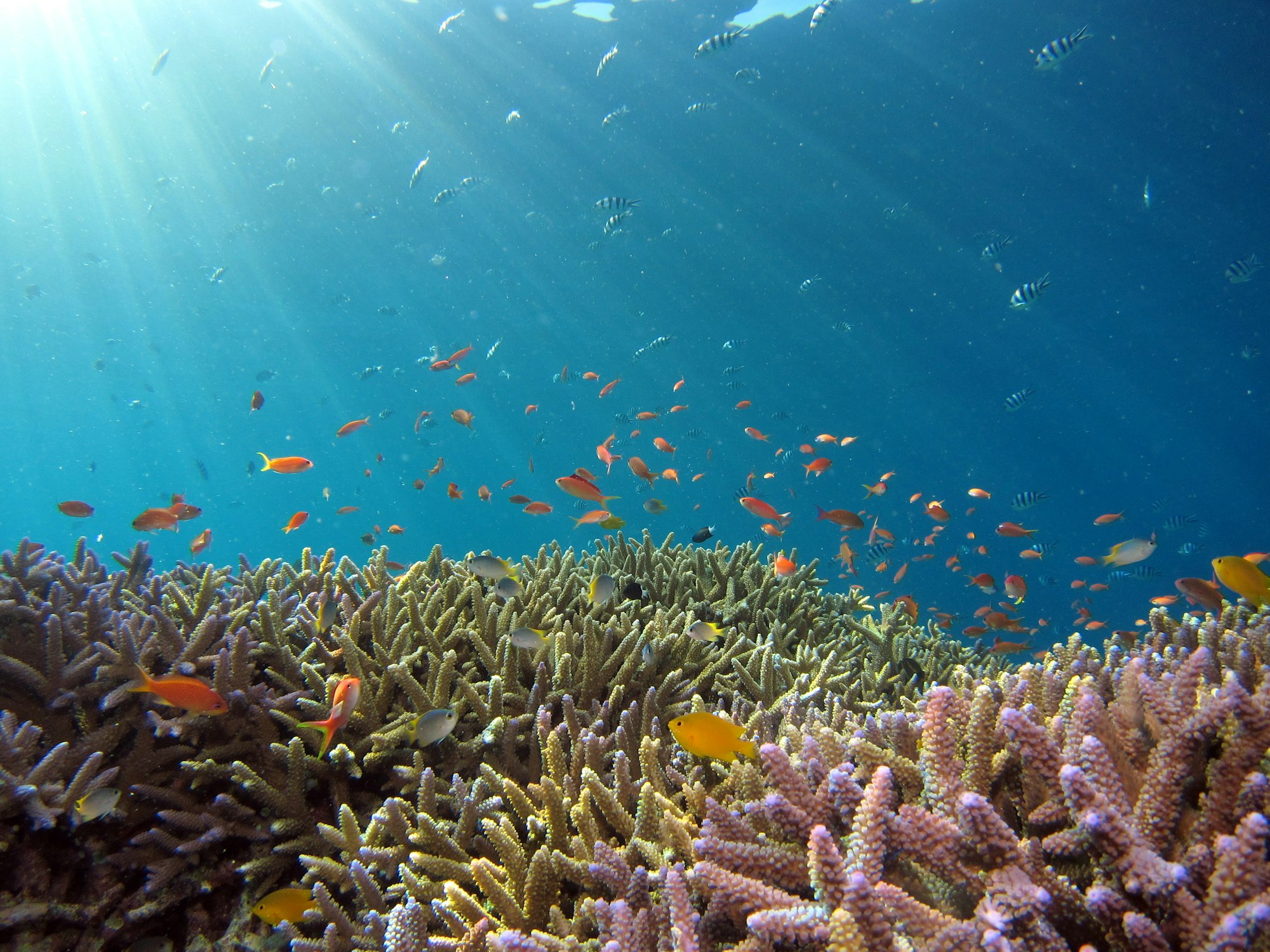
The southern section of the Siyal reef complex hosts the typical southern Red Sea assemblage: anthias clouds over the reef crest, moray eels in the coral structure, and groupers patrolling the sandy zones. Oceanic whitetip sharks have been reported passing through the outer zone of southern Red Sea reefs in this latitude band during autumn months (October to November). Spotted eagle rays cross the sandy bottom zone. Hawksbill turtles rest on the reef platform. The sandy transition zone supports blue-spotted stingrays and goby-shrimp pairs in the calmer sections.
Dive Profile
Begin on the reef crest at 5–8 metres and follow the reef edge southward, dropping to the sandy slope at 12–15 metres. Explore the sandy zone for stingrays and macro subjects before returning to the reef at 8–12 metres. The southern orientation of this section provides a relatively sheltered dive in northerly current conditions. Safety stop at 5 metres over the reef flat.
Entry and Exit
Boat from Marsa Alam (approximately 40–60 minutes depending on vessel). Giant stride entry. The site is typically dived as part of a two-dive day from Marsa Alam operators — commonly paired with other southern offshore reefs. Deploy SMB before ascending.
Tips and Recommendations
- The sandy zone at 12–15 metres repays slow, low-level searching for goby-shrimp burrows and resting rays
- Autumn dives (October to November) at the outer reef edge may produce oceanic whitetip encounters — dive the southern outer face during these months
- The sheltered southern section is a good option when northerly conditions make northern-facing sites uncomfortable
- Pair with Farewell Reef or Shaab Malahi for a comprehensive southern offshore reef day
Safety Considerations
Moderate current can develop on the outer slope, particularly on tidal transitions. Stay aware of current direction and the boat’s position relative to drift. Deploy SMB before ascending. The offshore position means surface rescue logistics require SMB use on every ascent. Standard reef hazards: fire coral, lionfish, and urchins.
Photography
The sandy transition zone at Siyal South provides macro opportunities: goby-shrimp pairs, blue-spotted rays, and flatfish. The reef crest at 5–8 metres in morning light suits ambient wide-angle work on the coral formations. The outer slope in current provides wide-angle conditions for reef fish aggregations.
Sources: Divezone - Red Sea, Dive the World - Egypt Red Sea, Red Sea Scuba Diving, PADI - Diving in Egypt. Last updated 2026-04-04.
Sea-surface temperature and wave height from Open-Meteo Marine (ERA5 reanalysis, monthly averages).
153 verified species observations (13 species) logged within ~11 km of this site between 2007 and 2026, from the Ocean Biodiversity Information System.
- Sousa chinensis · Chinese white dolphin
- Negaprion
- Stenella attenuata · Pantropical spotted dolphin
- Tursiops aduncus · Indian ocean bottlenose dolphin
- Stenella longirostris · Spinner dolphin
- Stomatella auricula
- Jactellina clathrata
- Vasticardium marerubrum
- Oceana serrulata
- Halodule pinifolia
- Halophila stipulacea
- Cymodocea rotundata
Scientific survey records skew toward sampled taxa (molluscs, corals) and do not reflect what you are guaranteed to see on a dive.
Source: OBIS (obis.org), aggregated Darwin Core occurrence records.
Conditions change with the tide and the season. If you have dived this site, share what it was actually like — date, visibility, current, and what you saw. Real, recent reports from divers are exactly what this guide is built to collect.
Send a conditions report ›