Soug Bahar
25.9823°N 34.3474°E · reef
Soug Bahar is a coral reef dive site located in the southern Egyptian Red Sea, roughly in the region between Marsa Alam and Ras Banas. The name translates loosely from Arabic as “sea market,” an evocative description of the teeming marine life found on this offshore reef.
Overview
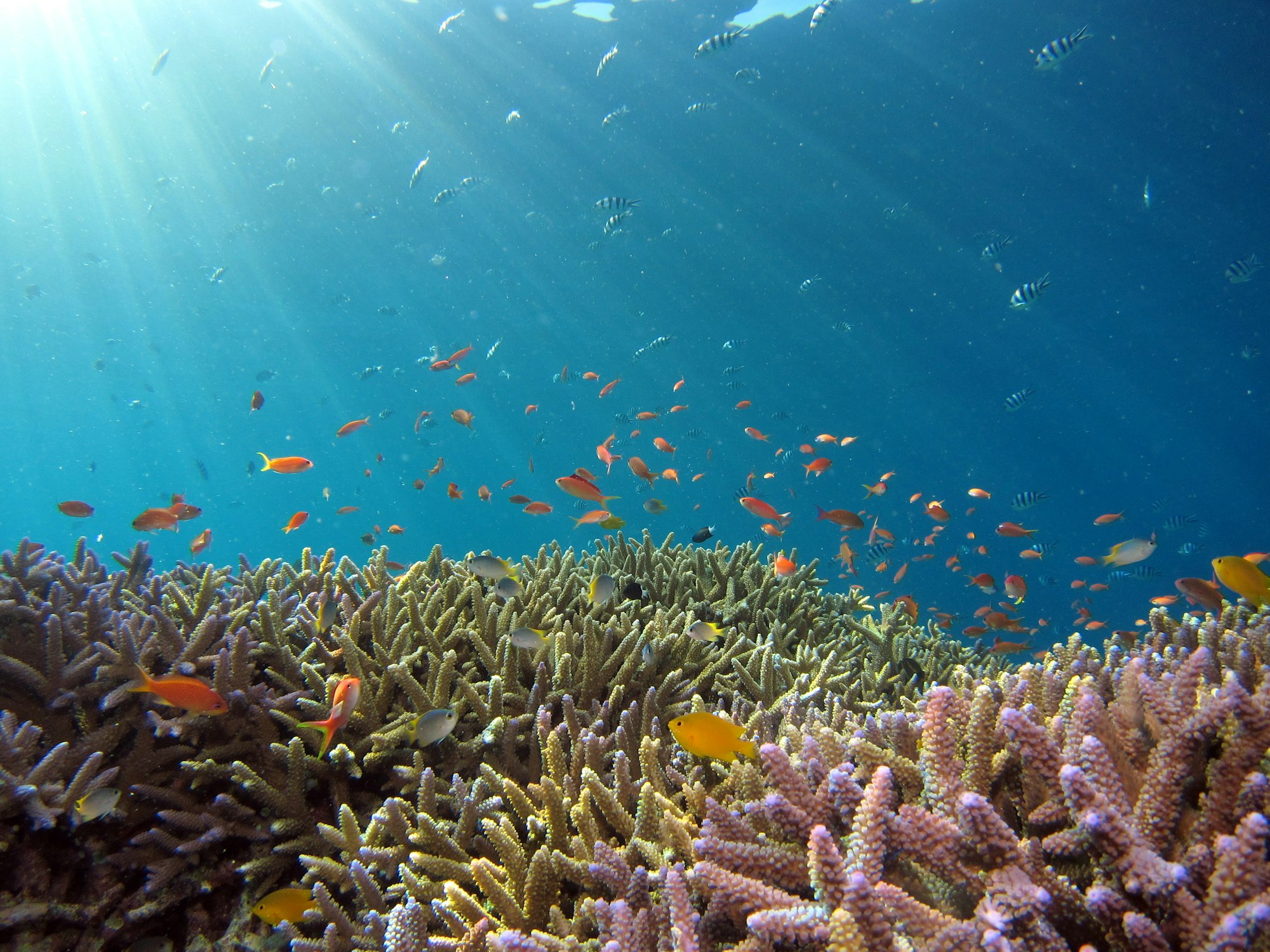
Soug Bahar is an open-ocean reef rising from deeper water, offering a classic Egyptian Red Sea diving experience with hard coral platforms, coral heads, and sandy rubble zones. The site is typically accessed by day-boat or liveaboard from the Marsa Alam area. Visibility is consistently excellent, often exceeding 25 meters, and the reef structure supports a diverse range of both reef fish and larger pelagic species.
Site Information
- Location: Southern Red Sea, Egypt (Marsa Alam area)
- Entry Type: Boat dive
- Site Type: Reef
- Difficulty Level: Intermediate
- Maximum Depth: 20 meters
- Typical Visibility: 20-30 meters (65-100 feet)
- Current: Moderate
- Best Time: October to May
Marine Life
The reef is home to a rich cross-section of Red Sea species. Dense schools of glassfish and anthias hover above the coral, drawing in groupers, trevally, and occasional humphead wrasse. Sea turtles are regularly sighted resting or feeding on the reef, and spotted eagle rays cruise the sandy margins. Lionfish and moray eels occupy the coral crevices, while clownfish tend their anemone hosts in the shallows.
Dive Profile
The reef crest sits at around 5 meters before sloping gradually to a sandy bottom at 18-20 meters. A circumnavigation of the reef structure is possible within a single dive, allowing divers to sample multiple habitats. Spend time on both the exposed and sheltered sides of the reef for contrasting coral growth and fish activity.
Entry and Exit
Accessed by liveaboard or day-boat, with entry via giant stride or back roll. A descent line or anchor chain is often available. At the end of the dive, ascend the mooring line or ascend freely and deploy an SMB for boat pickup.
Tips and Recommendations
- Check both sides of the reef — the current-facing side often has denser fish life
- Morning dives tend to have the best light for photography in the coral shallows
- Carry a reef hook for resting in any current without touching the coral
- Look in sandy patches for stingrays and sand gobies
- Carry an SMB at all times
Safety Considerations
Moderate currents are common and can shift direction. Stay aware of your position relative to the reef and the boat. Fire coral is present throughout — avoid contact. Lionfish are abundant and easily overlooked; keep hands away from the reef. Always surface with a deployed SMB.
Photography
Wide-angle shots of the coral landscape, with soft light filtering through from the surface, work well during morning dives. The fish schooling above the reef crest makes for dramatic wide compositions. Macro subjects including nudibranchs, shrimp, and small wrasse are found in the rubble zones.
Sources: Divezone - Red Sea, Dive the World - Egypt Red Sea, Red Sea Scuba Diving, PADI - Diving in Egypt. Last updated 2026-04-04.
Sea-surface temperature and wave height from Open-Meteo Marine (ERA5 reanalysis, monthly averages).
24 verified species observations (11 species) logged within ~11 km of this site between 2001 and 2016, from the Ocean Biodiversity Information System.
- Tursiops aduncus · Indian ocean bottlenose dolphin
- Istiblennius rivulatus
- Bathygobius fuscus
- Eviota prasina
- Stenella attenuata · Pantropical spotted dolphin
- Megaptera novaeangliae · Humpback whale
- Stenella longirostris · Spinner dolphin
- Aphanius
- Nerita sanguinolenta
- Echinometra mathaei
- Soleneiscus hamatus
Scientific survey records skew toward sampled taxa (molluscs, corals) and do not reflect what you are guaranteed to see on a dive.
Source: OBIS (obis.org), aggregated Darwin Core occurrence records.
Conditions change with the tide and the season. If you have dived this site, share what it was actually like — date, visibility, current, and what you saw. Real, recent reports from divers are exactly what this guide is built to collect.
Send a conditions report ›