South Point
23.6186°N 36.2038°E · reef
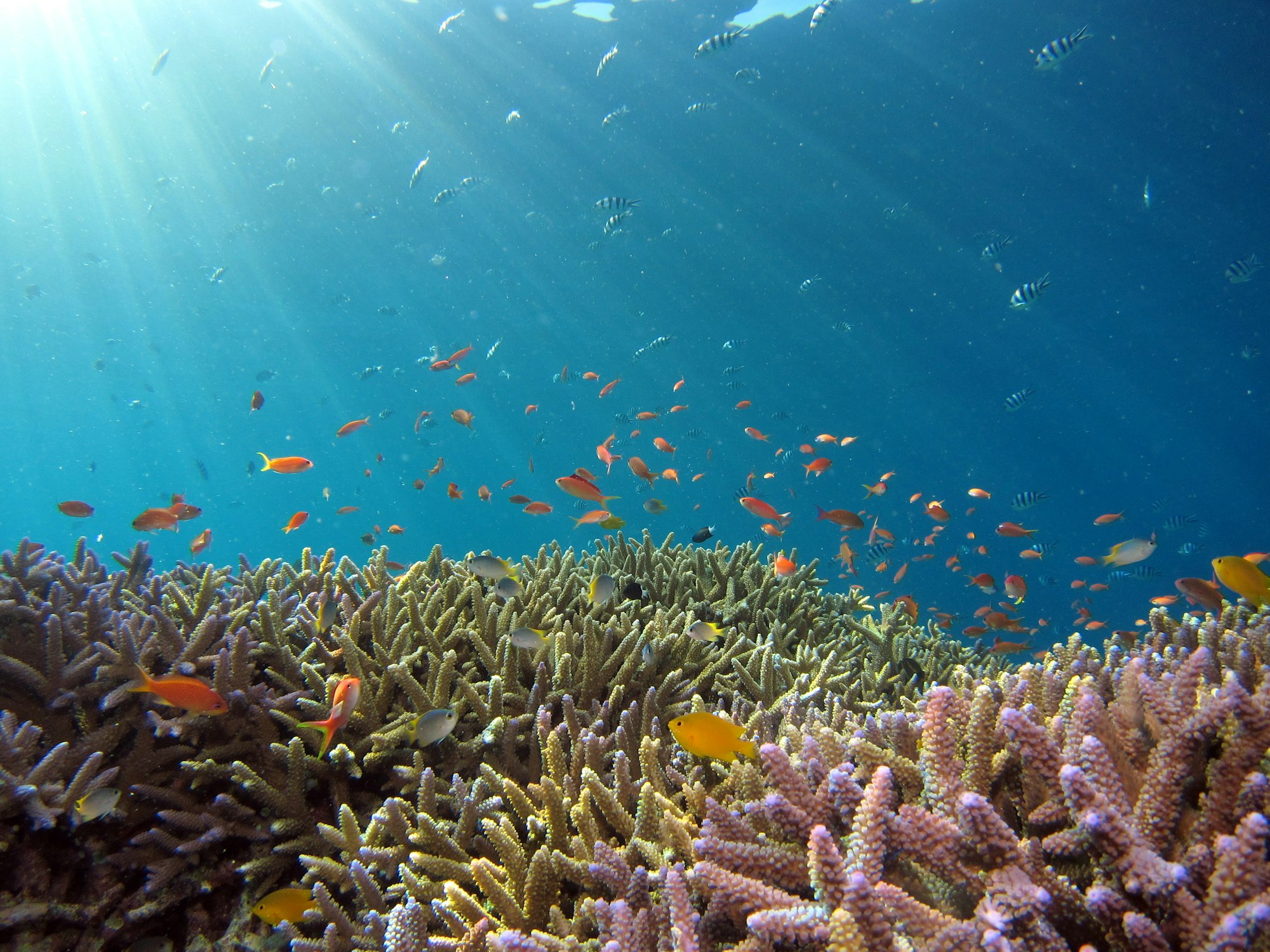
South Point is a coral reef dive site located in the far southern Egyptian Red Sea, in the area around Ras Banas or the Fury Shoals region. Its coordinates (approximately 23.6°N, 36.2°E) place it in one of Egypt’s most remote and pristine diving areas, accessible primarily by liveaboard.
Overview
South Point marks the southern extremity of an offshore reef system in the deep southern Red Sea, where open-ocean conditions bring clear water and strong pelagic activity. The site sits at the confluence of reef and open sea, making it a dynamic dive that can swing from tranquil coral garden to current-swept drift within the same dive. Liveaboards operating the Deep South route from Marsa Alam or Port Ghalib regularly include this site.
Site Information
- Location: Southern Red Sea, Egypt (Fury Shoals / Ras Banas area)
- Entry Type: Boat dive
- Site Type: Reef
- Difficulty Level: Intermediate
- Maximum Depth: 20 meters
- Typical Visibility: 20-35 meters (65-115 feet)
- Current: Moderate to strong
- Best Time: October to May
Marine Life
The southern Red Sea’s remote reefs support strong populations of large pelagics alongside resident reef species. Hammerhead sharks and oceanic whitetip sharks are occasionally sighted on the outer reef slope. Sea turtles, spotted eagle rays, and large humphead wrasse are regular encounters. Dense schools of fusilers and snappers hover in the current while giant moray eels occupy the reef’s crevices.
Dive Profile
Descend to the reef structure and follow the slope to the maximum depth of around 20 meters. The southern tip of the reef is the focal point, where currents concentrate fish life. Work along the exposed reef face, checking the blue water regularly for pelagic visitors. Retreat to the sheltered side of the reef as needed and finish with a drift back along the reef flank.
Entry and Exit
Accessed exclusively by liveaboard in this remote area. Entry via giant stride from the dinghy or main deck. Drifts are common — coordinate closely with the boat’s zodiac for pickup. Always deploy an SMB before ascending.
Tips and Recommendations
- Plan drift dives carefully and brief the zodiac team beforehand
- Watch the blue water beyond the reef edge — pelagics often cruise in the open
- A reef hook is useful for pausing at the point without touching coral
- Be prepared for rapid depth changes if a current pushes you off the reef
- Carry a whistle and mirror in addition to an SMB in this remote location
Safety Considerations
Remote location with limited emergency support — all divers should be self-sufficient and within certification limits. Strong currents at the reef point can develop quickly; abort the dive and regroup with the boat if conditions exceed your comfort level. Oceanic whitetip sharks are present in the area — maintain calm behavior and avoid erratic movements.
Photography
The remote southern Red Sea offers exceptional water clarity for wide-angle reef photography. The reef point itself, silhouetted against open blue water, creates dramatic compositions. Pelagic encounters — though unpredictable — make for memorable images when they occur.
Sources: Divezone - Red Sea, Dive the World - Egypt Red Sea, Red Sea Scuba Diving, PADI - Diving in Egypt. Last updated 2026-04-04.
Sea-surface temperature and wave height from Open-Meteo Marine (ERA5 reanalysis, monthly averages).
9 verified species observations (3 species) logged within ~11 km of this site between 2004 and 2013, from the Ocean Biodiversity Information System.
- Stenella longirostris · Spinner dolphin
- Pseudorca crassidens · False killer whale
- Tursiops · Bottlenose dolphins
Scientific survey records skew toward sampled taxa (molluscs, corals) and do not reflect what you are guaranteed to see on a dive.
Source: OBIS (obis.org), aggregated Darwin Core occurrence records.
Conditions change with the tide and the season. If you have dived this site, share what it was actually like — date, visibility, current, and what you saw. Real, recent reports from divers are exactly what this guide is built to collect.
Send a conditions report ›