Stingray Station
27.7338°N 34.1852°E · reef
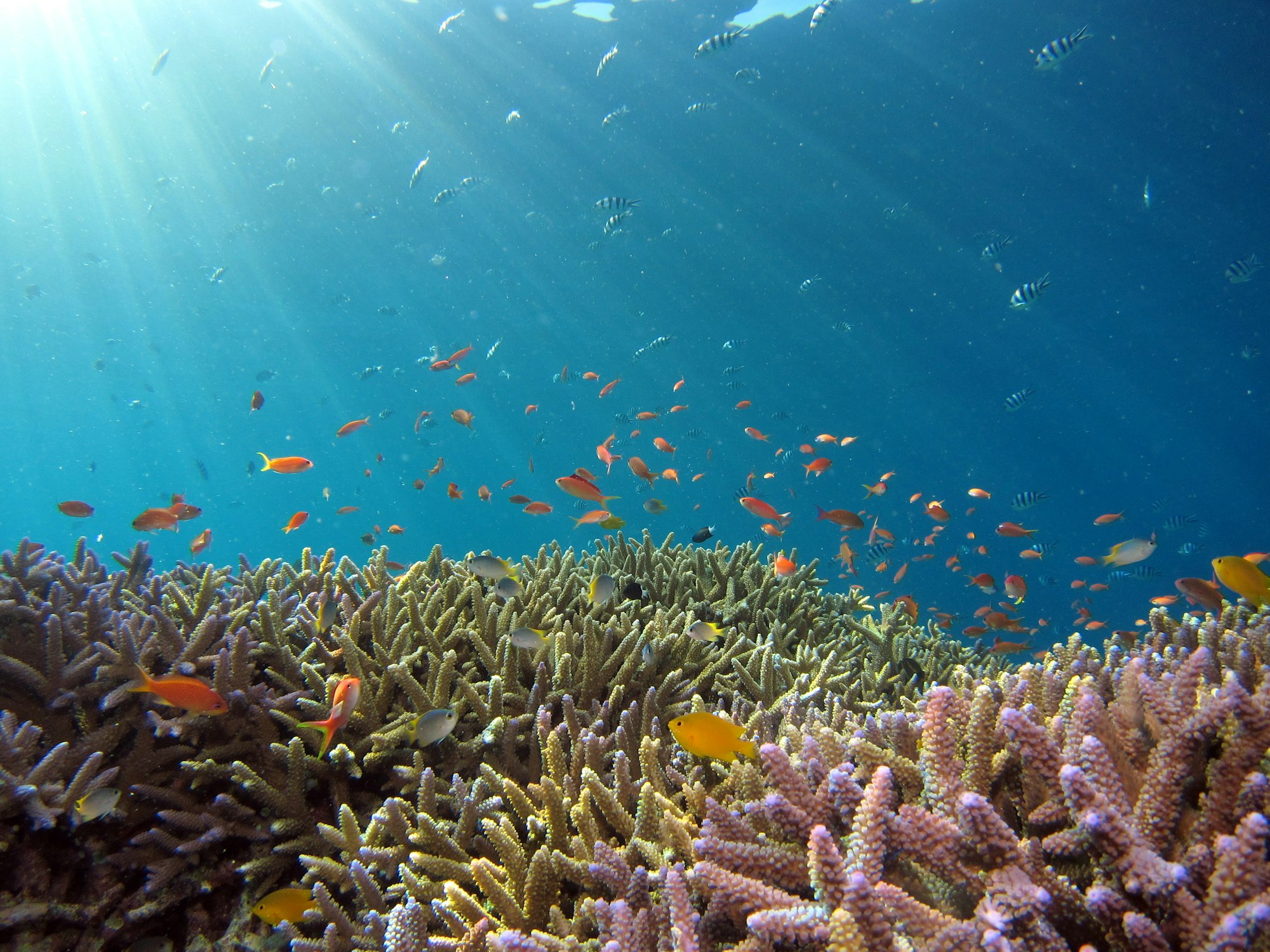
Stingray Station is a large, roughly quadrangular reef outcrop in the northwestern part of The Alternatives reef complex in the Strait of Gubal, named for the seasonal gatherings of blue-spotted ribbontail stingrays that are particularly concentrated here in spring.
Overview
The reef plateau extends for over a kilometre and sits at only about 12 m depth, making this one of the shallower dives in the Gubal area and very accessible to snorkellers due to the shelter the reef provides. The site can be dived as either a mooring dive or a drift dive. Currents are typically 1–2 knots with visibility ranging from 10–30 m.
Blue-spotted ribbontail stingrays are most reliably seen in March and April. Year-round the site is frequented by leopard (zebra) sharks resting on the sandy patches. Despite its reputation for these larger species, Stingray Station is also excellent for small-reef creatures — it hosts a notable variety of nudibranchs on the reef substrate.
Dive Profile
Depth range 10–15 m. The shallow reef top allows long bottom times. An extended plateau with patches of sand, rubble, and coral head provides varied habitat. Good for beginners and popular with snorkellers when weather shelters the reef surface.
Marine Life
- Blue-spotted ribbontail rays (especially March–April)
- Leopard (zebra) sharks resting on sandy patches year-round
- Diverse nudibranch species
- Reef fish community on the coral structures
Tips
- Best visited March–April for the concentrated stingray aggregations
- Can be combined with other Alternatives dive sites in the same morning
- The shallow depth makes it an ideal second dive to extend bottom time
Sources: DiversionDiveTravel — Stingray Station, ScubaDiving.place — The Alternatives / Stingray Station. Last updated 2026-05-17.
Sea-surface temperature and wave height from Open-Meteo Marine (ERA5 reanalysis, monthly averages).
368 verified species observations (266 species) logged within ~11 km of this site between 1967 and 2018, from the Ocean Biodiversity Information System.
- Rhincodon typus · Whale Shark
- Tursiops · Bottlenose dolphins
- Stenella attenuata · Pantropical spotted dolphin
- Tursiops truncatus · Common bottlenose dolphin
- Grampus griseus · Risso's dolphin
- Tursiops aduncus · Indian ocean bottlenose dolphin
- Priolepis cincta · Banded Reef Goby
- Stenella longirostris · Spinner dolphin
- Grammistes sexlineatus
- Ecsenius frontalis
- Trimma
- Oxycheilinus digramma
Scientific survey records skew toward sampled taxa (molluscs, corals) and do not reflect what you are guaranteed to see on a dive.
Source: OBIS (obis.org), aggregated Darwin Core occurrence records.
Conditions change with the tide and the season. If you have dived this site, share what it was actually like — date, visibility, current, and what you saw. Real, recent reports from divers are exactly what this guide is built to collect.
Send a conditions report ›