Tank
29.4188°N 34.9717°E · reef
Tank is a dive site in the Gulf of Aqaba region of the northern Red Sea, located near the Israeli-Egyptian border area at coordinates approximately 29.4°N, 34.97°E. The site takes its name from a submerged military tank — a Centurion or Sherman tank, depending on the account — that was deliberately sunk as an artificial reef and now serves as a unique and photogenic dive attraction.
Overview
The Tank is a compact but visually distinctive site where a rusting military vehicle rests on a sandy and coral-rubble bottom in about 20 meters of water. Over the decades since its submersion, the tank has become heavily encrusted with soft corals and hard coral growth, and hosts a thriving community of resident fish. It is a popular dive in the area for its historical curiosity value as much as its marine life, and is frequently visited on day trips from nearby resort towns. The site is suitable for intermediate divers and makes a compelling complement to nearby reef dives.
Site Information
- Location: Gulf of Aqaba, northern Red Sea (Israeli/Egyptian border area)
- Entry Type: Boat dive
- Site Type: Reef
- Difficulty Level: Intermediate
- Maximum Depth: 20 meters
- Typical Visibility: 20-30 meters (65-100 feet)
- Current: Light to moderate
- Best Time: Year-round
Marine Life
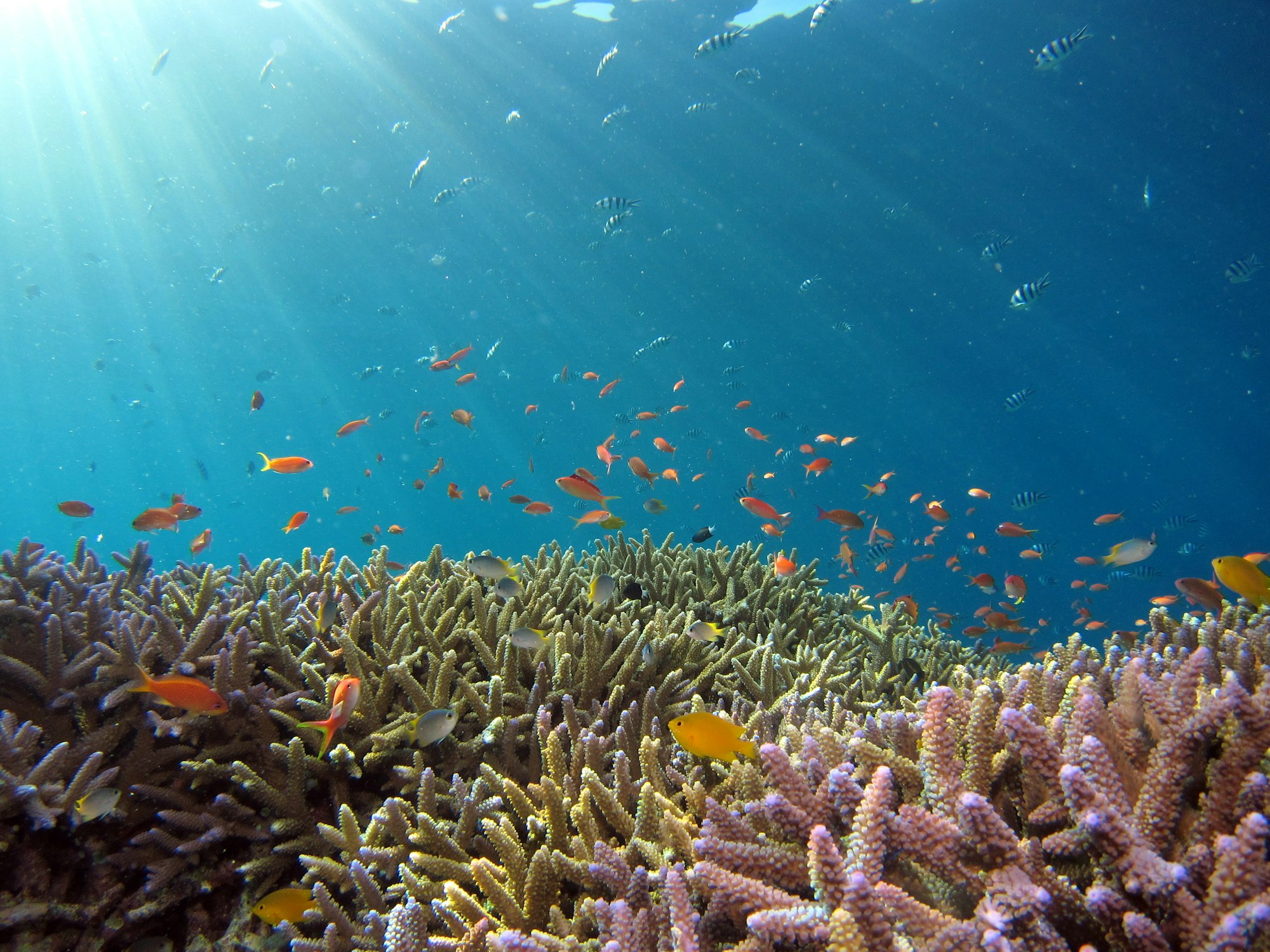
The tank has become an artificial reef in miniature. Lionfish hover around the turret and barrel, perfectly camouflaged against the coral encrustation. Groupers occupy the hull, and glassfish swarm in silvery clouds around the structure. Moray eels thread through openings in the tank body. The surrounding sandy area hosts stingrays and flatfish, while anthias and damselfish animate the nearby natural reef.
Dive Profile
Descend to the tank at around 18-20 meters and spend time exploring the full exterior of the vehicle — turret, hull, tracks, and openings. Peer inside accessible openings with a torch. After a thorough tank inspection, explore the surrounding reef and sandy area before ascending gradually for a 5-minute safety stop at 5 meters.
Entry and Exit
Accessed by day-boat or RIB from nearby dive centers. Entry via giant stride or back roll. The site is compact, making it easy to locate and return from. Deploy SMB for surface pickup.
Tips and Recommendations
- Bring a torch — the interior of the tank and the overhangs are dark and reward close inspection
- Look carefully around the tank tracks and barrel for lionfish and scorpionfish
- The tank is a compact subject — a 10-17mm fisheye lens captures the full vehicle in one frame
- Combine with a nearby reef dive for a full and varied dive day
- Respect the structure; coral growth is fragile and the historical value of the site depends on its preservation
Safety Considerations
Watch for lionfish perched on the tank — they are well camouflaged and easily brushed against inadvertently. Always surface with an SMB in this busy boating zone. Currents are generally mild, but check conditions with your operator. Dive within certification limits.
Photography
The tank is a natural subject for atmospheric wide-angle photography — the military vehicle draped in soft coral and surrounded by fish creates a striking image. A fisheye lens placed at the level of the tracks or looking along the barrel creates dramatic perspectives. Detail shots of the coral encrustation and resident fish complete the story.
Sources: Divezone - Red Sea, Dive the World - Egypt Red Sea, Red Sea Scuba Diving, PADI - Diving in Egypt. Last updated 2026-04-04.
Sea-surface temperature and wave height from Open-Meteo Marine (ERA5 reanalysis, monthly averages).
30640 verified species observations (80 species) logged within ~11 km of this site between 1999 and 2019, from the Ocean Biodiversity Information System.
- Siganus rivulatus · marbled spinefoot
- Grampus griseus · Risso's dolphin
- Alectrias benjamini
- Scorpaenopsis cirrosa
- Parapercis hexophtalma
- Rhopalaea idoneta
- Coxiella
- Tridacna maxima
- Columbellidae
- Berthellina citrina
- Acropora eurystoma
- Acropora digitifera
Scientific survey records skew toward sampled taxa (molluscs, corals) and do not reflect what you are guaranteed to see on a dive.
Source: OBIS (obis.org), aggregated Darwin Core occurrence records.
Conditions change with the tide and the season. If you have dived this site, share what it was actually like — date, visibility, current, and what you saw. Real, recent reports from divers are exactly what this guide is built to collect.
Send a conditions report ›