Tobia Araba
26.8367°N 33.9913°E · reef
Tobia Araba
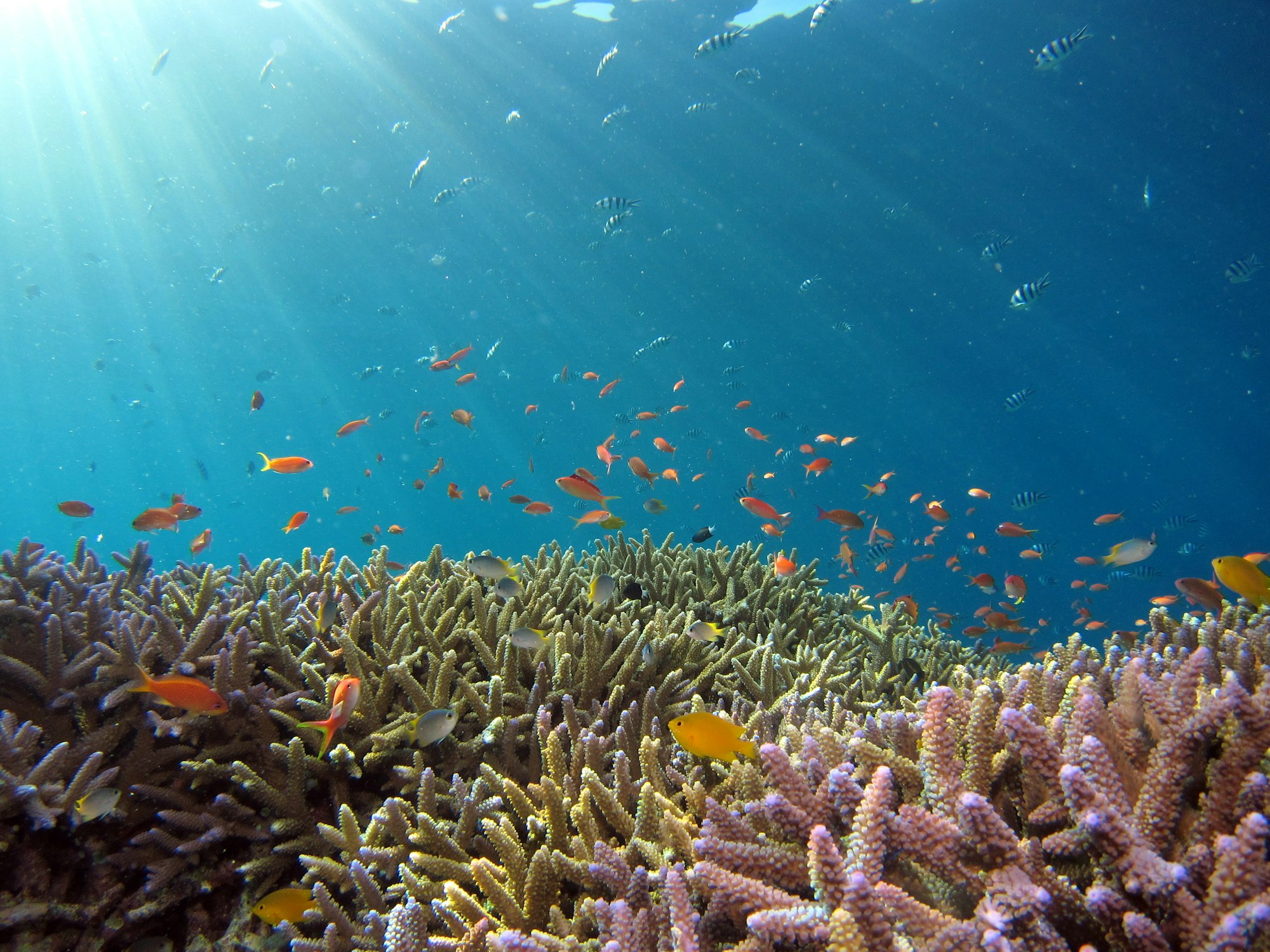
Seven coral pinnacles rising from a shallow sandy bottom near Safaga — an accessible and versatile site that works equally well as a day dive and a night dive, known for lionfish, puffer fish, and octopus.
Overview
Tobia Araba (also spelled Tobia Arba’a — meaning “Four Tobia” in Arabic, though the site actually has seven distinct pinnacles) is a submerged reef structure in the Safaga area of the central Egyptian Red Sea, accessible from both Safaga and Hurghada. The reef consists of a cluster of coral pinnacles (ergs) that nearly reach the surface, rising from a sandy bottom at around 15 metres. No strong current affects the site in most conditions, and the maximum dive depth stays within 15–20 metres, making this one of the most beginner-friendly offshore sites in the area while still providing enough structural complexity to interest experienced divers. It has an established reputation as an excellent night dive site.
Site Information
- Location: Safaga area, central Egyptian Red Sea
- Entry Type: Boat dive
- Site Type: Reef
- Difficulty Level: Intermediate
- Maximum Depth: 20 meters
- Typical Visibility: 15–25 meters
- Current: Generally mild
- Best Time: Year-round; October to May optimal
Marine Life
The pinnacles host diverse hard and soft coral coverage with resident communities of puffer fish, lionfish, and coral groupers at every erg. Octopuses occupy crevices between pinnacles and are reliably found on night dives. Moray eels are common in the gaps between coral formations. Clownfish occupy anemones on the upper pinnacle surfaces. The sandy areas between pinnacles host blue-spotted stingrays, garden eels (smaller colonies than at Tobia Kebir), and flatfish. Horse mackerel and barracuda patrol the open water around the pinnacle cluster. At night, hunting crustaceans, sleeping parrotfish in mucus cocoons, and Spanish dancers emerge.
Dive Profile
Entry on the sandy bottom adjacent to the pinnacle cluster at 12–15 metres. Navigate between the individual pinnacles, exploring the crevices and gaps at each. Most of the biological interest is concentrated in the 5–15 metre range on the upper and mid sections of the pinnacles. The sandy bottom between ergs is worth examining for rays and octopuses. The site is small enough that a thorough exploration of all seven pinnacles fits in a single dive. Safety stop in the shallows at 3–5 metres on the upper pinnacle surfaces.
Entry and Exit
Boat from Safaga or Hurghada. Entry by giant stride on the sandy area adjacent to the reef. The accessible depth and calm conditions make this site appropriate for entry-level divers doing some of their first boat dives. Night dive operations are common here — entry and exit are both handled from the dive dhow with guide torches marking the line.
Tips and Recommendations
- This is one of the best night dive sites in the Safaga area — a night dive is highly recommended
- Approach lionfish carefully — their venomous spines are a hazard to inattentive divers
- Check crevice entrances at the base of each pinnacle for resting octopuses and moray eels
- The site is shallow enough for comfortable air management — take your time at each pinnacle rather than rushing through all seven
- Pairs well with Tobia Kebir or Tobia Hamra for a two-site day trip
Safety Considerations
Conditions are generally benign at Tobia Araba. The primary hazard is lionfish — their camouflage makes them easy to contact accidentally, resulting in painful stings. Maintain awareness of your surroundings when exploring crevices. Titan triggerfish may be present in summer nesting season; give any territorial fish space. Fire coral is present on the pinnacle surfaces. Standard safety procedures apply: complete a safety stop and deploy an SMB before surfacing.
Photography
The pinnacle cluster offers versatile photographic opportunities. Close-focus wide-angle shots of a single pinnacle capture the coral coverage in context. Lionfish among soft corals are outstanding macro-to-wide subjects. At night, octopus portraits with a single strobe, sleeping parrotfish in their mucus cocoons, and hunting crustaceans provide rich macro subjects. The sandy areas between pinnacles offer blue-spotted stingray portraits and garden eel detail shots.
Sources: Divezone - Red Sea, Dive the World - Egypt Red Sea, Red Sea Scuba Diving, PADI - Diving in Egypt. Last updated 2026-04-04.
Sea-surface temperature and wave height from Open-Meteo Marine (ERA5 reanalysis, monthly averages).
291 verified species observations (260 species) logged within ~11 km of this site between 1990 and 2023, from the Ocean Biodiversity Information System.
- Tursiops aduncus · Indian ocean bottlenose dolphin
- Stenella longirostris · Spinner dolphin
- Branchiostoma
- Balaenoptera omurai · Omurai's whale
- Nerita sanguinolenta
- Maculastrombus mutabilis
- Nerita quadricolor
- Hexabranchus sanguineus
- Pirenella conica
- Epimenia
- Conus
- Thuridilla hopei
Scientific survey records skew toward sampled taxa (molluscs, corals) and do not reflect what you are guaranteed to see on a dive.
Source: OBIS (obis.org), aggregated Darwin Core occurrence records.
Conditions change with the tide and the season. If you have dived this site, share what it was actually like — date, visibility, current, and what you saw. Real, recent reports from divers are exactly what this guide is built to collect.
Send a conditions report ›