Tobia Hamra
26.8312°N 33.9859°E · reef
Tobia Hamra
Named for the blanket of red and purple soft corals that smother its main pinnacle — a sheltered, colour-saturated reef in Soma Bay with zebra sharks, spotted eagle rays, and minimal current.
Overview
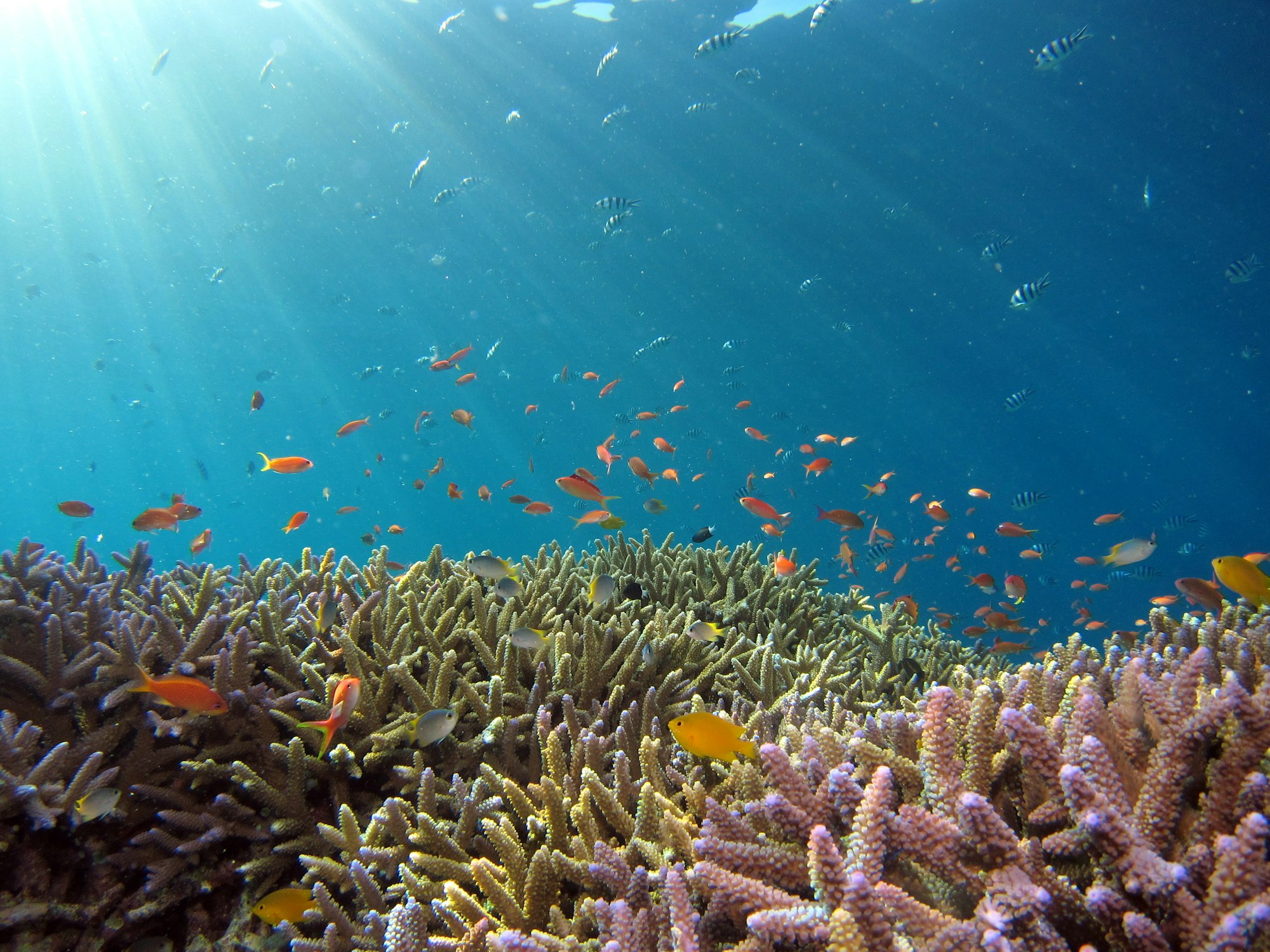
Tobia Hamra (“Red Tobia” in Arabic) is a two-kilometre-long reef located off Tobia Island in the Soma Bay area, south of Ras Abu Soma and north of Sandy Island, near Safaga. The reef is sheltered inside the Soma Bay system, which means there is rarely any significant current here — an advantage that makes it one of the most accessible and photogenic reefs in the Safaga area. The main pinnacle is blanketed with an exceptional growth of red and purple soft corals (Dendronephthya species) that give the site its name. A maze of sandy canyons runs through the reef structure, with ridges dropping from 4 to 20 metres creating a varied topography. Zebra sharks have been documented resting on the sandy plains between canyons.
Site Information
- Location: Soma Bay / Tobia Island area, Safaga, central Egyptian Red Sea
- Entry Type: Boat dive
- Site Type: Reef
- Difficulty Level: Intermediate
- Maximum Depth: 20 meters
- Typical Visibility: 15–25 meters
- Current: Generally very mild to calm (sheltered by Soma Bay)
- Best Time: Year-round; October to May optimal
Marine Life
The soft coral coverage on the main pinnacle is the site’s signature feature — the red and purple Dendronephthya species in feeding position create a vivid backdrop for fish portraits. Spotted eagle rays glide through the canyon systems and over the sandy floor. Hawksbill turtles rest on the reef platforms and are regularly approached at close range in the calm conditions. Zebra (leopard) sharks rest on the sandy plains between coral ridges — one of the few Safaga-area sites with consistent zebra shark sightings. Schools of anthias, clownfish in anemones, butterflyfish, and surgeonfish fill the upper sections of the pinnacle. Lionfish in the shade of canyon overhangs. Horse mackerel and barracuda hunt in the mid-water above the canyon system.
Dive Profile
The dive plan is a multi-level circumnavigation of the main pinnacle complex at 5–15 metres, following the ridge and canyon system. Begin at the top of the pinnacle at 4–5 metres to see the full extent of the soft coral coverage, then descend along one face to the sandy canyon floor. Work systematically through the canyon system, ascending and descending between ridges. The sandy plains at 15 metres are the section to search for resting zebra sharks. Finish with a circuit of the outer reef edge at 15–18 metres. Safety stop at 5 metres over the pinnacle top in excellent natural light.
Entry and Exit
Boat from Safaga or Soma Bay resort hotels (15–25 minutes). Calm conditions allow easy entry and exit. Multiple mooring buoys available. Giant stride entry onto the open water adjacent to the main pinnacle.
Tips and Recommendations
- Approach the sandy plains between canyon ridges slowly for zebra shark sightings — they are resting and will stay if disturbed gently
- Visit the main pinnacle at the start of the dive when air is highest — the soft coral growth rewards close inspection
- This site is excellent for photography training — calm conditions, good light, and colourful subjects
- The canyon system rewards slow, deliberate navigation; a compass helps track position within the maze
- Night dives at Tobia Hamra are excellent — the soft corals extend their polyps fully at night
Safety Considerations
Conditions at Tobia Hamra are among the most benign of any Red Sea offshore reef. The sheltered bay position eliminates most current and wave concerns. Primary hazards: lionfish in canyon overhangs; fire coral on the ridge surfaces. Titan triggerfish may be territorial in summer nesting season. Always deploy an SMB before ascending — even in calm conditions, the surface pickup requires visibility.
Photography
Tobia Hamra’s soft coral coverage makes it one of the Safaga area’s best photography sites. Close-focus wide-angle shots of the Dendronephthya-covered pinnacle face with strobe fill are the signature composition. Zebra shark portraits on the sandy floor are relatively rare Red Sea images. Spotted eagle ray photography is accessible in the well-lit water column. The calm, clear water allows extended exposure times and natural-light ambient-light photography.
Sources: Divezone - Red Sea, Dive the World - Egypt Red Sea, Red Sea Scuba Diving, PADI - Diving in Egypt. Last updated 2026-04-04.
Sea-surface temperature and wave height from Open-Meteo Marine (ERA5 reanalysis, monthly averages).
293 verified species observations (262 species) logged within ~11 km of this site between 1990 and 2023, from the Ocean Biodiversity Information System.
- Tursiops aduncus · Indian ocean bottlenose dolphin
- Stenella longirostris · Spinner dolphin
- Branchiostoma
- Balaenoptera omurai · Omurai's whale
- Nerita sanguinolenta
- Maculastrombus mutabilis
- Nerita quadricolor
- Hexabranchus sanguineus
- Pirenella conica
- Epimenia
- Conus
- Thuridilla hopei
Scientific survey records skew toward sampled taxa (molluscs, corals) and do not reflect what you are guaranteed to see on a dive.
Source: OBIS (obis.org), aggregated Darwin Core occurrence records.
Conditions change with the tide and the season. If you have dived this site, share what it was actually like — date, visibility, current, and what you saw. Real, recent reports from divers are exactly what this guide is built to collect.
Send a conditions report ›