Tofa Abu Hashish
27.0257°N 33.9114°E · reef
Tofa Abu Hashish
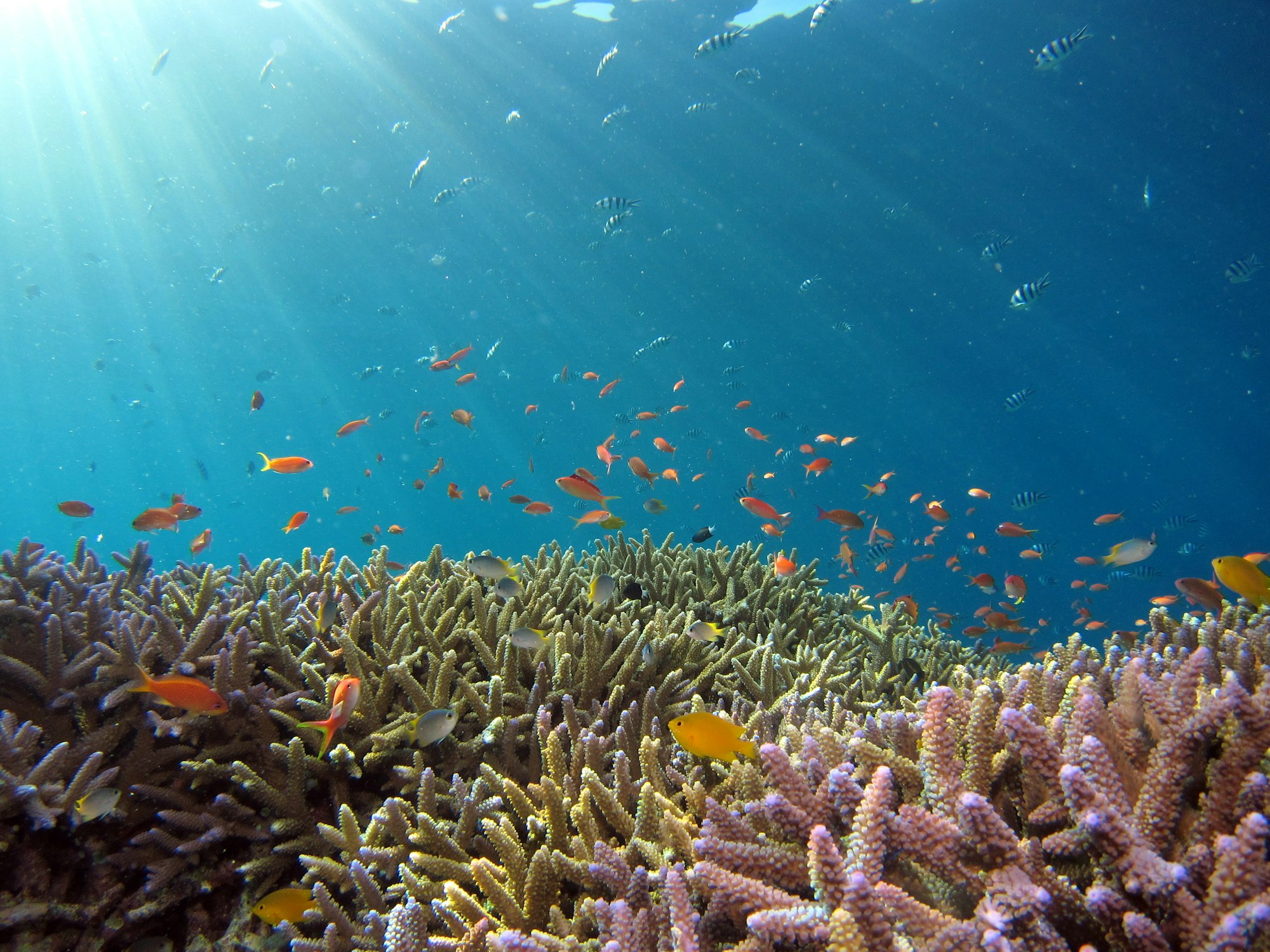
A coral reef in the Abu Hashish cluster south of Hurghada — a connected reef system with sandy channels, resident moray eels, and the productive fish-tank density that makes Makadi Bay area dives consistently satisfying despite being less prominent than the Giftun Island sites.
Overview
Tofa Abu Hashish is located at approximately 27.03°N, 33.91°E in the Makadi Bay offshore zone, part of the Abu Hashish reef cluster that also includes Erg Abu Hashish. The Abu Hashish area sits between Hurghada and Makadi Bay — accessible to operators from both locations — and provides quality coral reef diving in a stretch of coast less celebrated but consistently productive. The name Abu Hashish appears across multiple dive sites in this area, reflecting a cluster of related reefs and ergs. Tofa (also spelled “Tofah”) is a reef form with connected structures rather than an isolated pinnacle.
Site Information
- Location: Abu Hashish area, Makadi Bay offshore zone, ~35 km south of Hurghada
- Entry Type: Boat dive
- Site Type: Reef
- Difficulty Level: Intermediate
- Maximum Depth: 20 meters
- Typical Visibility: 15–25 meters
- Current: Mild to moderate
- Best Time: Year-round; October to May optimal
Marine Life
Moray eels are a consistent resident throughout the reef structure, occupying crevices at all depths from the shallow upper sections to the sandy base at 18–20 metres. Large groupers patrol the outer reef face. Blue-spotted stingrays rest in the sandy channels. The upper reef carries dense anthias and chromis populations. Schools of fusiliers sweep the open water adjacent to the outer slope. Scorpionfish in camouflaged positions on the reef edge. The sandy channels between reef structures support goby-shrimp pairs in the calmer zones.
Dive Profile
Begin at the outer reef slope at 12–15 metres and work along the reef face. Transition to the sandy channels at 15–18 metres for macro exploration. The upper reef at 5–10 metres provides the highest fish density and best natural light. Safety stop at 5 metres over the reef crest.
Entry and Exit
Day boat from Hurghada (45–60 minutes) or Makadi Bay hotels (shorter). Pair with Erg Abu Hashish for a two-site Abu Hashish area day. Giant stride entry. SMB deployment before ascending.
Tips and Recommendations
- The sandy channels between reef structures are the macro zone — search for goby-shrimp pairs and move slowly to avoid disturbing them
- Pair with Erg Abu Hashish for the contrast between continuous reef and isolated pinnacle diving in the same area
- The moray eel population here is particularly reliable — carry a torch for crevice examination
Safety Considerations
Mild current is typical. Scorpionfish require visual awareness on the reef edges. Fire coral on the upper reef. SMB before ascending.
Photography
Sandy channel macro work — goby-shrimp pairs, blue-spotted rays — rewards a patient, low-angle approach. Moray eel portraits in their natural crevice positions suit macro technique with torch illumination.
Sources: Divezone - Red Sea, Dive the World - Egypt Red Sea, Red Sea Scuba Diving, PADI - Diving in Egypt. Last updated 2026-04-04.
Sea-surface temperature and wave height from Open-Meteo Marine (ERA5 reanalysis, monthly averages).
817 verified species observations (399 species) logged within ~11 km of this site between 1996 and 2014, from the Ocean Biodiversity Information System.
- Myurella nebulosa
- Clanculus pharaonius
- Atactodea striata
- Planaxis savignyi
- Clivipollia incarnata
- Purpurcapsula rubramaculosa
- Smaragdia rangiana
- Quadrans sericatus
- Petrolisthes boscii
- Apicomplexa
- Sphingomonas
- Ichthyosporea
Scientific survey records skew toward sampled taxa (molluscs, corals) and do not reflect what you are guaranteed to see on a dive.
Source: OBIS (obis.org), aggregated Darwin Core occurrence records.
Conditions change with the tide and the season. If you have dived this site, share what it was actually like — date, visibility, current, and what you saw. Real, recent reports from divers are exactly what this guide is built to collect.
Send a conditions report ›