Torfi, Wadi Gamal
24.6750°N 35.1458°E · reef
Torfi, Wadi Gamal
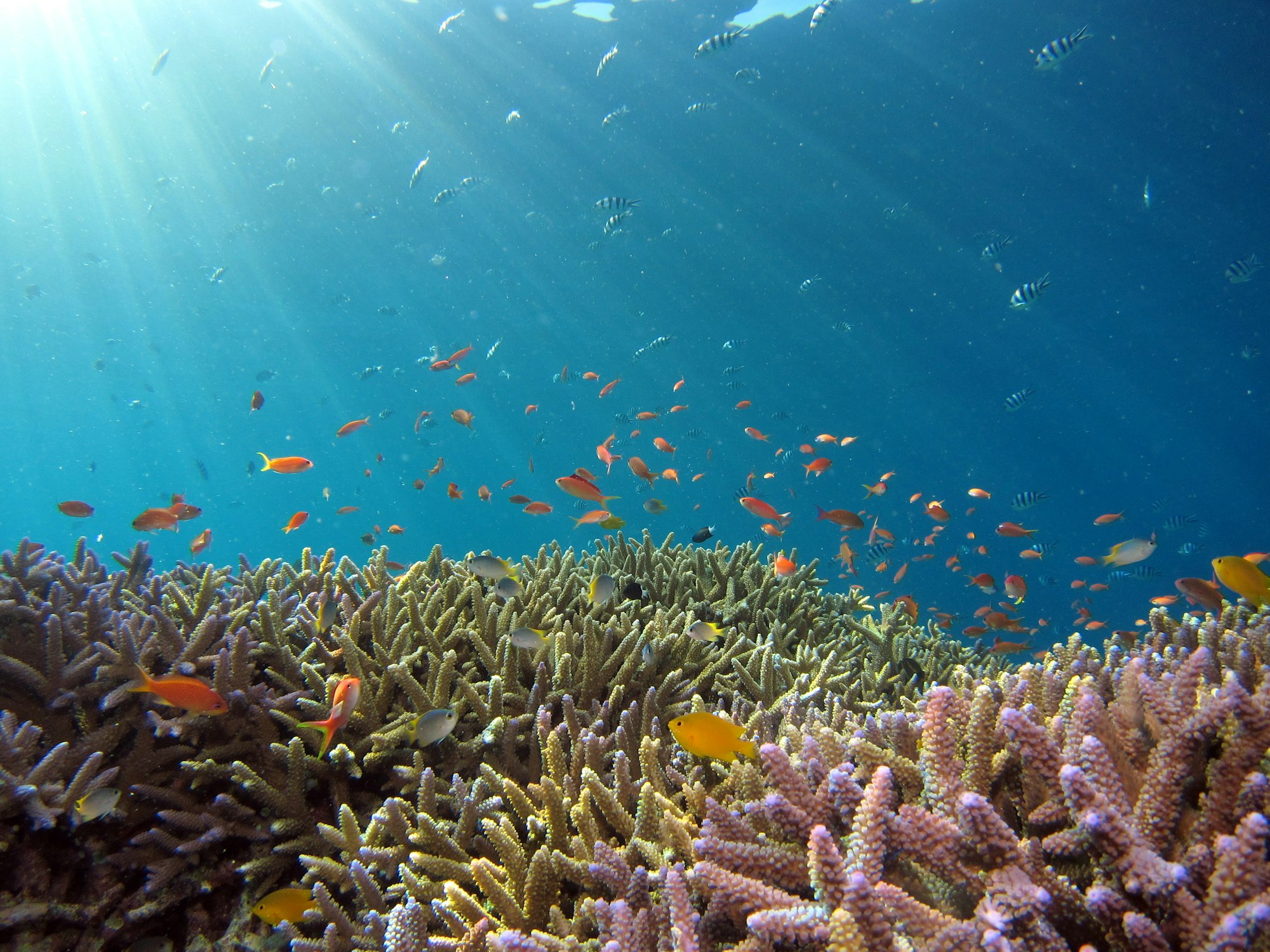
A reef within the Wadi el Gemal National Park — one of the protected marine areas north of Marsa Alam where dugong sightings are possible among the seagrass and the fringing reef offers calm diving conditions in a nationally significant conservation zone.
Overview
Torfi lies at approximately 24.67°N, 35.15°E within or adjacent to the Wadi el Gemal (Wadi Gamal) National Park — a protected area north of Marsa Alam established specifically to protect dugongs, sea turtles, and the seagrass meadows they depend on. The national park context shapes diving here: boat access is regulated, diver numbers are managed, and the marine life reflects reduced pressure. Torfi is one of the dive sites within the park accessible on day-trip itineraries from Marsa Alam or Port Ghalib, and sits in a seagrass-adjacent zone that produces the dugong encounters for which the park is known.
Site Information
- Location: Wadi el Gemal National Park, north of Marsa Alam (~24.67°N, 35.15°E)
- Entry Type: Boat dive
- Site Type: Reef
- Difficulty Level: Intermediate
- Maximum Depth: 20 meters
- Typical Visibility: 15–20 meters
- Current: Generally mild; protected park zone
- Best Time: October to May; dugong encounters year-round but best in winter
Marine Life
Dugongs are the signature species of Wadi el Gemal National Park — they are encountered grazing the seagrass meadows adjacent to the reef and crossing the sandy zones between reef and seagrass. Hawksbill turtles are abundant throughout the park and regularly rest on the reef platform at Torfi. The reef carries a healthy assemblage of groupers, moray eels, and reef fish. Spinner dolphins transit the park waters and are occasionally encountered. The seagrass meadows are accessed via the sandy sections adjacent to the reef.
Dive Profile
Begin on the reef crest at 5–8 metres and work along the outer slope at 12–15 metres. Transition to the sandy and seagrass zones at 12–18 metres, where dugong grazing occurs. Patient, slow movement through the seagrass is essential — bubbles can startle dugongs into departure before a sighting is confirmed. Safety stop at 5 metres over the reef.
Entry and Exit
Day boat from Marsa Alam or Port Ghalib (30–50 minutes). National park entry fees apply. Group sizes are regulated. Giant stride entry. SMB deployment before ascending.
Tips and Recommendations
- Dugong encounters require patience and very slow, quiet movement — any rapid movement or loud breathing will cause the animal to leave
- Position downwind of the seagrass meadow when waiting — dugongs surface periodically and may be spotted before they approach the reef
- Turtles are reliable sightings and less skittish than dugongs — use turtle encounters to practice the calm approach technique before seeking dugongs
- Early morning dives in the national park are best for dugong activity
Safety Considerations
Follow all national park dive regulations — these exist specifically to protect dugong and turtle populations. Do not approach dugongs to within 5 metres. Mild conditions are typical in the park zone. SMB before ascending. Avoid the seagrass meadows if visibility is poor.
Photography
Dugong photography in seagrass requires a wide-angle lens, minimum disturbance approach, and natural light — artificial strobe flash disturbs the animals. Turtle portraits on the reef platform are more accessible and suit a macro/telephoto approach. The seagrass meadow with natural light filtering through the water surface creates distinctive ambient wide-angle compositions.
Sources: Divezone - Red Sea, Dive the World - Egypt Red Sea, Red Sea Scuba Diving, PADI - Diving in Egypt. Last updated 2026-04-04.
Sea-surface temperature and wave height from Open-Meteo Marine (ERA5 reanalysis, monthly averages).
296 verified species observations (118 species) logged within ~11 km of this site between 1986 and 2023, from the Ocean Biodiversity Information System.
- Phoxocampus belcheri · Black Rock Pipefish
- Stenella longirostris · Spinner dolphin
- Halicampus mataafae · Samoan Pipefish
- Tursiops aduncus · Indian ocean bottlenose dolphin
- Enneapterygius altipinnis
- Scorpaenodes hirsutus
- Sebastapistes strongia
- Rhincodon typus · Whale Shark
- Fowleria aurita
- Megaptera novaeangliae · Humpback whale
- Fowleria variegata
- Nerita sanguinolenta
Scientific survey records skew toward sampled taxa (molluscs, corals) and do not reflect what you are guaranteed to see on a dive.
Source: OBIS (obis.org), aggregated Darwin Core occurrence records.
Conditions change with the tide and the season. If you have dived this site, share what it was actually like — date, visibility, current, and what you saw. Real, recent reports from divers are exactly what this guide is built to collect.
Send a conditions report ›