Um El Sheikh
24.3127°N 35.3991°E · reef
Um El Sheikh
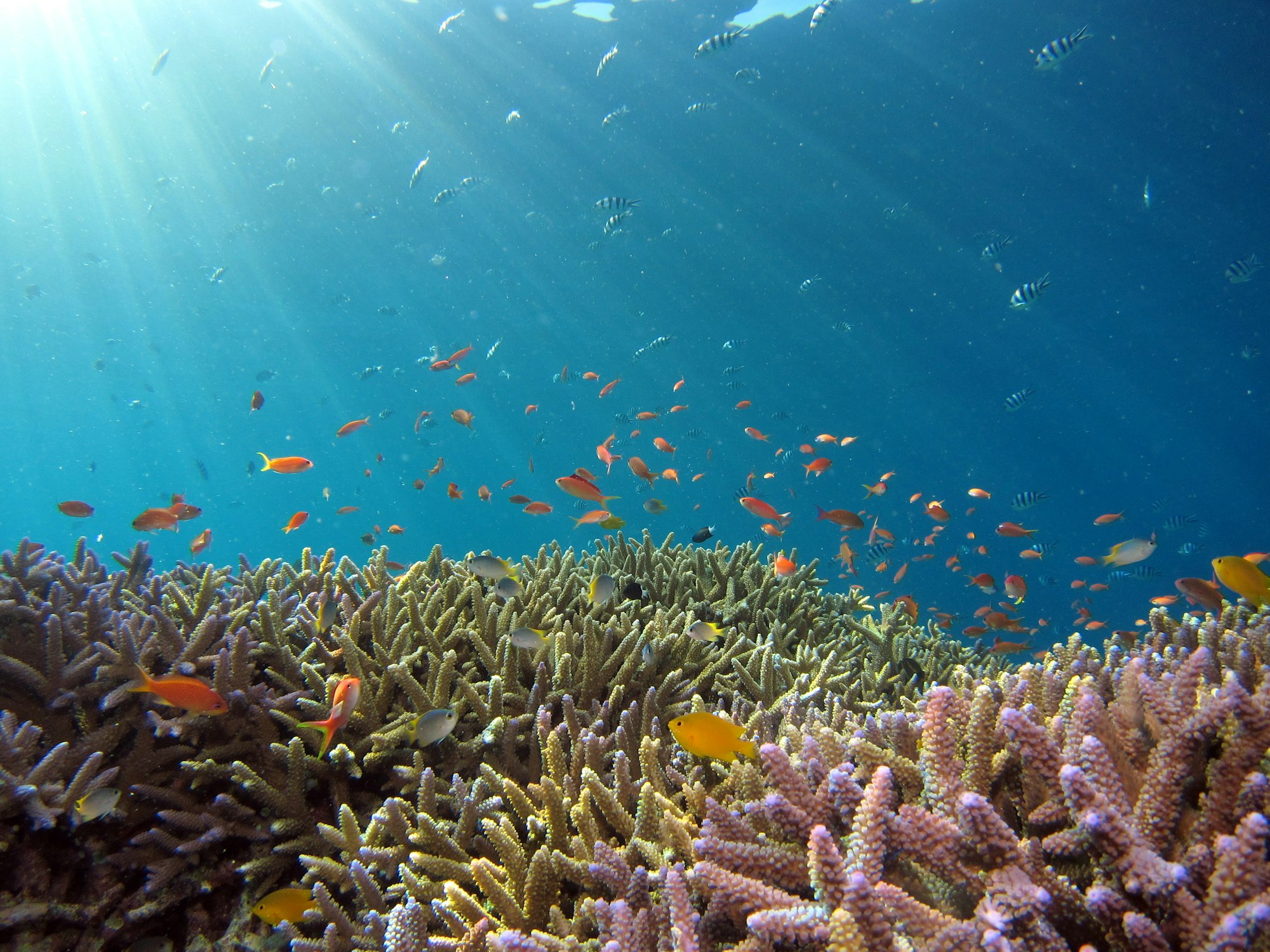
A Fury Shoals reef named “mother of the elder” — a reef complex with sandy channels, coral gardens, and the open-water clarity of the southern Egyptian offshore zone that places it in the same calibre as the more famous Fury Shoals destinations.
Overview
Um El Sheikh sits at approximately 24.31°N, 35.40°E in the Fury Shoals complex south of Marsa Alam. “Um el Sheikh” (أم الشيخ — “mother of the elder”) is a name pattern common in Egyptian geography, applied here to an offshore reef in one of Egypt’s best-preserved dive regions. The site’s position in the Fury Shoals means it shares the cluster’s characteristics: clear water, minimal dive pressure, and the pristine coral coverage that results from limited commercial traffic. The reef has the typical Fury Shoals structure — a main reef body with sandy passages and an outer slope.
Site Information
- Location: Fury Shoals, southern Egyptian Red Sea (~24.31°N, 35.40°E)
- Entry Type: Boat dive
- Site Type: Reef
- Difficulty Level: Intermediate
- Maximum Depth: 20 meters
- Typical Visibility: 20–30 meters
- Current: Mild to moderate
- Best Time: October to May
Marine Life
Grey reef sharks patrol the outer slope in the afternoon. Hawksbill turtles rest on the reef platform. The hard coral gardens — table corals and brain corals characteristic of the Fury Shoals — are in excellent condition. Schools of anthias and fusiliers cover the reef crest. Moray eels in the crevices. Sandy channel passages support blue-spotted stingrays and goby-shrimp pairs. Eagle rays are occasionally sighted on the outer slope.
Dive Profile
Begin at the outer slope at 12–18 metres and work progressively through the coral garden. Sandy channels provide natural navigation corridors through the reef. Ascend to the reef crest at 5–8 metres for the final dive section. Safety stop at 5 metres.
Entry and Exit
Extended day trip from Marsa Alam (70–90 minutes) or liveaboard. Giant stride entry. Combine with Siyal South, Farewell Reef, or other Fury Shoals sites for a comprehensive southern day. SMB before ascending.
Tips and Recommendations
- Slow movement through the sandy channels maximises macro discovery — goby-shrimp pairs reward patient searching
- The outer slope is most productive for sharks in the afternoon when current is running
- Combine with adjacent Fury Shoals sites to maximise the value of the long transit from Marsa Alam
Safety Considerations
Offshore position requires SMB on all ascents. Current on the outer slope should be monitored. Standard reef hazards. Remote enough for careful air management.
Photography
Sandy channel macro photography and outer slope wide-angle reef shots in clear water are the primary photographic opportunities. Undisturbed fish create closer-approach opportunities than mainstream sites.
Sources: Divezone - Red Sea, Dive the World - Egypt Red Sea, Red Sea Scuba Diving, PADI - Diving in Egypt. Last updated 2026-04-04.
Sea-surface temperature and wave height from Open-Meteo Marine (ERA5 reanalysis, monthly averages).
174 verified species observations (29 species) logged within ~11 km of this site between 1994 and 2026, from the Ocean Biodiversity Information System.
- Syngnathidae · Pipefishes
- Saurida gracilis · Slender Lizardfish
- Fowleria isostigma
- Sousa chinensis · Chinese white dolphin
- Doryrhamphus excisus · Bluestripe Pipefish
- Fowleria variegata
- Negaprion
- Tursiops aduncus · Indian ocean bottlenose dolphin
- Helcogramma obtusirostris
- Stenella attenuata · Pantropical spotted dolphin
- Enneapterygius obscurus
- Stenella longirostris · Spinner dolphin
Scientific survey records skew toward sampled taxa (molluscs, corals) and do not reflect what you are guaranteed to see on a dive.
Source: OBIS (obis.org), aggregated Darwin Core occurrence records.
Conditions change with the tide and the season. If you have dived this site, share what it was actually like — date, visibility, current, and what you saw. Real, recent reports from divers are exactly what this guide is built to collect.
Send a conditions report ›